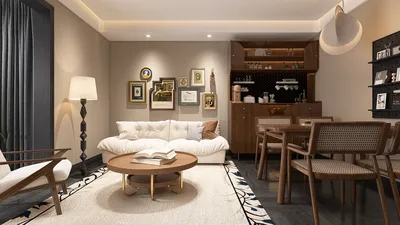


In recent years, contemporary wall panelling has seen a significant revival in living room aesthetics. Drawing from my extensive experience over the past decade across various sized spaces, I’ve discovered that a strategic application of wall panels can dramatically alter a room's atmosphere. This is particularly true for small areas, where innovative combinations of texture, color, and lighting can create an illusion of spaciousness while enhancing warmth. Today, I’m excited to share my top 10 modern wall panelling concepts for living rooms, enriched by my project insights and a hint of professional advice, including how tools like Homestyler can help visualize these ideas.
1. Sleek Vertical Slats
Reflection: I once updated a cozy apartment living room with narrow vertical wooden slats finished in a walnut hue — they effortlessly introduced height and a sense of coziness.
Advantages: Vertical elements naturally draw the eye upward, which can make ceilings look higher. As highlighted by Architectural Digest, they are a classic choice for contemporary interiors, especially those designed using Homestyler.
Drawback: If too many dark tones are employed, this can constrict the perception of space.
Suggestion: In smaller living spaces, prefer lighter wood stains to maintain a bright and open ambiance. For one project, I cleverly integrated this with minimalist storage solutions to optimize space without clutter.
2. Textured Fabric Wall Panels
Reflection: I enjoy incorporating upholstered wall panels for a soft and inviting atmosphere — this technique became apparent while designing a reading nook for a young couple.
Advantages: These panels enhance sound quality and provide a warm tactile experience, ideal for relaxation zones.
Drawback: Cleaning can be a challenge, making them less suitable for homes with pets or young children.
Cost Consideration: Opt for higher-quality fabrics with caution, as they can rapidly increase your budget.
3. Bold Geometric Patterns
Reflection: A client once desired a feature wall that balanced modernity and artistry. We utilized MDF panelling featuring diamond and hexagon designs in a deep matte blue.
Advantages: Geometric designs add visual intrigue and instantly serve as focal points in your living area.
Drawback: Such bold patterns can quickly become overwhelming if mixed with other designs in your decor.
Suggestion: Simplify furniture and accessories to allow the wall's artful nature to take center stage.
4. Natural Wood Warmth
Reflection: I've always had an affinity for raw oak panels, as they seamlessly connect indoor spaces with nature. A project in a city loft truly flourished after incorporating these panels behind the sofa.
Advantages: Natural wood is warm, classic, and adaptable, complementing a wide range of interior styles.
Drawback: Real wood can be expensive and demands regular maintenance.
Case Study: Pairing natural oak with an L-shaped sofa cultivates a cozy environment that feels firmly anchored.
5. Metallic Accents
Reflection: In a recent upscale condo project, we integrated slender brass details between panels — both subtle and remarkably elegant.
Advantages: Metallic elements reflect light beautifully and instantly raise the aesthetic of the space.
Drawback: They can appear overly extravagant if the surrounding decor doesn’t properly balance their shine.
Suggestion: Opt for warm metals like brass or bronze to create a softer, inviting glow.
6. Light-Reflective High Gloss Panels
Reflection: Using high gloss white panels in a narrow living room substantially enhanced light distribution — the transformation was impressive.
Advantages: These panels make compact areas feel expansive, bright, and inviting.
Drawback: Fingerprints and smudges tend to be conspicuous, necessitating more frequent cleaning.
Suggestion: Pair glossy panels with concealed storage or glass features for an airy, unified look.
7. Creative Mixed Materials
Reflection: One of my favorite projects combined reclaimed wood with matte black laminate panels for a juxtaposition of warmth and industrial flair.
Advantages: This approach adds complexity, texture, and a customized feel to your living area.
Drawback: If not carefully chosen, the materials can clash, creating a disjointed visual experience.
Suggestion: Maintain a consistent color scheme for visual coherence.
8. Acoustic Wood Panels
Reflection: For a musician client, incorporating slatted acoustic panels blended both functionality and aesthetic appeal — the sound quality improved significantly.
Advantages: They reduce echo, making these panels ideal for home theatres or for music enthusiasts, as supported by studies from Soundproofing Company highlighting their sound absorption capacity.
Drawback: These can often come with a steeper price point compared to standard wood panels.
Suggestion: They pair magnificently with integrated lighting designs for added drama.
9. Monochrome Minimalism
Reflection: I've converted white-on-white living rooms with discreet panelling to create depth and shadows without introducing additional hues.
Advantages: It's an elegant and timeless choice, perfect for modern, minimalist interiors.
Drawback: It may feel stark without the balance of softer textiles.
Cost Consideration: Simple MDF panels keep expenses manageable while still elevating the overall look.
10. Backlit Panels
Reflection: Integrating LED backlighting behind panels in a penthouse living room crafted a cinematic ambiance ideal for evening unwinding.
Advantages: This feature adds drama, accentuates textures, and serves as an excellent source of ambient lighting.
Drawback: Installation is more complex, and LED replacements may be necessary over time.
Suggestion: Utilize warm white LEDs for a comforting atmosphere over harsher blue tones.
Conclusion
From my observations, both small and large living rooms can gain immensely from thoughtfully designed wall panelling. Limitations of space do not restrict creativity; instead, they call for more thoughtful, innovative decisions. The appropriate choice in wall panels can transform light, acoustics, and the overall tone of any room. What modern wall panelling style from these 10 would you be excited to implement in your living room with the aid of Homestyler?
FAQ
1. What is the ideal wall panelling style for compact living rooms?
Opt for vertical slats and high gloss panels that enhance verticality and reflect light effectively.
2. Are wood panels still in vogue?
Yes, both natural and acoustic wood panels remain timelessly popular, as per insights from House & Garden.
3. What is the typical expense for living room wall panelling?
Prices fluctuate between $10 to $50 per square foot based on material choice, with solid wood and acoustic types being on the pricier end.
4. Can wall panelling enhance sound quality?
Absolutely; acoustic wood or upholstered panels can substantially mitigate echo for a more enjoyable atmosphere.
5. How manageable is wall panelling in terms of maintenance?
Most options require minimal upkeep, but high gloss and fabric versions may demand more regular cleaning.
6. Is it feasible to mix materials in wall panelling designs?
Certainly, as long as colors and textures harmonize to create a unified aesthetic.
7. How does lighting influence the appearance of wall panelling?
Certainly — backlit panels and metallic features highly benefit from effective lighting design.
8. Where can I find more inspiration for living room designs?
Explore detailed case studies and AI-generated interior designs for innovative ideas and visual examples.
Looking to transform your space? Homestyler is your go-to online home design platform! With its easy-to-use design tool, stunning 3D renderings, and a wealth of DIY video tutorials, you can effortlessly create your dream home. Let your creativity shine!
Design Now for FREE
































