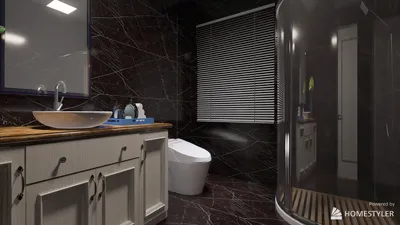


Once, I placed a fern on a towel radiator due to a client's belief that plants thrive in warmth. Unfortunately, the fern quickly crisped up, leading to an apology from the client. This experience taught me that bathrooms can be unpredictable microclimates, playing a crucial role in the health of plants. Small spaces encourage innovative solutions, and as a designer, I genuinely enjoy transforming compact bathrooms into serene, green retreats with the help of tools like Homestyler.
1. Snake Plant (Sansevieria) — a low-maintenance star
I highly recommend the snake plant for its ability to survive in low-light conditions and tolerate irregular watering, making it ideal for bathrooms that lack natural sunlight. Its upright growth helps save space on narrow shelves, and it even acts as an air purifier. The only downside is that overwatering is detrimental, so ensuring proper drainage or using a fast-draining soil mix is essential.
save pin
2. Pothos — a resilient climber
Pothos is a favorite of mine for shelves or hanging pots as it flourishes in humid environments and can recover from low lighting. I often guide a trailing pothos along a mirror frame to introduce height without cluttering countertops. Be cautious of splashes from the sink that can leave mineral spots on the leaves; wiping them down occasionally is beneficial.
save pin
3. ZZ Plant — hardy and neat
The ZZ plant is nearly indestructible and thrives in dimly lit bathrooms. With its waxy leaves, it withstands humidity well and doesn’t require frequent repotting, making it suitable for small pots on windowsills or even beside the toilet. However, its slow growth means that if you're seeking lush vegetation quickly, you might consider multiple pots.
save pin
4. Boston Fern — a classic for humidity
For bathrooms with steamy conditions, a Boston fern delivers lush fronds and a soothing spa-like atmosphere. I've utilized them in hanging baskets above bathtubs to create a mini oasis. Although they can be a bit finicky regarding drainage and may need occasional misting in dry winters, they perform well in spaces with regular showers.
save pin
5. Spider Plant — versatile and attractive
Spider plants thrive in humid areas, produce charming offshoots, and are perfect for corner shelves or hanging pots. I often use smaller spider plants to soften harsh tile edges. However, they do prefer bright, indirect light for optimal variegation, so positioning them near a frosted window can be advantageous.
save pin
Placement & care strategies I employ
Organizing plants based on their light and water requirements can prevent conflicting care routines. For instance, grouping my pothos and spider plant together is ideal since they enjoy similar conditions. Utilizing saucers and adjustable pot stands can help avoid water damage on vanities. When planning layouts, I often draft a simple plan to check shelf heights before drilling, saving time and effort, particularly in rental spaces. For efficient layout mockups, I find it useful to leverage the 3D floor planner tool offered by Homestyler.
save pin
Budget & sourcing tips
Acquiring small plants doesn't have to strain your budget; starting from nurseries or propagating from friends is highly effective. I typically allocate funds for one statement plant and two smaller fillers to achieve immediate visual impact without overspending. Keep in mind that some plants may need repotting within a year, so it's wise to consider ongoing costs.
save pin
Common pitfalls to avoid
Don't make the mistake of cramming plants into tiny pots lacking drainage — I’ve learned from that experience. Steer clear of placing delicate variegated plants in overly dim corners unless you're supplementing with a grow light. Additionally, remember to rotate plants periodically to ensure even growth on all sides.
save pin
FAQ
Q: What small bathroom plant thrives in windowless spaces?
A: Both the snake plant and ZZ plant excel in windowless bathrooms due to their low light tolerance and minimal watering requirements.
Q: How frequently should I water bathroom plants?
A: It varies by species and humidity levels; most small bathroom plants generally require watering every 1–3 weeks. Always check the soil moisture to avoid overwatering.
Q: Can bathroom humidity substitute for watering?
A: While humidity aids foliage health, it cannot replace soil moisture; watering the roots remains essential when the top inch of soil feels dry.
Q: Are bathroom plants pet-safe?
A: Some common bathroom plants, like pothos and snake plant, can be toxic to pets. Always verify plant toxicity before introducing any to a pet-friendly home.
Q: Do plants help prevent mold in bathrooms?
A: Plants alone do not prevent mold; effective ventilation and ensuring dry surfaces are crucial. While certain plants can slightly enhance air quality, they're not a solution for mold issues.
Q: What type of soil is ideal for small bathroom pots?
A: A well-draining potting mix with perlite or pumice is recommended; proper drainage prevents root rot in humid conditions.
Q: Can I use grow lights in a compact bathroom?
A: Absolutely — compact LED grow lights are effective and energy-efficient choices for dimly lit bathrooms.
Q: What is the best way to quickly visualize plant placements for a small bathroom?
A: Online resources like a free floor plan creator facilitate the visualization of shelf heights and plant arrangements before any installations.
save pin
Homestyler is your go-to platform for transforming your home design dreams into reality. With its user-friendly online design tool, stunning 3D renderings, and a wealth of DIY video tutorials, you’ll find everything you need to create and visualize your perfect space effortlessly.
تصميم الآن مجانا
































