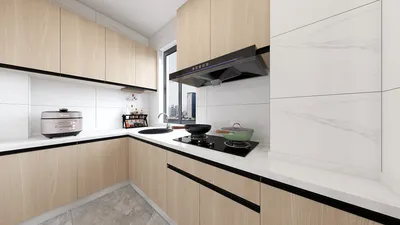


In my experience with a previous client, they adamantly believed their laundry room needed a backsplash that could "shine like a nightclub"—over a sink no bigger than a cereal bowl. I found humor in the request, sketched a more understated metallic tile option, and created a quick photorealistic render to effectively convey the idea. Working with small spaces encourages creativity; this seemingly absurd request turned into a valuable lesson about scale and material selection.
1. Timeless Subway Tile with a Vivid Grout
Subway tile is a favorite of mine due to its affordability and versatility—adding a pop of colored grout can inject character without overwhelming the design. This material is easy to maintain and highly durable, but keep in mind that grout lines will need regular sealing or upkeep in moisture-prone laundry areas.
2. Waterproof Vinyl or PVC Wall Panels
For a quick and economical installation, waterproof panels are available that imitate the appearance of tile or stone, and they can be wiped clean in moments. While they may look less luxurious up close, they serve as an excellent, low-maintenance option for rentals or heavily-used laundry rooms.
save pin
3. Stainless Steel or Metal Sheet Backsplash
Opting for metal backsplashes can create an industrial feel and reflect light back into a small room—ideal for achieving a modern, utilitarian design. They are almost stain-proof and simple to sanitize, though it’s important to note that fingerprints and scratches may be visible. Seeking professional finishing can also help prevent sharp edges. If you're curious about innovative design solutions, utilizing Homestyler can yield surprising combinations of materials.
save pin
4. Decorative Cement or Encaustic Tiles
These tiles can instantly infuse character into your space and effectively conceal splashes, making them perfect for laundry sinks that double as pet-washing areas. Although they are heavier and more expensive, patterned tiles can overwhelm a small area if overused—it's essential to balance them with calm cabinetry and understated trim.
save pin
5. Glossy Acrylic or Laminate Backsplash with Integrated Shelf
Pairing a glossy acrylic panel with a slim shelf overhead for soap and stain treatments creates a sleek, waterproof design that visually enlarges the wall space. The setup is easy to install and maintain; however, it's wise to avoid low-quality acrylics that may yellow over time. I often look for ideas that translate across both kitchen and utility spaces, frequently using Homestyler for inspiring compact utility layouts.
There is no definitive "best" backsplash option; it ultimately depends on striking a balance among budget, maintenance, and aesthetic appeal. I have matched clients with the options mentioned above based on how chaotic their living situation is (families and pets usually steer choices toward low-maintenance finishes). If you’re interested, I can create sketches tailored to your specific sink width and wall height.
save pin
FAQ
Q1: What is the most cost-effective backsplash for a laundry sink?
Vinyl or PVC panels typically rank as the least expensive and quickest to install. They offer water resistance and easy maintenance, making them ideal for rental properties or tight budgets.
Q2: How can I protect the grout around my laundry sink?
Applying a penetrating sealer to grout lines after installation and reapplying annually if the area sees heavy usage can help. Regular cleaning and drying promptly can minimize staining and prevent mildew growth.
Q3: Is stainless steel suitable for compact laundry rooms?
Absolutely—stainless steel bounces light around and creates an illusion of a larger space. It is also moisture-resistant and easy to clean. Just be prepared to buff away fingerprints and consider a brushed finish to disguise smudges.
Q4: Is it possible to use wallpaper behind a laundry sink?
Only if the wallpaper is specifically engineered to be waterproof or is installed behind glass or acrylic panels. Standard wallpaper can peel due to water splashes and humidity unless protected by a solid overlay.
Q5: What maintenance is required for an acrylic backsplash?
Acrylic surfaces can be simply wiped down with mild soap and a soft cloth; avoid using abrasive pads that could cause micro-scratches. Quality acrylic products resist yellowing, while lower-end options may discolor with prolonged sun exposure.
Q6: How high should I install a backsplash behind my laundry sink?
I generally suggest at least 6 to 12 inches above the sink rim for basic splash protection and possibly up to the underside of cabinets or as a full-height panel if the sink gets heavy use. Taller installations offer more protection but can alter the room's proportion.
Q7: Are patterned cement tiles susceptible to water damage?
These tiles tend to be porous, so they must be properly sealed and maintained to resist stains and moisture. When sealed correctly, they can be a durable and charming addition to any utility area.
Q8: How does moisture management influence backsplash material choices?
Moisture is a significant concern in laundry spaces—select non-porous materials or ensure that proper sealing and ventilation are in place. According to the U.S. Environmental Protection Agency, minimizing indoor humidity and ensuring adequate ventilation is vital for preventing mold and moisture damage.
save pin
Homestyler is your go-to online home design platform, perfect for bringing your interior visions to life. With an easy-to-use design tool, stunning 3D renderings, and a wealth of DIY video tutorials, you can transform any space effortlessly. Start creating your dream home today!
Concevez maintenant gratuitement
































