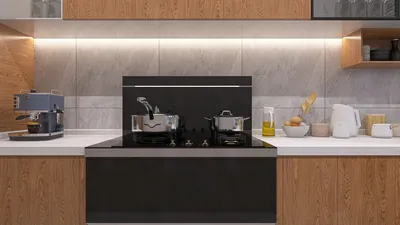


I once made a mistake mixing paint swatches for a client, nearly turning a petite galley kitchen into a neon coral spectacle. This taught me an invaluable lesson: in small spaces, bold color choices require a foolproof plan. That fortunate error led me to conduct a thorough kitchen color study, examining what truly looks appealing on walls compared to cabinets. Small areas compel innovative thinking; they reward clever color schemes more effectively than sheer square footage ever could.
1. Warm Neutrals with a Twist
I have a soft spot for warm neutrals — greige, soft taupe, and inviting whites — as they exude a timeless charm and warmth without drawing focus away from tiles or hardware. Their versatility is a significant benefit: these hues lend a cohesive look to mismatched appliances and beautifully complement wooden accents. However, they can seem bland when everything appears flat; therefore, incorporating texture, like a matte plaster finish or a textured backsplash, can enhance the room's character.
save pin
2. Moody Jewel Tones for Depth
Embrace deep shades like emerald or navy on your small kitchen walls — when used thoughtfully, they establish a luxurious backdrop that highlights metallics. The downside is evident; darker hues can make a room feel smaller. However, pairing them with reflective surfaces, open shelving, or under-cabinet lighting can prevent the area from becoming too enclosed. I've applied navy to an accent wall in a compact kitchen, and the clients adored the resulting dramatic and cozy ambiance.
save pin
3. Two-Tone Walls to Add Height
Implementing a two-tone design — lighter shades above and darker ones below — can create an illusion of increased ceiling height and added structure. I typically suggest a 60/40 proportion and opt for a durable, washable paint for the lower area, where spills might occur. This tactic is not only visually engaging and forgiving of wear, but it also necessitates meticulous color matching to ensure the line between the two tones appears deliberate. To swiftly experiment with combinations, I sometimes create a mockup by utilizing the Homestyler application, helping to avoid unexpected surprises.
save pin
4. Pastel Pops for Brightness
Soft shades like mint, pale blue, or butter yellow can enliven a tight kitchen, imparting an airy and cheerful vibe without veering into childishness, especially when balanced with neutral countertops and warm metals. The appeal here lies in the immediate freshness and mood enhancement; however, the downside is that lighter tones may show stains or yellowing over time. Therefore, choosing a robust finish and allowing a small sample patch on the wall for a few weeks before finalizing your choice is crucial. On a budget? Consider painting the walls while sourcing thrifted or repurposed hardware to elevate those pastel hues into a sophisticated look.
save pin
5. Bold Backsplash or Accent Wall Instead of Full Paint
If you find yourself indecisive or renting, consider treating the backsplash or a singular wall as your statement color area. Patterns in ceramic, encaustic tiles, or a mural can mimic the effect of a painted wall without the commitment to the entire space. This option is often more budget-friendly and less permanent than repainting the whole kitchen, although tiling can be intricate and requires a skilled installer. To help clients envision these striking designs, I frequently suggest using Homestyler for visualizing wall colors, saving a lot of potential regret down the line.
save pin
FAQ
Q1: What kitchen wall color makes the space look bigger?
I usually advocate for light, warm neutrals or very pale pastels as they reflect light and minimize contrast. Pairing them with reflective backsplashes or under-cabinet lighting maximizes this effect.
Q2: Are dark colors a bad idea for small kitchens?
Not at all — dark colors can add depth and drama if used as accents, balanced with lighter surfaces and effective lighting. The challenge lies in ensuring the space remains airy, so it’s beneficial to incorporate mirrors or gleaming elements.
Q3: How durable should kitchen wall paint be?
Opt for a washable, scrubbable finish like satin or semi-gloss for areas of heavy use; eggshell may work in dining spaces but is harder to clean near food prep areas. Choosing durable paint can save on repainting expenses over time.
Q4: Can I use the same color on walls and cabinets?
Yes — a uniform color can foster a sense of cohesion, especially in open-concept designs. However, consider varying sheens or finishes to visually differentiate surfaces. In smaller kitchens, a monochromatic scheme can often create an expansive feel throughout the space.
Q5: What color trends are designers following?
Pantone and other authorities on color trends emphasize richer, more expressive shades alongside soothing neutrals; for instance, the Pantone Color Institute releases seasonal insights that guide many designers (check out pantone.com). While trends are inspiring, I prioritize choices that align with your specific light and lifestyle needs.
Q6: How do I test paint colors before committing?
Always paint larger swatches on various walls and assess them under different lighting conditions throughout the day. Small samples can deceive; it’s wise to live with larger patches for at least a week before purchasing full quantities of paint.
Q7: Is it better to paint or tile for an accent?
Painting is more affordable and simpler to change; tile is sturdier and adds dimension. If you desire the appearance of tile without the expense, consider peel-and-stick options or decorative stencils for a temporary yet striking feature.
Q8: How much should I budget for repainting kitchen walls?
Costs can vary by location and the extent of preparatory work needed, but anticipate an expense for paint, primer, and basic prep even for minor jobs. If wallpaper needs to be removed or extensive repairs are required, factor additional costs. I typically suggest setting aside a contingency of 10-20% to accommodate any surprises.
save pin
Homestyler is your ultimate home design companion! With its user-friendly online design tool, stunning 3D renderings, and a wealth of design projects and DIY video tutorials, you can easily transform your vision into reality. Start creating your dream space today!
Design Now for FREE
































