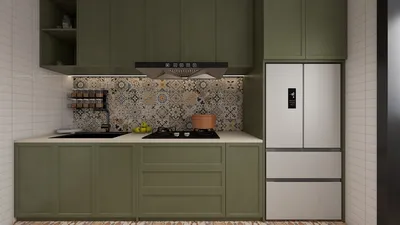


In the late hours of the night, I once found myself painting an entire kitchen in eggshell white at 2 a.m. because a client changed their mind. This experience taught me that proper preparation and sheen are often more crucial than the actual color choice. It’s particularly challenging with small kitchens; the wrong paint can quickly make them seem dull, whereas the right selection can offer a refreshing feel reminiscent of a mini renovation. In this article, I will outline five effective design ideas for selecting the best paint for kitchen cabinets in 2024, drawing on a decade of insights from both my successes and failures.
1. Durable Satin for Active Family Kitchens
For families looking for resilience without excessive gloss, I suggest satin finishes. Satin is superior at concealing fingerprints compared to high gloss and is much easier to clean than flat options. It applies smoothly, dries nicely, and harmonizes beautifully with warm neutrals or vibrant blues. However, be mindful that satin can showcase imperfections in preparation, so proper sanding and priming are vital. When applied correctly, it stands the test of time even in busier homes.
save pin
2. Semi-Gloss for Low Maintenance and Maximum Brightness
Semi-gloss paint remains my preferred choice for cabinets situated near water sources and cooking areas due to its moisture-resistant properties and ease of cleaning. This finish reflects light remarkably well, making smaller kitchens appear brighter, and pairs nicely with contrasting countertops for a fresh look. A potential drawback is that semi-gloss can highlight application marks, so I often advise using a spray application or a carefully executed brush technique for the final coat. To visualize color within your space, I sometimes create 3D renderings using an interior design tool like Homestyler, which allows for a closer look at how different sheens adapt under various lighting conditions.
save pin
3. Matte with Durable Topcoat for a Soft, Contemporary Aesthetic
For those desiring a chic and modern ambiance without shine, matte finishes are a wonderful option — especially in deep greens, subdued blacks, or greige shades. Since pure matte is not very resistant to stains, I usually recommend adding an ultra-matte clear topcoat that enhances durability while maintaining a soft appearance. While it does require a bit more upkeep, the tranquil, boutique-like feel it creates makes the effort worthwhile.
save pin
4. High-Performance Alkyd or Hybrid for a Professional Finish
When it comes to painting inset or shaker-style cabinets and aiming for a factory-like smooth finish, alkyd (oil-based) or modern waterborne alkyds are excellent choices. These options level beautifully and stand up against dings and chips better than traditional latex paints. However, keep in mind that they have longer drying times and heavier fumes during application, necessitating good ventilation and sometimes overnight drying periods. In one project I supervised, choosing this type of paint saved my client numerous touch-up jobs and kept the color vibrant for years to come.
save pin
5. Two-Tone Finishes to Visually Expand Smaller Spaces
Using lighter shades for upper cabinets and darker colors for lower ones is a strategy I often employ to create a sense of space in compact kitchens. This technique not only helps visually lift the upper section of the room but also anchors the space effectively. It's an economical approach that adds visual interest; however, balancing undertones is essential for ensuring the two finishes complement each other seamlessly. To aid in layout planning and color coordination, utilizing a kitchen layout planner like Homestyler can be incredibly helpful to test arrangements before final decisions are made.
save pin
Tips for Success:
Always strip or thoroughly degloss before painting, apply a high-adhesion primer, and consider using a spray application for the best finish. When selecting a color, testing it on a full cabinet door is crucial, as lighting can dramatically change its appearance. Budget note: investing in higher-quality paints and primers may come with a higher upfront cost but will reduce maintenance and the need for frequent recoats later on. For a 3D layout or paint preview, I frequently dive into a 3D floor planner to prevent any unexpected surprises.
save pin
FAQ
Q1: What is the most durable paint finish for kitchen cabinets? A1: Semi-gloss and satin are both excellent for their durability and ease of cleaning, while alkyd or hybrid paints provide extra resilience for highly trafficked cabinets.
Q2: Is it acceptable to use standard wall paint on cabinets? A2: While it is possible, cabinet-specific paints and primers are advisable as they offer better adhesion and resistance to wear; cabinetry and walls face different types of stress.
Q3: Is spray painting superior to brushing for cabinets? A3: Spray painting achieves the smoothest, showroom-quality finish but requires more meticulous preparation; alternatively, a high-quality brush or foam roller can yield outstanding results for DIY enthusiasts.
Q4: How many layers of paint are necessary for cabinets? A4: Generally, two topcoats over a solid primer are enough, though kitchens with heavy usage might benefit from a third coat or a resilient clear topcoat.
Q5: What is the recommended wait time before using newly painted cabinets? A5: Follow the curing times provided by the manufacturer, which typically range from 24 to 72 hours for handling and up to a week for full curing, particularly longer for oil-based products.
Q6: Which paint brands do professionals suggest? A6: Many experts prefer premium brands that offer cabinet-grade or waterborne alkyd formulations; it's always best to consult technical data sheets for scrub resistance and VOC levels. For authoritative advice concerning paints and finishes, refer to the guidelines provided by the EPA and manufacturers’ technical documents, such as the EPA’s information on VOCs and indoor air quality.
Q7: Are matte finishes difficult to maintain? A7: Pure matte can exhibit marks more readily and may necessitate gentle cleaning solutions; however, using an ultra-matte topcoat will enhance durability while keeping the finish attractive.
Q8: How can I select a color that remains timeless? A8: Opt for classic neutrals for resale value, or consider a timeless deep color for added character. Ensure to test full-size samples under your kitchen’s specific lighting prior to making a decision.
save pin
Discover the ease of home design with Homestyler! This user-friendly platform offers an intuitive online design tool, stunning 3D renderings, and a wealth of design projects and DIY video tutorials. Bring your vision to life and transform your space effortlessly!
Design Now for FREE
































