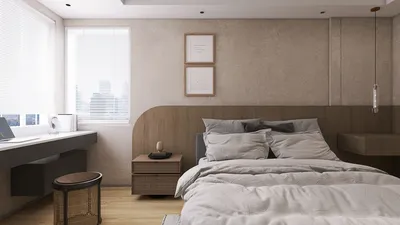


With over ten years in the realm of small-space and residential design, I've discovered that crafting children’s rooms is both an exhilarating and formidable endeavor. Current trends in kids’ interiors focus on vibrant, multifunctional environments that ignite creativity. I firmly believe that small spaces, such as children's bedrooms, can foster greater imagination. Here, I share my ten most cherished curtain ideas for kids' rooms, intertwining personal insights with expert suggestions while incorporating the innovative Homestyler design tool.
1. Minimalist Pastel Drapes
My Perspective: During a project for a compact nursery, I chose soft blush pastel drapes that provided a gentle backdrop for both play and rest. By minimizing visual clutter, the toys and artwork truly shone.
Advantages: Establishes a serene visual aesthetic, complements Scandinavian-themed décor for children, and pairs effortlessly with pastel wall art.
Drawbacks: More prone to showing stains; not the best option for children who frequently engage in messy activities.
Suggestion: Opt for machine-washable fabrics for easier upkeep.
2. Sheer Curtains with Fairy Lights
My Experience: In my daughter’s space, I hung white sheer curtains interwoven with warm fairy lights, which transformed her bedtime view into something magical.
Benefits: Softens the incoming light, adds a whimsical flair, and can serve as a charming nightlight alternative.
Drawbacks: May not be suitable for toddlers who might tug at the lights.
Consider that minimalist kitchen storage designs often incorporate similar layering principles that can be applied to fabrics and textures.
3. Blackout Curtains with Playful Patterns
My Experience: For a client with twins who had contrasting sleep schedules, I implemented patterned blackout curtains adorned with constellations—merging aesthetics with practicality.
Advantages: Effectively blocks early morning sun, a factor validated by the Sleep Foundation as beneficial for children’s sleep routines; the playful patterns enhance the decor immensely.
Drawbacks: Heavier materials may create a more confined feeling in small rooms if not balanced with lighter hues.
4. Layered Roman Shades and Sheers
My Perspective: In a narrow bedroom, using Roman shades over sheer panels created the perfect blend of structure and softness.
Advantages: Provides adaptable privacy and light management; perfect for rooms with multiple functions.
Drawbacks: Custom-making can be pricier; DIY installation might require assistance for best results.
5. Themed Printed Curtains
My Experience: From dinosaur motifs to watercolor rainbows, I’ve witnessed how children’s faces light up at the sight of their beloved themes.
Advantages: Infuses immediate character into the room; inspires creativity and storytelling opportunities for children.
Drawbacks: Children grow out of themes quickly; staying prepared for updates every few years is essential.
Budget Tip: Consider themed tie-backs that allow for easy theme changes without the need to replace the entire curtain.
6. Two-Tone Color Blocking
My Experience: A blue and green curtain split introduced a sense of height in a low-ceiling children’s room I revamped last year.
Advantages: Brings energy and visual appeal; can harmonize mismatched hues throughout the room.
Drawbacks: Precision in sewing is vital for a neat appearance; careless execution can detract from the overall look.
Using glass backsplashes that enhance kitchen openness suggests a design approach that optimizes vertical space through reflective surfaces.
7. Floor-to-Ceiling Panels
My Experience: By installing ceiling-mounted tracks for long panels, I created an illusion of grandeur in a compact room.
Advantages: Instills a sense of height, conceals uneven walls, and offers comprehensive coverage for windows or play areas.
Drawbacks: May not be suitable for very young children who might pull down the fabric.
8. Tie-Up Cafe Curtains
My Take: In a Montessori-inspired play area, half-height cafe curtains provided privacy while allowing light to stream in high above.
Advantages: Offers privacy for children without sacrificing daylight; easy for home sewing projects.
Drawbacks: May not effectively block bright sunlight during nap times.
9. Semi-Sheer Linen Drapes
My Experience: A coastal project called for breezy linen that danced with the ocean breeze, striking a balance between functionality and aesthetics.
Advantages: Natural, breathable texture; beautifully diffuses light.
Drawbacks: Prone to wrinkling; may necessitate more effort to maintain a polished appearance.
The open flow of an L-shaped design can enhance counter space, akin to optimizing space through thoughtful layouts.
10. Recycled Fabric DIY Curtains
My Experience: Transforming old bedsheets into vibrant patchwork curtains for a play area resonated with children as they recognized familiar patterns.
Pros: Environmentally friendly, budget-friendly, and offers full customization.
Cons: Durability may be an issue; patterns can appear chaotic if not balanced correctly.
Conclusion
Designing small kids' spaces should not be seen as a limitation; rather, it encourages us to be innovative, selecting curtains that provide both functionality and visual appeal. Based on insights from the American Academy of Pediatrics, creating a soothing atmosphere significantly enhances children's sleep quality. Which of these ten kids room curtain ideas will you implement first, perhaps using Homestyler for visual inspiration?
FAQ
1. What’s the best fabric for kids room curtains?
Cotton and polyester blends are excellent choices—durable, washable, and available in a myriad of designs.
2. Are blackout curtains suitable for children?
Absolutely, particularly for children sensitive to light; as noted by the Sleep Foundation, they can enhance sleep quality.
3. How do I select safe curtains for toddlers?
Avoid long cords or beaded chains; opt for designs that are cordless or operated by a wand.
4. Can I mix patterns in kids curtains?
Definitely—just limit the color palette to two or three to prevent visual overload.
5. Are sheer curtains practical for a playroom?
Yes, but consider pairing them with blinds or shades for privacy during nap times.
6. What curtain length works best in a play area?
Floor-grazing panels appear elegant, though shorter options may be safer for active kiddos.
7. How often should I refresh kids curtains?
Typically every three to five years, or sooner if damage occurs or your child’s interests evolve.
8. Can curtains assist with soundproofing a kids room?
Heavier materials like velvet can somewhat diminish noise, but for effective soundproofing, additional treatments are necessary.
What began as an Autodesk innovation has evolved into a design platform used by more than 18 million people around the globe. Homestyler combines powerful rendering, an intuitive editor, and a vast furniture library to help you turn inspiration into photorealistic designs — whether you're redesigning a single room or planning an entire home.
Homestyler is your go-to online home design platform! With its user-friendly design tool, stunning 3D renderings, and a wealth of DIY video tutorials, you can easily create and visualize your dream spaces. Transform your home design ideas into reality today!
Design Now for FREE
































