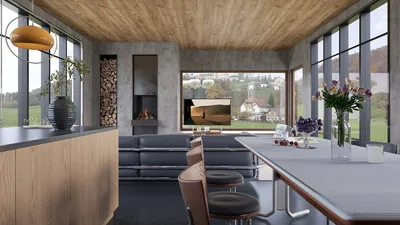


During a late-night DIY project, I once mistakenly applied reflective tint to the incorrect side of the glass. My client humorously dubbed it a ‘modern art experiment,’ leading me to understand the importance of measuring carefully. This experience highlighted a crucial lesson: in compact spaces, making wise choices becomes imperative. Selecting the appropriate window film can transform a small living area, enhancing its tranquility, comfort, and privacy. To visualize potential changes before diving in, consider using a room mockup with tools like Homestyler.
1. Static-cling frosted film — instant privacy, adhesive-free
I really appreciate static-cling frosted films for bathrooms and side windows at entrances, as they are forgiving in terms of measurement and allow easy repositioning. They provide daytime privacy and diffuse harsh sunlight without eliminating brightness; however, be cautious of peeling at the edges in humid areas, and pets might find them an intriguing toy.
save pin
2. Reflective solar film — reduce glare and cooling costs
For windows facing south or west, my preferred choice is reflective solar tint, which significantly decreases glare and minimizes heat gain. This type of film reduces sun-bleaching on your furniture and is budget-friendly for DIY enthusiasts, requiring only simple squeegee techniques. However, keep in mind that high reflectivity can impact your view during dusk, and some neighbors might notice the mirrored effect from outside.
save pin
3. Ceramic/infrared-blocking film — performance on a budget
Ceramic films effectively prevent heat without making your windows look like mirrors. These are my recommendation when energy savings and color accuracy are priorities. Although they are more expensive and may need professional cutting, an experienced DIYer can manage the installation, providing a consistent comfort level as the reward.
save pin
4. Decorative patterned film — adding flair
Decorative films (including geometric designs, faux stained glass, or soft textures) can inject personality into rented spaces and cover up unsightly glass edges. They are low-cost and easily changeable, but intricate patterns may require careful alignment and can slightly darken the room.
save pin
5. One-way/privacy mirror film — privacy during the day, tricky at night
For street-facing windows necessitating daytime privacy, one-way mirror film is highly effective; I applied it in a small studio, significantly reducing street noise. Keep in mind it reverses at night when interior lighting is on, so pairing it with curtains is advisable for round-the-clock privacy. Also, practice your installation on a spare pane to perfect the technique.
save pin
Tips 1:
Always measure carefully, keep a spray bottle with soapy water handy, and use a rigid squeegee and a sharp blade. If you're unsure about opacity, purchase a small sample pack or test different shades in various rooms before committing to an entire window treatment. In terms of cost: static and decorative films are typically under $30 per window, while solar films fall in the mid-range, and ceramic options are pricier but promise the best long-term comfort.
save pin
FAQ
Q1: What is the best DIY window tint for privacy?
Static-cling frosted film serves as the simplest and most affordable privacy option. It’s easy to remove, allows light in, and can be replaced without any tools.
Q2: Can window tint help reduce energy costs?
Absolutely—solar control films are effective at reducing solar heat gain and can lower your cooling expenses during warmer months. The U.S. Department of Energy states that window films can be a cost-efficient retrofitting solution to enhance energy efficiency (check out energy.gov for more information).
Q3: Is DIY window tinting difficult?
Basic films can be easy to work with if you have patience, a spray bottle, and a squeegee. Complicated cuts or larger panes may benefit from an extra set of hands. Practice on a scrap piece to avoid bubbles and misaligned cuts.
Q4: Will tint damage my window glass?
When applied correctly, films should not harm modern glass; however, older or damaged seals might trap moisture and create problems. Avoid using aggressive adhesive films on historic or single-pane windows without consulting a professional.
Q5: Which film provides the best UV protection?
Ceramic and high-quality solar films block heat and up to 99% of UV rays, which helps in safeguarding furniture and fabrics. Look for products specifying UV rejection rates on the package.
Q6: Can I remove the tint later if needed?
Definitely—static films can be easily peeled off, and many adhesive films can be removed using heat and adhesive removers; however, older adhesive residues may require more effort. Make sure to test a small corner and follow removal guides for optimal results.
Q7: Are there safety or code considerations to keep in mind?
Most residential tints are acceptable, but certain mirror films may be restricted in specific HOAs or historic districts. Always check your local regulations before installing highly reflective films on street-visible windows.
Q8: Should I choose DIY or hire a professional installer?
If you're dealing with straightforward rectangular panes and have some patience, DIY can save you money. For larger windows, curved glass, or advanced ceramic films, opting for professionals ensures warranty coverage and precision. The International Window Film Association can be a trusted source for product details and professional case studies (visit https://www.iwfa.com for more information).
save pin
Homestyler is your ultimate home design companion! With its user-friendly online design tool, stunning 3D renderings, and a wealth of DIY video tutorials, you can easily create and visualize your dream spaces. Start your design journey today and transform your home effortlessly!
Zaprojektuj teraz za darmo
































