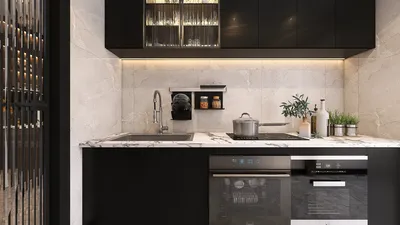


In one memorable project, a client was adamant that their kitchen lighting should resemble a spaceship cockpit, complete with shiny blue accents. While it was difficult to suppress a chuckle, I ended up creating a simple fabric diffuser that minimized glare while maintaining that cool, futuristic vibe. This experience highlighted the transformative power of small design elements in altering a room's ambiance. To visualize your ideas before diving into material cuts, consider creating a quick ceiling mockup to gauge scale accurately.
1. Fabric Diffuser Panel
I enjoy using sheer fabric stretched over a lightweight frame to diffuse harsh fluorescent lighting — it’s budget-friendly, washable, and emits a warm, inviting glow. The benefit is an instant boost in comfort and the flexibility to swap colors with the seasons; however, it's crucial to keep it away from direct heat sources and to secure it safely.
2. Painted Acrylic Panel
Using spray-painted translucent acrylic is one of my preferred methods for achieving a sleek, modern appearance that still diffuses harsh lighting. It’s robust and easy to clean, but due to its weight, it requires precise cutting; pro tip: opt for slightly larger sheets and trim them down gradually.
save pin
3. Frosted Contact or Vinyl Overlay
When time is limited, I turn to frosted contact film — it adheres directly to fluorescent lights or acrylic, taming glare in an instant. It's very cost-effective and easily reversible, although it may develop bubbles if not applied correctly; to provide clients with a refined preview, I utilize Homestyler to create photorealistic renders that demonstrate how various finishes will look under light.
save pin
4. Upcycled Perforated Metal or Laser-Cut Wood
For those seeking an industrial or warm Scandinavian aesthetic, I’ve crafted covers using painted perforated metal or laser-cut wood. These options create fascinating shadows and lend a custom feel to any space; however, installation may demand more tools and planning, so I recommend focusing this approach on statement areas rather than every fixture.
save pin
5. Inserted LED Diffuser Strips
For long-term efficiency, I occasionally retrofit fluorescent fixtures with slim LED strips positioned behind a milky diffuser. This solution is bright, energy-efficient, and provides even illumination. While it may appear more costly initially, prototyping different placements can help test layouts effectively and prevent surprises; do anticipate a slight learning curve when it comes to rewiring.
save pin
FAQ
Q: Will a DIY cover reduce light output?
A: Yes, any type of diffuser can diminish direct lumens, but it often enhances perceived comfort by softening glare. Opt for materials with high light transmission, such as thin acrylic or sheer fabrics, to strike a balance between softness and brightness.
Q: Are DIY covers fire-safe?
A: Always use materials approved for light fixtures and ensure they are distanced from heat-emitting bulbs. For both fluorescents and LEDs, choosing low-heat materials is essential; always adhere to local electrical and fire safety codes.
Q: Can I install covers without an electrician?
A: Many of these covers are designed purely for aesthetic purposes and can clip onto existing housings without requiring any wiring. For retrofitting or rewiring to LEDs, it's advisable to consult a professional if you're not comfortable working with live circuits.
Q: What material is best for bathrooms?
A: Utilize moisture-resistant materials like sealed acrylic or coated metals in bathrooms to prevent warping and mold. Ensure all edges are sealed, and the fixtures are suitable for damp conditions.
Q: How do I clean a fabric diffuser?
A: Most sheer fabrics are compatible with hand-washing or gentle machine cycles; allow them to air dry completely before reattaching. Dust accumulation is a common issue, so regular gentle cleaning will help maintain consistent light quality.
Q: Will covering fluorescents void fixture warranties?
A: It can — manufacturers usually outline permissible modifications; review your fixture manual before adding any permanent covers. If in doubt, choose reversible or non-invasive options to protect your warranty.
Q: Are LEDs better than fluorescents when using covers?
A: Generally speaking, yes — LEDs are cooler, more efficient, and work exceptionally well with diffusers. According to the U.S. Department of Energy (energy.gov), LEDs have superior efficiency and longer service lives in comparison to traditional fluorescent lamps.
Q: Any quick budget tips for a first-time DIY cover?
A: Begin with contact film or sheer fabric and secure them using removable clips, allowing for adjustments without significant costs. Measure twice, experiment with prototypes using cardboard, and only cut the final materials once you're satisfied with the scale.
save pin
Homestyler is your go-to online home design platform! With its user-friendly design tool, stunning 3D rendering, and a wealth of inspiring design projects and DIY video tutorials, you can effortlessly create and visualize your dream spaces. Transform your home with ease!
Desain sekarang Gratis
































