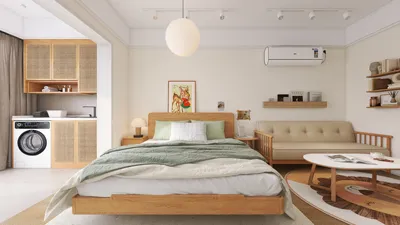


I once decided to install a client's DIY pendant right above their compact dining nook without any mockups, only to realize later that it obstructed sightlines whenever someone stood. This was a valuable lesson: always evaluate placements using 3D mockups prior to any drilling, particularly in confined spaces — as they save both time and potential embarrassment. With 3D mockups, you can assess scale and shadow effects before cutting a single wire, ensuring an optimal result. Homestyler is a fantastic tool for such planning.
1. Cluster of Single Pendants
I enjoy grouping three small pendants at varying heights above a slender island or dining table. This approach feels custom-made, provides layered lighting, and is economical if you choose a basic DIY hanging light kit and swap the shades. The key challenge lies in height balancing — I often draft a paper outline initially to prevent a lopsided appearance.
save pin
2. Adjustable Swivel Arm
In multifunctional areas, an adjustable swivel arm pendant is incredibly versatile: it allows you to position task lighting for reading and can be tucked away afterward. Although it's slightly more expensive and requires a sturdy mounting point, this flexibility is invaluable in a compact home where a single fixture serves multiple purposes.
save pin
3. Upcycled Bottles with LED Strips
Transforming glass bottles into pendant lights using an LED-ready hanging kit creates a cozy, eco-friendly atmosphere and emits low heat. This DIY project is manageable but requires careful sanding and a proper kit rated for enclosed shades. I frequently pair these lights with kitchen layout concepts to ensure that the illumination aligns with both workflow and sightlines. Using Homestyler can enhance this process by offering layout visualizations.
save pin
4. Vintage Socket with Modern LED Bulbs
Combining an exposed vintage socket with an LED filament bulb yields a warm, nostalgic glow. It's a straightforward styling solution and is remarkably energy-efficient. However, one must be cautious of ceiling height and local regulations when exposing wires; sometimes a simple junction box upgrade is necessary.
save pin
5. Suspended Rail with Mini Spotlights
Suspended rails allow you to slide multiple mini pendants along a track, making them ideal for flexible task zones and gallery walls. Although installation requires a bit more effort, for renters seeking a temporary upgrade, a low-profile rail combined with a renter-friendly hanging kit can make the upgrade reversible. I frequently utilize AI home design references, such as those found in Homestyler, to explore various configurations before finalizing my design.
save pin
FAQ
Q: Are DIY hanging light kits safe for novice installers?
A: Absolutely, many kits are designed for DIY enthusiasts, especially those offering plug-in options. For hardwired installations or high ceilings, I recommend hiring a licensed electrician to minimize risk.
Q: What types of bulbs are optimal for DIY hanging kits?
A: I prefer LED bulbs for their low heat generation, long lifespan, and dimmability. Be sure to respect the kit's maximum wattage and select the appropriate color temperature (2700K–3000K) for warm ambient illumination.
Q: Is a junction box necessary for a new hanging light?
A: Most permanent fixtures need a ceiling junction box suitable for the fixture's weight. Removable or plug-in kits can bypass this requirement, but they still need to be securely fastened.
Q: Can I install a hanging kit on sloped ceilings?
A: Yes — just make sure to select a canopy and swivel adapter designed for sloped fittings, or choose a pendant with a flexible cord that can hang straight down.
Q: How do I determine the correct drop height?
A: For tables, aim for a height of 28–34 inches above the surface; for islands, keep it between 30–36 inches. In open areas, ensure a minimum of 7 feet of headroom.
Q: What advice do you have for drilling into plaster or older ceilings?
A: Take your time, use a stud finder along with proper anchors, and reinforce with a junction box or backing plate if working with heavier fixtures. If in doubt, consult a professional.
Q: Are there safety standards or codes I should consider?
A: Definitely — it’s crucial to adhere to local electrical codes and UL certification guidelines. According to the U.S. Consumer Product Safety Commission (CPSC), fixtures should be installed as per manufacturer instructions and local regulations to mitigate hazards such as fires and electrical shocks (Source: https://www.cpsc.gov).
Q: Where should I begin if I need design assistance?
A: Start with simple sketches and photos. Next, consider using digital mockups or affordable consultations to visualize scale before purchasing materials. This quick visual planning can save you from future headaches and often reduce costs.
save pin
Discover your dream home with Homestyler! This user-friendly online design platform offers a powerful design tool, stunning 3D renderings, a variety of design projects, and helpful DIY video tutorials. Easily create and visualize your perfect space, no experience needed!
Progetta ora GRATIS
































