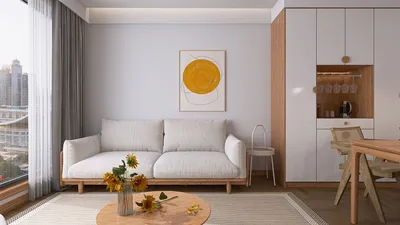


A few years back, I had the opportunity to create a dining room for a friend who was adamant about having a white shag rug positioned right beneath the table. Let’s just say, it didn't withstand the chaos of our first pasta night. This experience sparked my interest in understanding how dining room rugs need to harmonize style and functionality. Designing for compact spaces and contemporary interiors can be challenging; however, I genuinely enjoy these projects. For that particular design, I used a room planner to envision different textures and patterns before finalizing my choices, and I recommend tools like Homestyler for similar projects.
1. Striking Geometric Patterns
Geometric rugs instantly inject excitement into a modern dining area. They complement furniture that boasts sleek, minimal designs beautifully. The key challenge lies in ensuring that the rug's pattern harmonizes with other decor elements, preventing it from overpowering the space.
2. Textured Neutrals
When in doubt, opt for a textured neutral rug—consider options like wool, jute, or a subtle weave. Such rugs add depth to the ambiance without clashing with existing decor, and they tend to age gracefully despite daily use.
3. Extra-Large Rugs that Encase the Table
A larger rug enhances the breathing space around the dining set, giving it an anchored appearance. Just ensure there is ample room for chairs to be pulled out without snagging on the corners.
4. Monochromatic Graphic Designs
Black and white rugs work wonders in sleek dining rooms. They offer sharp contrast, making even the simplest table appear thoughtfully curated and stylish.
5. Circular Rugs for Round Tables
If your dining table is round, a circular rug creates a beautifully cohesive look. This type of symmetry often imparts a calming yet modern feel to the setup.
6. Vintage-Rug with a Modern Touch
I adore incorporating a slightly distressed rug into contemporary spaces—it infuses character and a narrative to the decor. For instance, I once paired a vintage-style rug with a glass dining table, resulting in a stunning contrast.
7. Rugs that Add a Splash of Color
Introduce a vibrant rug when the rest of your room feels muted. It’s a cost-effective way to revamp the atmosphere without changing your furniture.
8. Layering Techniques with Rugs
If your dining area seems flat, consider layering a smaller, bold rug atop a larger neutral one. This approach is playful but requires precise measurements. Tools like Homestyler can help visualize scale and balance before purchasing.
9. Indoor/Outdoor Rugs
Ideal for dining areas that serve as high-traffic zones, these rugs are durable and easy to maintain, featuring a wide range of stunning modern designs available today.
10. Customized Rug Sizes
Sometimes spaces don’t conform to standard rug dimensions. In such cases, considering a custom option can be worthwhile. For a particular client, I arranged for a custom-cut rug that fit the area flawlessly, utilizing a kitchen layout planner to visualize the flow across different zones.
FAQ
Q: What size rug should I use under my dining table?
A: Ideally, the rug should extend at least 24–30 inches beyond the table on all sides, allowing chairs to remain on the rug even when pulled out.
Q: Are light-colored rugs unsuitable for dining rooms?
A: Not at all; just opt for washable materials or patterns that can cleverly disguise the occasional spill.
Homestyler is your go-to online home design platform, perfect for anyone looking to transform their space. With its user-friendly design tool, stunning 3D renderings, and a wealth of design projects and DIY video tutorials, you can effortlessly create your dream home, regardless of your experience level!
Desain sekarang Gratis
































