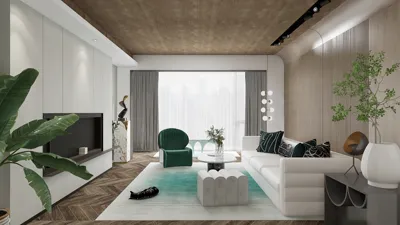


I vividly recall the inaugural dining-living area I crafted — the client desired a dining table ample enough for festive gatherings, but the entire "space" barely spanned 20 square meters. Initially, I felt overwhelmed until I recognized that compact areas could inspire some of the most innovative designs. Today, I’ll share ten of my top decorating tips for enhancing your dining-living room combo, ensuring it feels stylish, functional, and distinctly yours. Remember, limited space doesn’t equate to limited comfort — it just requires smarter design choices, and occasionally, a bit of assistance from innovative tools like Homestyler.
1. Define with Rugs
A sizable area rug beneath the coffee table contrasted with a different texture or color under the dining table can quickly establish a visual separation. This affordable tactic not only delineates each area but also infuses warmth and character into the overall design. Just ensure the sizes are appropriate — too small, and you lose the effect; too large, and it overwhelms the entire space.
2. Use Lighting as a Divider
Suspended lights over the dining table paired with a floor lamp in the living area can effectively delineate spaces without erecting any walls. Plus, using task and accent lighting can effortlessly alter the ambiance from a dinner gathering to movie night.
3. Opt for Multi-Functional Furniture
Consider incorporating extendable dining tables, storage ottomans, or sofas with hidden compartments. These versatile pieces are invaluable in a combined space. I once managed to incorporate an extendable table that could accommodate four to eight guests, much to the client’s delight.
4. Maintain a Unified Color Palette
Utilize colors to create harmony throughout the space. If your living area showcases soft greys and blues, allow your dining chairs or wall art to reflect those shades. This creates a continuous flow and avoids the discordant ‘patchwork’ feel that can sometimes plague combo spaces.
5. Experiment with a Floating Sofa
Rather than pushing the sofa against the wall, position it to effectively serve as a natural divider between dining and living areas. This approach feels more deliberate and can foster a cozy nook. Just be aware that you’ll need to manage cable and outlet accessibility for table lamps or chargers.
6. Embrace Diverse Seating Styles
Don’t shy away from mixing a dining bench with contemporary chairs or combining a sectional with an accent chair. This adds visual intrigue and adaptability for larger gatherings. In fact, when I combined velvet dining chairs with a rustic bench, it became the most praised aspect of my client’s residence.
7. Utilize Vertical Storage
Incorporating tall shelving or wall-mounted units helps free up valuable floor space. You can cleverly store dinnerware, books, or art pieces that connect both areas. Moreover, off-the-ground storage simplifies cleaning — always a plus!
8. Fashion a Statement Wall
A well-decorated wall — be it with wallpaper, gallery art, or a textured panel — can serve to unify the two zones. I regularly use a standout wall to anchor the design, allowing the furniture arrangement to tell the rest of the story. Occasionally, I even draft the layout using a digital tool like Homestyler before making any purchases.
9. Experiment with Transparent Furniture
Glass dining tables or acrylic chairs can make a tight space feel less cluttered. They almost ‘vanish’ into the backdrop, allowing the room to breathe freely. However, I advise clients that they require frequent cleaning—especially if there are kids or pets involved.
10. Layer Textures, Not Just Colors
Beyond paint and fabric selections, consider a variety of tactile materials — such as a knitted throw, smooth marble table tops, or woven baskets. Textural layering enriches a small combo space, making it feel cozier and more inviting. I often finalize my styling plans using 3D visualization software from a virtual layout, ensuring I identify balance issues ahead of shopping trips.
FAQ
Q: How can I prevent a dining-living combo from appearing cramped?
A: Scale furniture appropriately for the space, implement vertical storage, and choose lighter pieces like glass or items with slim designs.
Q: Is mixing modern and traditional styles acceptable?
A: Definitely! Just ensure to repeat certain colors or materials to foster a cohesive look.
Q: How many rugs can I have without overcrowding?
A: In a combined space, two rugs (one for each zone) generally work best. More than that can create a fragmented feel.
Homestyler is your go-to online home design platform, perfect for turning your creative ideas into reality. With an intuitive design tool, stunning 3D renderings, and a wealth of DIY video tutorials, you can easily explore and execute your interior design projects like a pro!
Progetta ora GRATIS
































