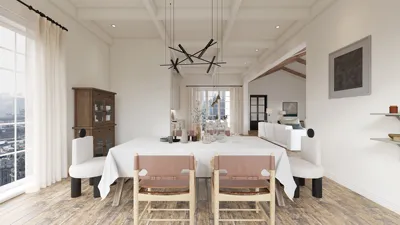


I vividly recall the time when I painted a vintage dining table in a striking midnight blue for one of my clients—leading to the unexpected request for a coordinating collar for their cat. This amusing experience taught me two essential lessons: firstly, painting dining room tables can be remarkably transformative, and secondly, the importance of sealing the finish correctly. In one of the most significant case studies I've conducted, I experimented with various finishes on a small balcony dining set, resulting in a refreshed atmosphere for a compact apartment that previously felt stale.
1. Two-Tone Contrast for Depth
I adore creating a visual split in the table—using soft, worn white for the tabletop and a vibrant color for the apron or legs can give the furniture a designer touch. This technique helps to brighten small spaces and can cleverly mask scratches, though matching the colors with existing chairs may require some experimentation. A light sanding followed by a quality primer is crucial to ensure that the finish withstands regular use without peeling.
save pin
2. Chalk Paint for That Effortless Vintage Look
Chalk paint is my first choice when clients desire a shabby-chic appearance without extensive preparation. It provides excellent coverage with minimal sanding and creates an instantly aged look after distressing. However, due to its porous nature, you should apply a clear wax or poly coat to protect against spills—I’ve used effective topcoats to prevent barbecue and wine accidents from becoming disasters.
save pin
3. Graphic Patterns to Make a Small Table Pop
Utilizing stenciled patterns or simple geometric stripes can transform an ordinary table into the centerpiece of the room without overwhelming a small dining space. This budget-friendly method is fun to execute yourself, yet precise measurements are essential—only intentionally messy lines can be considered charming. For one client, I utilized a matte topcoat to safeguard the artwork while preserving a hand-painted aesthetic, demonstrating how well-designed additions can enhance your kitchen layout inspiration.
save pin
4. High-Gloss Color for a Modern Punch
A table finished with high-gloss lacquer creates a modern aesthetic and reflects light, making cramped dining corners appear more spacious. While it does highlight fingerprints and surface imperfections, meticulous preparation and priming are essential to achieve a stunning result. I recollect lacquering a compact extendable table in a bold tangerine—while guests adored its vibrancy, we provided the owners with maintenance tips to keep it looking showroom-fresh.
save pin
5. Nature-Inspired Washes for Subtle Elegance
Applying thin washes of colors like green, teal, or warm taupe allows the natural wood grain to show through while adding a hint of color—ideal for those who appreciate understated elegance. This technique is forgiving and pairs wonderfully with an assortment of chairs and plants, although using washes over previously stained wood can be challenging. In a recent rental refresh, I applied diluted paint followed by a satin sealer to enhance longevity without sacrificing texture. Homestyler effectively showcased this room makeover in 3D, bringing that concept to life within a compact dining area.
save pin
FAQ
Q1: Are painted dining room tables durable?
I always advocate for the use of a primer and a protective topcoat—polyurethane or marine varnish adds significant durability for everyday meals and spills.
Q2: What paint type is best for a table top?
Acrylic enamel or water-based polyurethane paints strike a balance between durability and ease of use; while lacquer offers high gloss, it requires careful application.
Q3: Can I paint over stained wood without stripping?
Typically, light sanding and a strong bonding primer suffice, but heavily stained or oily woods may need additional preparation to prevent bleed-through.
Q4: How do I prevent chipping on edges?
Rounded or beveled edges are less prone to chipping, and applying several thin coats of paint with sanding in between enhances the durability of the finish.
Q5: Is chalk paint suitable for heavy-use tables?
Absolutely, provided it is sealed properly—while wax is traditional, a clear polyurethane is preferable for tables that see a lot of traffic.
Q6: Any color trends for painted dining tables?
Earthy greens, muted terracotta, and rich navy continue to be favored choices as they photograph excellently and blend well with varied materials.
Q7: Can painting a table increase resale value?
Well-considered and expertly executed paint jobs can enhance a piece's appeal to potential buyers; it's wise to steer clear of overly personalized colors if you intend to sell.
Q8: Where can I find authoritative finishing guidance?
For professional-level results, I frequently refer to the detailed data sheets and finish recommendations provided by Sherwin-Williams, an invaluable resource for coating and durability specifications.
save pin
Discover your dream home design with Homestyler! This user-friendly platform offers an intuitive online design tool, stunning 3D renderings, and a wealth of inspiring design projects and DIY video tutorials. Bring your vision to life effortlessly and enjoy the creative process!
立即免费设计
































