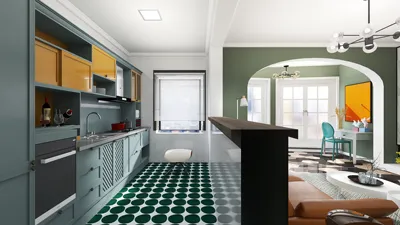


Once, a client requested to blend a "modern farmhouse with neon disco" in their log cabin design—a unique challenge I approached with creativity to create a functional yet enjoyable space. I quickly realized that paint significantly influences a cabin's character, capable of either calming or amplifying visual chaos. During my design process, I often find it beneficial to sketch the space first, enabling me to examine sightlines and proportions before applying any paint.
1. Whitewashed Pine with Vibrant Accents
I enjoy whitewashing pine walls to infuse brightness while maintaining the wood's natural grain, creating an airy feel in small cabins. Complementing this with a bold accent wall or a painted door in deep forest green or navy provides a chic touch while keeping the cabin's authenticity intact. While this aesthetic may require more maintenance—light surfaces show dust more readily—the result truly opens up the space.
save pin
2. Warm Neutrals and Layered Undertones
To achieve a welcoming and lived-in atmosphere, I layer warm neutrals such as taupe beams, creamy cabinetry, and clay-toned trim. Differentiating the undertones prevents the area from appearing flat, allowing wood textures to shine. This approach is low-risk for resale and is cost-effective, especially if you can reuse existing wood and concentrate painting efforts on trim and ceilings.
save pin
3. Painted Ceilings for Added Height
Applying a soft blue or light gray to the ceiling can create an illusion of greater height, a trick I have successfully utilized in various compact lofts. This cost-effective adjustment not only increases a sense of volume in the space but also necessitates attention to lighting; darker ceilings tend to absorb light, thus pairing these with brighter lamps is essential. To explore this idea further, consider creating a mockup on poster board first to avoid any future repainting issues.
save pin
4. Color-Coordinated Kitchen Nook
As the heart of the cabin, the kitchen often thrives on social interactions. To define the kitchen nook without erecting barriers, I sometimes opt for a distinct hue. A muted teal or warm ochre can enliven the area while remaining subtle. Before finalizing the decision, I always recommend clients visually assess the kitchen zones to ensure the painted section complements both the workflow and the arrangement of appliances.
save pin
5. Thoughtful Murals, Stencils, and Accent Trim
Incorporating small-scale murals or stenciled pinecones and birch designs can add character without veering into the territory of kitsch, especially when kept within a tonal palette. I previously crafted a subtle birch-repeat border that became a beloved signature of the cabin—affordable yet full of personality. As a final step, I recommend utilizing 3D previews to help clients visualize the scale and pattern before applying any paint.
save pin
FAQ
Q: Is it detrimental to paint log walls?
A: Not necessarily. With thorough preparation—cleaning, filling gaps, and using a breathable primer—you can protect the wood. It's essential to prevent moisture accumulation by selecting paint that is suitable for wood and ensuring ample ventilation.
Q: Which paint finish is ideal for cabin interiors?
A: I recommend using satin or eggshell finishes on walls for their durability and soft sheen; semi-gloss is perfect for trim and frequently touched areas due to its easy-to-clean nature.
Q: How can I maintain the wood grain while painting?
A: Techniques like whitewashing or applying thin washes can permit the grain to remain visible. Test your methods on a scrap panel and experiment with diluting paint with water or glazing medium until you find the perfect translucency.
Q: Can painted cabins retain their rustic charm?
A: Definitely. Choosing muted colors and leaving visible brush strokes or exposed knots can preserve the rustic essence while refreshing the overall palette.
Q: What are some budget-friendly painting strategies?
A: Focus on selective surfaces such as doors, trim, and one accent wall rather than painting entire rooms. You can also consider refinishing or whitewashing instead of fully covering every log, which can save on both paint and labor expenses.
Q: Are there safety issues with painting older cabins?
A: Yes. Older cabins may contain lead-based paint. The U.S. EPA advises that homes built before 1978 often require lead-safe work practices, so consulting EPA guidelines before disturbing aged paint is crucial (EPA, https://www.epa.gov/lead).
Q: How do I select colors that will remain timeless?
A: Embrace nature-inspired palettes—think muted greens, warm taupes, soft blues—and be judicious with bold modern accents so that they can be updated without much hassle over time.
Q: Can I attempt painted effects on my own?
A: Many straightforward techniques like whitewashing or stenciling are beginner-friendly with enough time and practice. For larger-scale or intricate designs, hiring a professional can save time and ensure high-quality results.
save pin
Homestyler is the ultimate online home design platform for anyone looking to transform their space. With its user-friendly design tool, stunning 3D renderings, and a treasure trove of design projects and DIY video tutorials, you can effortlessly bring your creative visions to life!
Design Now for FREE
































