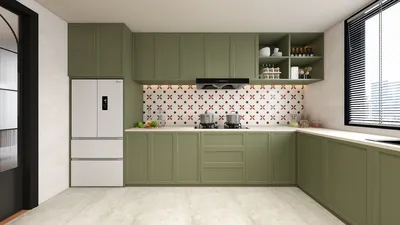


In my experience, I once painted a small rental bedroom in mint green after a client convinced me it would enhance their sleep quality. However, I soon received messages from guests comparing the color to a dentist's office. This taught me a vital lesson: while color preferences vary, the cost of painting is a common concern. To help clients foresee the final appearance before purchasing large quantities of paint, I regularly recommend utilizing 3D visualization tools like Homestyler early in the process; it not only helps avoid financial waste but also emotional disappointment.
1. Accent walls deliver significant impact for minimal investment.
An accent wall is my preferred solution for those on a budget: it requires only one to three gallons of paint rather than repainting the entire room, which significantly reduces labor time. Generally, you can expect to pay about 20-40% of the total cost of a full-room painting project for materials and labor. However, keep in mind that intricate patterns or specialized finishes may increase the overall price.
2. Layer tones for a soft depth effect.
I enjoy employing three closely related shades of the same color to achieve a curated look without the expense of high-end materials. The upside is that you'll need less paint if you plan ahead, but be cautious: precise taping and cutting-in may require an additional hour or two of professional labor, which should be included in your overall estimate.
3. Two-tone walls with railing or wainscoting.
Incorporating a mid-wall rail or wainscoting effect can provide structure and conceal scuffs in busy areas. Although the preparation and trim painting will elevate labor costs, you can save money on repainting over time since lower wall paints are often durable and easy to clean. This approach also serves as a visual strategy to manage kitchen traffic while safeguarding your surfaces.
4. Ceilings painted for remarkable returns.
A soft ceiling color can redefine the perceived height and mood of a space without necessitating a wall repaint. It may require more labor (ladders, masking), so plan for an additional budget of 10-25% over just painting the walls. For open-concept homes, using a cohesive ceiling color across different areas can create an illusion of a seamless design investment.
5. Choosing finishes and textures — matte, eggshell, satin.
The quality of paint and finish choices significantly influences long-term costs. While premium paints are more expensive per gallon, they often cover better and reduce the need for multiple coats, ultimately lowering labor expenses. My advice is to invest more in mid to high-quality paints for frequently used spaces and save on areas that don't see as much traffic.
Quick cost overview.
Based on my projects, the average cost for interior painting typically ranges between $2 to $6 per square foot, covering both labor and materials. For a standard bedroom, expect costs around $300–$800. Complete interior projects can vary from $2,500 to $7,000, contingent on size, preparation, and finish selections. Be aware that older homes with flaking paint or lead issues may incur additional remediation costs. Always request a written estimate that breaks down prep, primer, paint, and labor.
Budgeting advice from my experience.
To minimize costs, handle most of the preparation work, such as removing outlet covers and relocating furniture, to reduce the crew's labor time. Compare paint-only quotes with full-service options — I've found that clients can save up to 20% by managing the demo themselves. If you're seeking a quick preview before finalizing color choices, consider creating a small mock-up or sample patch to prevent expensive repaints later; you can also use Homestyler to sketch a quick floor plan for visualizing spaces and tonal decisions efficiently.
FAQ
Q1: What is the average price for interior painting per square foot? A: Averages typically range from $2 to $6 per square foot, including both paint and labor; high-end paints and extensive preparation can push you toward the higher end.
Q2: How much does it cost to paint one bedroom? A: Standard bedrooms usually cost around $300–$800 to paint, depending on ceiling height, the number of coats, and required preparations.
Q3: Are there any hidden costs I should plan for? A: Yes — expenses related to patching, primer for stains, drywall repairs, and trimming can contribute to the overall cost. Always request itemized quotes to understand what is included.
Q4: Can I save money by doing it myself? A: While DIY projects save on labor costs, they can consume time and lead to unsatisfactory results; minor rooms and single accent walls are suitable DIY projects, whereas intricate trims and tall rooms are better handled by professionals.
Q5: Do paint brands and finishes significantly impact costs? A: Yes — higher-quality paints often provide better coverage and may require fewer coats, thus reducing labor costs. Satin and semi-gloss finishes tend to be more expensive yet more durable for busy areas.
Q6: How long does a typical interior paint job take? A: For a single room, expect 1-3 days depending on drying times and coats; complete house projects typically take several days to a week with proper scheduling.
Q7: Where can I find reliable average cost data? A: According to HomeAdvisor, the cost estimates for painting projects align with the ranges mentioned here. To gain a clearer picture, check various sources, including Angi or local contractor estimates; HomeAdvisor is often regarded as a reliable benchmark.
Q8: How should I choose a contractor to stay within my budget? A: Seek at least three written estimates, review references and before/after photographs, and ensure the quote outlines preparation, primer, brand of paint, number of coats, and cleanup. A well-defined contract can prevent unexpected costs.
Tips 1:
Want to quickly preview colors and lighting? I frequently employ digital mockups during client meetings, as they expedite decision-making and minimize repaint costs.
Homestyler is your go-to online home design platform! With its user-friendly design tool, stunning 3D renderings, and a wealth of DIY video tutorials, you can effortlessly turn your home design dreams into reality. Explore endless possibilities and create your perfect space today!
Concevez maintenant gratuitement
































