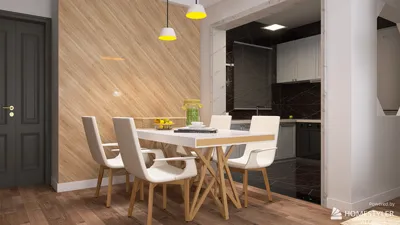


I've always maintained that cozy spaces spark immense creativity, particularly when it involves combining striking furniture with innovative layout strategies. This year, blue sofas are undeniably trending in the world of interior design, gracing both modern minimalist apartments and timeless coastal living rooms. In this piece, I'll showcase my top 10 blue sofa living room decor ideas, derived from over a decade of design projects, alongside expert insights and practical tips that you can incorporate into your home. Trust me, even a small apartment can appear spacious with the right hues and styling, similar to what I achieved in my recent minimalist blue sofa studio transformation using Homestyler.
1. Coastal Breeze with White Accents
My Insight: I once designed a beachside rental with a soft navy sofa set against bright white panelled walls, instantly creating a serene coastal atmosphere. This setup was perfect for relaxation and entertaining weekend guests alike.
Advantages: It enhances the natural light, pairs beautifully with sandy beiges and whites, and maintains timeless appeal. Studies in Architectural Digest reveal that blue-and-white combinations can minimize visual clutter in relaxing environments.
Disadvantages: In low-light settings, it can feel cold; warm accents like wood or rugs are necessary to prevent a sterile appearance.
2. Jewel-Toned Luxury
My Insight: In a client's downtown loft, I incorporated a deep sapphire velvet sofa alongside brass lamps and intricate Persian rugs. This combination immensely elevated the space.
Advantages: Velvet adds texture and depth; jewel tones infuse a sense of sophistication, making it ideal for formal entertaining spaces.
Disadvantages: Velvet easily collects dust and pet hair; it can stain with spills, making it less suitable for households prone to messes.
3. Minimal Scandinavian Palette
My Insight: A light blue linen sofa, teamed with bleached oak furniture and an abundance of greenery, formed a clean yet welcoming living area in my own residence.
Advantages: This soft hue blends seamlessly with neutral palettes, imparting an airy feel. According to a 2022 study published in the Journal of Environmental Psychology, Scandinavian minimalism is linked to enhanced mental well-being.
Disadvantages: It may appear bland without added texture or a striking art piece.
4. Urban Loft Industrial Contrast
My Insight: One of my projects saw a cobalt blue leather sofa contrasted against raw brick and steel shelving — a unique twist on classic industrial design.
Advantages: This color stands out against edgy, dark finishes; leather is both durable and easy to upkeep.
Disadvantages: Leather can feel chilly during winter months; fewer cozy vibes without the addition of throws.
Tip: Incorporate a thick-knit blanket to soften the overall look.
5. L-Shaped Layout for Open Plans
My Insight: In an open-plan attic renovation, an L-shaped blue sectional successfully defined the living area from the dining space while avoiding the use of walls. This approach reminded me of a kitchen project I conducted using Homestyler, where zoning improved accessibility.
Advantages: It maximizes seating; clearly defines areas within open layouts.
Disadvantages: It can overwhelm smaller spaces; challenging to reposition for those who prefer frequent rearrangements.
6. Pop-Art Boldness
My Insight: I collaborated with an illustrator client, pairing her royal blue sofa with oversized, vibrant pop art prints. The resulting energy was undeniable.
Advantages: Ideal for creative souls; makes a strong fashion statement; complements eclectic decor wonderfully.
Disadvantages: Excessive patterns can clash with the sofa itself; careful coordination is required.
7. Warmth from Wooden Accents
My Insight: A mid-century modern teal piece, paired with walnut coffee tables, introduced warmth and balance to a cooler color scheme. It’s quite akin to the warmth achieved in designs utilizing wooden accents and cool tones, which I executed through Homestyler.
Advantages: Adds a timeless, organic touch; seamlessly connects modern and traditional aesthetics.
Disadvantages: Careful selection of wood tones is essential — mismatched undertones can detract from the blues.
8. Statement Patterned Throw Pillows
My Insight: I revamp my navy sofa every few months simply by changing the cushions — ikat in summer, velvet in winter.
Advantages: A cost-effective way to refresh style; makes seasonal changes easy without requiring new furniture.
Disadvantages: An excess of patterns may overwhelm the sofa; thoughtful coordination is crucial.
9. Monochromatic Blue Layers
My Insight: I once styled a living room showcasing various shades from icy blue to midnight—the depth it added was incredible.
Advantages: Fosters a sophisticated, layered aesthetic; surprisingly adaptable across styles, from modern to traditional.
Disadvantages: Too much blue can appear flat without the incorporation of textures or contrasting metals.
10. Glass Elements for Lightness
My Insight: In a compact city living room, I featured a turquoise sofa alongside a glass coffee table and slender bookshelf to maintain a visually open atmosphere — similar to how glass backsplashes achieve an airy feel in kitchens.
Advantages: Glass reflects light, making the room feel larger; complements modern or contemporary styles beautifully.
Disadvantages: Glass surfaces require regular cleaning; safety can be a concern for homes with young children.
Conclusion
To me, a blue sofa transcends mere furniture—it's a bold declaration that sparks creativity. Designing around it in smaller living rooms involves finding smart combinations that enhance both space and character. As noted by Elle Decor, bold color anchors can significantly shift the perception of room size when paired with thoughtful accents. Which of these 10 blue sofa living room decor inspirations will you experiment with first?
FAQ
Q1: What colors complement a blue sofa best?
A: Classic neutrals like white, beige, and gray work well. For contrast, consider mustard, blush, or rust tones to add warmth and balance.
Q2: Is styling a blue sofa complicated?
A: Not at all—blue is exceptionally versatile. Whether your aesthetic leans coastal, industrial, or bohemian, it adapts well with the right accents.
Q3: Can a blue sofa fit in a small living room?
A: Absolutely. As House Beautiful suggests, deeper colors can actually lend structure to small spaces, especially when combined with lighter walls.
Q4: How can I maintain a velvet blue sofa?
A: Regularly vacuum using an upholstery brush, and address spills immediately with appropriate fabric cleaners. Blinds help prevent sun fading.
Q5: Is it okay to use patterned rugs with a blue sofa?
A: Definitely—just coordinate at least one color from the rug to unify the look with the sofa.
Q6: Should I opt for a sectional or a standard sofa?
A: It depends on your space and requirements. Sectionals provide extra seating but can limit rearranging flexibility.
Q7: What’s the most durable material for a blue sofa?
A: Performance fabrics such as microfiber or treated linen are resistant to stains and wear, making them suitable for busy households.
Q8: How can I add warmth to a room with a blue sofa?
A: Incorporate wood, brass, or warm textiles. For inspiration, check out my project featuring wood accents that harmonize with cool tones.
Discover Homestyler, the ultimate online home design platform! With its user-friendly design tool, stunning 3D renderings, and a wealth of inspiring design projects and DIY video tutorials, transforming your space has never been easier. Unleash your creativity and bring your dream home to life today!
Design Now for FREE
































