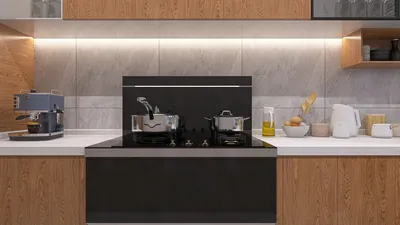


As a designer, I witness seasonal shifts in trends; yet one enduring combination persists: a white kitchen complemented by a blue pearl granite backsplash. Presently, homeowners favor bright and timeless foundations accented with a hint of color that exudes sophistication rather than fleeting trends. Particularly in smaller kitchens, limited space often ignites significant creativity — compact layouts necessitate smarter choices for materials and storage solutions.
In this article, I will outline five targeted design inspirations for harmonizing white cabinetry with blue pearl granite, drawing from my own projects and insights from industry experts. I will provide practical advantages and disadvantages, budget considerations, and actionable tips you can implement immediately. If you're contemplating a modest remodeling project, consider starting with an L-shaped layout — this is a favored strategy of mine for creating open work zones without squandering space.
1. Minimalist White Cabinets + Thin Blue Pearl Granite Accent Strip
My Insight
Last year, I implemented this in a narrow galley kitchen: we used full-height matte white cabinets, included inset hardware, and added a thin strip of blue pearl granite as a mid-height accent behind the stove. The finished look was crisp yet inviting.
Advantages
This minimalist approach maintains a clean visual field and highlights the blue pearl granite backsplash as an accent rather than allowing it to dominate. For anyone searching for blue pearl granite backsplash solutions in small kitchens, this strategy enhances light flow and simplifies cleaning. It’s cost-effective since less stone is required and pairs seamlessly with white quartz countertops.
Disadvantages
Using the granite sparingly may mean you miss out on showcasing its dramatic veining. It yields a subtle appearance — a perfect fit for those who appreciate restraint, but less ideal for those seeking a bold centerpiece.
Suggestions
Incorporate a slim stainless steel range hood and under-cabinet lighting to enhance the brightness of that thin band. If you desire texture without increasing stone use, consider placing a white textured tile above the accent strip to create depth without competing with the blue pearl granite.
save pin
2. Full-Height Blue Pearl Granite Behind the Range
My Insight
I recommended this approach to a client seeking a statement feature without changing countertops. We installed a full-height blue pearl granite backsplash directly behind the range, bordered by white Shaker cabinets and brass hardware — transforming the cooking area into a work of art.
Advantages
A full-height installation beautifully showcases the stone’s movement and coloration; it is ideal for making the blue pearl granite backsplash the main attraction within the kitchen. Furthermore, it offers better protection against wall splatter compared to tiles. For those browsing ‘white cabinets with blue pearl granite’, this creates an upscale and intentional aesthetic.
Disadvantages
Full slabs typically come at a higher price and require precise cutting and seam placement. The striking appearance may also become outdated more quickly for those who prefer a neutral palette.
Suggestions / Cost considerations
Budget wisely: opting for full-height slabs can increase costs by 20–40% compared to a shorter backsplash. If your budget is limited, consider applying the full slab solely behind the range rather than across the entire wall.
save pin
3. Blue Pearl Granite as a Floating Shelf Backdrop
My Insight
In a recent small remodel, I utilized blue pearl granite behind a series of floating oak shelves. The stone provided a shimmering backdrop while the warm wood enhanced the kitchen’s inviting atmosphere. It effectively balanced both function and style.
Advantages
Placing blue pearl granite in areas where the eyes naturally rest—behind shelves or open storage—allows one to enjoy the stone’s brilliance without committing to extensive installation costs. For individuals searching for blue pearl granite backsplash ideas for open shelving, this balances functionality and aesthetic while keeping the majority of walls white to reflect light.
Disadvantages
Open shelves tend to accumulate dust and visual clutter, meaning the stone backdrop might become obscured if the shelves are not curated properly. If you’re prone to disarray, the desired effect may not shine as intended.
Suggestions / Case example
Incorporate downward LED strips beneath the shelves to allow the stone’s pearly flecks to catch the light. In that project, I used slim walnut shelves and kept the dishware pale to ensure the granite remained the focal point.
To visualize how different materials interact in 3D renderings, many designers rely on tools that help preview finishes before fabrication—this helped us finalize edge treatments in that instance. I recommend creating a quick mock-up in a 3D view to evaluate scale and shine; witnessing the reflections might influence your choices for lighting and hardware. Tools like Homestyler can assist in simulating finishes to achieve optimal results.
save pin
4. Blue Pearl Granite Backsplash Paired with Marble-Inspired White Counters
My Insight
Integrating various materials can yield a plush yet cohesive aesthetic. In one of my projects, I combined a blue pearl granite backsplash with a honed white marble-style quartz counter to achieve the depth of granite without overpowering the room. The soft veining of the quartz echoed the speckles of the granite.
Advantages
This method provides the tactile allure of natural stone while ensuring predictable maintenance. For those investigating white kitchens with blue pearl granite backsplash combinations, this is a dependable path to a layered, designer finish without overwhelming every surface with stone.
Disadvantages
Mixing contrasting stone aesthetics requires moderation — too many competing patterns can create a disjointed appearance. A clear secondary palette (like metal finishes, wood tones, or accent colors) will be necessary to unify the design.
Suggestions
Select one predominant metal finish (brass, matte black, or chrome) and consistently use it in pulls, faucets, and fixtures. Maintain minimal small appliances or conceal them behind cabinet doors to uphold the desired serenity.
save pin
5. Coastal-Inspired White Kitchen with Blue Pearl Granite and Wood Accents
My Insight
I favor designs that respect both materiality and comfort. For clients desiring a relaxed coastal atmosphere, I combined blue pearl granite with white cabinets and warm wood open shelving. This created a contemporary beach cottage vibe rather than a themed display.
Advantages
The navy-tinted stone alongside wooden elements offers a warm and welcoming feel. If your research includes blue pearl granite backsplash designs for a coastal kitchen, this flexible style allows you to adjust formality levels with lighting and textiles.
Disadvantages
Coastal themes can feel overdone if nautical motifs are excessively used. Simple accents like a soft linen runner and understated rattan stools are more effective than anchors and stripes.
Suggestions / Quick tip
Opt for natural fibers and matte finishes. Thoughtfully placed wooden accents (such as bar stools, open shelves, or toe kicks) can enhance warmth without breaking the bank. If you seek a digital preview of layout and material harmony prior to purchasing samples, utilizing tools like Homestyler can be incredibly beneficial.
save pin
Summary
In summary: a white kitchen featuring a blue pearl granite backsplash presents a versatile option that can vary from minimalistic designs to coastal inspirations. Thoughtful placements, especially in compact kitchens, such as accent strips, full slabs near the stove, or stone backdrops behind shelving can each create distinct focal points without overwhelming the area. The key is determining whether the granite will shine as the star or play a supporting role, and coordinating lighting, hardware, and other materials accordingly.
According to the National Kitchen & Bath Association (NKBA), focusing on functional zones and contrasting materials enhances the perception of value in small kitchens. Which of these five ideas intrigues you most for your space?
save pin
FAQ
Q1: Is blue pearl granite an appropriate choice for small kitchens?
A1: Absolutely. A white kitchen with blue pearl granite backsplash can create the illusion of depth without making the room feel confined if used strategically — think accent bands or selectively applied full-height installations behind cooking areas instead of wall-to-wall coverage.
Q2: What is the cost associated with a blue pearl granite backsplash?
A2: Prices vary based on slab quality and installation intricacies. Expect increased costs for full-height slabs and custom seams; accent strips or partial installations are more budget-friendly options. Collect multiple quotes from fabricators for the best accuracy.
Q3: Will blue pearl granite coordinate well with white cabinetry?
A3: Generally, yes. The cool blue hues in the granite complement both warm and cool whites; it's advisable to test the stone against your cabinet finish under your room’s lighting before final decisions are made.
Q4: Is special maintenance required for blue pearl granite?
A4: Blue pearl granite is generally durable, but like all natural stones, it benefits from regular sealing and avoiding harsh acidic substances. Be sure to clean up spills promptly and use cutting boards to safeguard the surface.
Q5: Can I mix blue pearl granite with quartz countertops?
A5: Definitely. Many designers pair striking backsplash stone with low-maintenance quartz surfaces to achieve a stunning look with less upkeep. This juxtaposition is frequently seen in professional remodels.
Q6: What type of lighting works best with blue pearl granite?
A6: Layered lighting is essential—under-cabinet LEDs, striking pendants over islands, and recessed ceiling lights are all effective. The pearly flecks in the stone respond favorably to focused light that enhances sparkle.
Q7: Are there reliable sources for consulting layout and material options?
A7: Indeed. The National Kitchen & Bath Association (NKBA) provides guidelines on layouts and trends that numerous professionals reference when planning functional kitchens (NKBA.org).
Q8: How can I visualize these concepts before making a commitment?
A8: Utilize mood boards and 3D renderings to get a preview of scale, color interactions, and reflections. Observing samples under your room’s illumination will help prevent unexpected results during installation.
save pin
Homestyler is your go-to online home design platform, perfect for all skill levels. With its user-friendly design tool, stunning 3D renderings, a wealth of design projects, and helpful DIY video tutorials, you can effortlessly create and visualize your dream space. Start transforming your home today!
Design Now for FREE
































