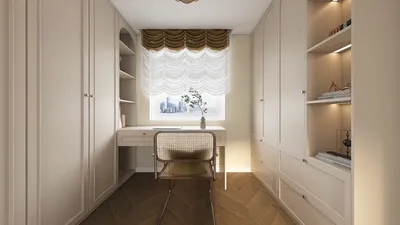


With over ten years of experience in crafting and refining diverse living rooms, I can assert that oak wood flooring remains a timeless choice. Today, this classic material is experiencing a resurgence in popularity, offering both rustic charm and modern sophistication. Particularly beneficial for small living areas, oak floors introduce warmth and character without overwhelming the space. In this article, I will present ten inspiring ideas for integrating oak wood flooring into your living room, combining my expertise with professional insights to spark your creativity for your next home upgrade using Homestyler.
1. Light Oak for an Airy Minimalist Aesthetic
Personal Experience: I once redesigned a 35㎡ apartment where the client was concerned that dark flooring would confine the area. Switching to light oak transformed the living room into a brighter and more open environment.
Benefits: Light oak enhances natural light, creating an illusion of spaciousness, which is ideal for compact rooms. According to Architectural Digest, light-colored flooring is a hallmark of Scandinavian-style interiors.
Drawbacks: The lighter shade may show dirt and scratches more readily due to its pale hue.
Pro Tip: Pair light oak with white or beige walls for a seamless, flowing look — similar to a minimalistic living room project I recently completed.
2. Dark Oak with Statement Rugs
Personal Experience: During a loft renovation, I matched deep espresso oak floors with a vibrant Persian rug, creating a striking focal point within the room.
Benefits: Dark oak injects depth, drama, and luxury into a space, making it particularly eye-catching against vivid textiles.
Drawbacks: It can make smaller spaces appear even smaller and may necessitate additional lighting to maintain a balanced ambiance.
3. Chevron Oak Pattern
Personal Experience: Implementing a chevron pattern in medium oak immediately elevated a mundane condo, turning it into a chic, boutique-style living area. Guests often remarked on the impressive flooring first.
Benefits: This design approach introduces dynamic movement and visual intrigue, making the room seem more expansive. Real estate agents often value this pattern for its luxurious perception.
Drawbacks: The installation complexity can lead to higher costs.
4. Matte Finish for a Modern Casual Vibe
Personal Experience: I prefer matte finishes for family-friendly spaces; one client told me it effectively ‘hides the chaos’ during kids’ playtime.
Benefits: Matte oak floors are better at concealing dust and footprints, contributing to a relaxed, contemporary atmosphere.
Drawbacks: They lack the reflective qualities of gloss finishes, which could limit light maximization.
5. Rustic Reclaimed Oak
Personal Experience: For a charming countryside retreat, I sourced reclaimed barn oak, where each plank narrates its unique story.
Benefits: This sustainable option boasts a distinct character; knots and imperfections lend authenticity that new wood simply cannot mimic.
Drawbacks: Maintaining reclaimed oak requires regular sealing and care to preserve its beauty.
6. Oak with Wide Planks
Personal Experience: Using wide oak planks in a compact 28㎡ living room visually broadened the space and decreased the number of seams.
Benefits: This approach fosters a seamless, spacious appearance; fewer seams also simplify cleaning routines. According to Floor Covering Weekly, wide planks are set to trend in 2024.
Drawbacks: They can be more expensive and tricky to install, especially in irregularly shaped settings.
Pro Tip: For the best effect, combine wide oak planks with an open floor plan to enhance spatial flow.
7. Whitewashed Oak
Personal Experience: I utilized whitewashed oak in a coastal-themed apartment, resulting in a light and inviting atmosphere with a subtle beachy vibe.
Benefits: Ideal for coastal or shabby chic designs, whitewashed oak helps conceal minor wear while illuminating the interior.
Drawbacks: It may appear too faded if not contrasted properly with furniture or decor accents.
8. Oak Flooring with Inlay Borders
Personal Experience: Adding a darker wood border to the living area created an elegant framed effect, subtly delineating spaces without physical barriers.
Benefits: Inlays provide an effective way to define functional areas in open floor plans and add a touch of custom craftsmanship.
Drawbacks: This approach raises material and labor costs and might not complement ultra-minimalist designs.
9. Honey-Toned Oak for Inviting Warmth
Personal Experience: In a family room located in a colder climate, honey oak brought warmth and comfort both visually and emotionally.
Benefits: This tone harmonizes well with various color schemes, proving versatile for both traditional and contemporary spaces.
Drawbacks: The golden shade could clash with certain cool-toned gray decor.
Pro Tip: Honey oak pairs beautifully with wooden accents in adjoining rooms for a cohesive design flow.
10. Mixed-Width Oak Planks
Personal Experience: Utilizing varying plank widths in a renovation project transformed a standard living area into a uniquely textured, bespoke environment.
Benefits: This method adds rustic charm and a handcrafted feel, breaking the monotony of uniform boards.
Drawbacks: Sourcing may be more challenging and could deter buyers preferring consistent widths.
Conclusion
From my perspective, oak wood flooring provides more than just visual warmth; it enriches the connection to nature, making any living room more welcoming. Small areas, in particular, gain immense benefit, as the appropriate shade and finish can dramatically alter the overall mood and functionality. A small living space should not be viewed as a limitation; instead, it represents an opportunity for innovative design. As highlighted by the National Wood Flooring Association, quality hardwood flooring, like oak, can endure for years with proper maintenance. Which oak wood flooring style captivates you the most? Consider using Homestyler to visualize your design ideas!
FAQ
Q1: Is oak wood flooring ideal for compact living rooms?
Absolutely, particularly light oak variations, which enhance brightness and create a perception of larger spaces.
Q2: How can I care for oak wood floors?
Routine sweeping and occasional damp mopping are crucial. Avoid harsh chemicals and use furniture pads to minimize scratches.
Q3: What distinguishes red oak from white oak flooring?
Red oak presents warmer undertones, while white oak delivers cooler, subtler vibes. Both are robust options according to the NWFA.
Q4: Can oak flooring fit modern interior styles?
Certainly! Combining matte finishes with sleek furniture results in a contemporary appearance.
Q5: Is investing in reclaimed oak worthwhile?
Yes, especially if you appreciate sustainability and distinctive character. Each plank has its individuality.
Q6: Is oak wood prone to scratches?
It's quite durable, but like all hardwoods, it is susceptible to scratches. Using rugs in high-traffic areas can provide protection.
Q7: Which rug colors pair best with oak floors?
Neutrals offer a subtle appearance, whereas jewel tones create a striking contrast; this varies with your decor style.
Q8: Are wide oak planks superior to standard widths?
Wide planks contribute to a modern, spacious ambiance. Check out my wide plank oak project for inspiration.
Homestyler is your go-to online home design platform, perfect for bringing your creative visions to life! With its easy-to-use design tool, stunning 3D renderings, and a wealth of DIY video tutorials, you'll find everything you need to transform your space effortlessly. Dive into design today!
Design Now for FREE
































