


The color of tiles in a living room does much more than just create an ambiance; it also influences illumination, guides movement, and subtly affects behavior. I seek hues that blend well with natural light exposure, flooring materials, and surrounding finishes, adjusting color temperature and reflectance to ensure the environment feels both serene and vibrant. An effective color scheme harmonizes warm and cool tones, ensures adequate contrast for visibility, and accommodates the way individuals interact within the space, often utilizing tools like Homestyler for layout visualization.
When it comes to selecting colors, empirical data is crucial. In home settings, neutral palettes leaning towards warm undertones tend to foster relaxation; studies in color psychology highlight that shades of blue and green evoke feelings of calmness and stability, while warm earth hues enhance comfort and sociability (Verywell Mind: color psychology). From a lighting perspective, tiles with a moderate to high reflectance properties effectively distribute light; The Illuminating Engineering Society typically advocates for an illumination level of about 150-300 lux for living spaces, achievable through pale or mid-toned tiles that reflect available light (IES lighting guidance). My aim is to combine tile colors with lamps around 2700-3000K for evening coziness, while maximizing daylight for optimal color reproduction during the day.
Ergonomics are vital, not just in terms of furniture height or flow, but also for visual ergonomics—like contrast ratios and minimizing glare. WELL v2 underscores the importance of visual comfort, advocating for reduced glare and consistent lighting quality; I apply this by choosing tiles that steer clear of glossy white in bright environments, instead favoring satin or matte finishes to diminish veiling reflections (WELL v2 framework for Light).
Soft Neutrals: The Most Versatile Foundation
Tiles in warm greige, soft taupe, and gentle ivory provide an adaptable backdrop. These tones anchor varied furniture styles, enhance the reflectance of natural light, and allow artwork or textiles to stand out without conflict. I prefer using slightly varied stone-look porcelain with a matte finish to create a seamless flooring appearance. To prevent visual monotony, keep saturation low and introduce subtle textures or light veining. In rooms receiving cool north-facing light, warm neutrals counteract bluish tones, preventing a flat ambiance.
Warm Terracotta and Clay: Inviting and Grounding
Terracotta and clay-inspired tiles infuse warmth, texture, and earthy sophistication, beautifully complementing materials like walnut, oak, or brass. These tiles work especially well in spaces tailored for interaction and socializing. I balance these earthy shades with off-white walls and cool metallic accents. Under warm lighting (2700K), terracotta exudes warmth; with bright daylight, a matte finish helps mitigate glare while preserving richness.
Calming Greens and Sage: Nature-Inspired Tranquility
Tiles in shades of sage, moss, or muted olive can cool a bright space and align the interior with greenery. These greens interact well with daylight and their psychological connection to relaxation enhances multi-purpose living areas. If your layout comprises specific zones for reading, media consumption, and entertainment, an accent band or inset of green tiles can differentiate areas without the need for physical barriers. Utilizing Homestyler as a room design tool can assist in visualizing how tile patterns and transitions will work.
Modern Charcoal and Graphite: Striking Contrast with Subtlety
Charcoal tiles add structure and offer a gallery-like aesthetic, especially in open-plan designs with high ceilings. They frame lighter furniture and establish a grounded base to minimize visual clutter. To prevent a cave-like feel, pair charcoal floors with high-CRI lighting and lighter wall paints. Opt for rectified porcelain featuring minimal grout lines for a clean look; a satin finish keeps glare to a minimum while maintaining definition.
Coastal Blues and Soft Teal: Cooling Visual Relief
Gentle blues and muted teal-grays are ideal for balancing a room that may feel overly warm due to rich woods or south-facing exposure. They provide a cooling counterbalance that remains soothing. Aim for matte or honed finishes, and incorporate warm tonal textiles—like camel, rust, or cream—to ensure the overall palette is inviting and personable. The peaceful essence of blues is known to foster calm and trust, making these hues perfect for work-from-home environments.
Reimagining Black and White: Harmony and Proportion
High-contrast palettes can invigorate a living room when designed with rhythm in mind. In smaller spaces, I avoid checkerboard patterns and instead embrace larger formats—such as grayscale herringbone or a border design that highlights the seating area. Strong contrasts enhance navigation, but should be softened with ambient lighting and plush textures to retain comfort. The essential aspect is proportion: larger areas of black create a calmer look compared to numerous busy motifs.
Light Environment: Reflectance, Color Temperature, and Glare Management
The choice of tile color and finish significantly affects the overall lighting strategy. In spaces with variable daylight, tiles featuring a 40-60% reflectance can help maintain brightness without producing glare. Evening lighting should remain warm (2700-3000K), with task lamps providing 300-500 lux for reading, while ambient fixtures maintain levels around 150-300 lux. Glossy white tiles in direct sunlight can create veiling reflections; therefore, matte or satin finishes are preferable to stabilize brightness and enhance visual comfort.
Human Behavior and Color: Creating Zones with Color
Color can signal behaviors—soothing greens for reading spaces, warm neutrals that promote conversation, and cooler tones positioned near media zones to minimize perceptual noise. I first map out circulation pathways, then allocate color zones that subtly guide movement without rigid barriers. For intricate layouts, an interior layout planner can assist in pattern experimentation and rug-to-tile interface planning, ideally integrating with tools like Homestyler.
Material and Finish: Focusing on Sustainability and Touch
Porcelain tiles with recycled materials and robust glazes promise longevity and low-maintenance care. Options designed to mimic stone deliver a natural look without the upkeep required by porous stone. Matte finishes enhance tactile experience and cut glare; lightly textured surfaces improve grip, particularly near exits. I tend to steer clear of highly polished finishes in family rooms, as they appear formal and may contribute to visual fatigue.
Patterns and Scale: Achieving Visual Balance
Utilizing larger tiles minimizes grout lines, making small rooms feel more expansive. In larger areas, a subtle pattern or directional layout—such as chevron or herringbone—adds rhythm without overwhelming the space. Maintain a compact color scheme—two to three harmonious shades—and introduce interest through texture rather than stark contrast. Borders or insets can clarify zones while keeping the floor continuous.
2024–2025 Trends: Embracing Warm Minimalism and Natural Calm
The emerging trend gravitating towards warm minimalism features soft neutrals, muted greens, clay accents, and more soothing textures. High-CRI LED lighting, matte finishes, and eco-friendly porcelain tiles contribute to a human-centered approach. I ground my living spaces with layered lighting, gentle contrast, and a select palette of soothing colors, ensuring the area feels both restorative and social, and I often utilize Homestyler to visualize these designs.
- For north-facing rooms: warm neutrals like greige or pale taupe, with a matte finish, paired with 3000K lighting in the evening.
- For south-facing rooms: incorporate soft blues, sage, or light gray to counteract warmth; control sunlight with sheer drapes.
- In open-plan areas: utilize charcoal or graphite for foundational definition while mixing in lighter walls and warm textiles.
- In family zones: opt for terracotta/clay for a friendly atmosphere; choose durable porcelain with a low-sheen finish.
- For multi-use living/workspaces: integrate serene greens and blues; employ high-CRI lamps for optimal color representation.
Frequently Asked Questions (FAQ)
Q1: What tile colors create the illusion of a larger living room?
A1: Light neutrals featuring matte finishes—such as ivory, warm gray, or soft taupe—enhance the perceived size by reflecting ambient light without causing glare. Larger tile formats minimize distinct breaks and expand the sense of spaciousness.
Q2: Are dark tiles appropriate for living areas?
A2: Certainly, charcoal or graphite tiles can anchor open designs and create sharp contrasts. Balancing them with lighter wall colors and warm lighting (2700-3000K) prevents an overwhelming atmosphere.
Q3: How do I select tile colors for rooms that receive north-facing light?
A3: Choose warm neutrals, such as greige, oatmeal, or light taupe, to balance the cooler daylight. A satin finish will keep the appearance soft while minimizing glare.
Q4: What color is most effective in a dual-purpose room that serves as a workspace?
A4: Muted greens or soft blues cultivate calm and focus; these should be paired with high-CRI lighting and a subtle contrast theme to alleviate visual strain.
Q5: Is it possible for terracotta tiles to appear modern?
A5: Absolutely! Using larger formats, narrow grout lines, and minimalistic furniture can modernize terracotta. Neutral walls and black metallic accents maintain a contemporary aesthetic.
Q6: Which finish is best for glare control?
A6: Matte or satin finishes stabilize brightness and minimize reflections, particularly in brightly lit conditions. Avoid high-gloss white tiles close to windows.
Q7: How can I incorporate various tile colors without creating clutter?
A7: Limit yourself to two or three complementary hues, emphasize texture over saturation, and utilize borders or insets to define zones. A room layout tool can aid in planning before installation.
Q8: Are blue tiles too frigid for living spaces?
A8: Not if they’re balanced with warm textiles (like camel, rust, or cream) and maintained at 2700-3000K lighting. Soft blue shades can actually calm overly bright and sunlit areas.
Q9: Which tile color is most beneficial for acoustic comfort?
A9: While color does not directly influence acoustics, softer, darker tones can create a visually quieter atmosphere when combined with rugs, upholstery, and curtains, aiding in sound absorption.
Q10: Do patterned tiles overwhelm a living space?
A10: Small-scale busy patterns can be overwhelming. It’s better to opt for larger sizes or subtle directional layouts like herringbone, while keeping contrast at a manageable level.
Q11: How should I select grout color?
A11: It’s best to choose a grout color that closely matches the tile for a seamless appearance; slight contrast can highlight patterns. In high-traffic areas, mid-tone grout will better conceal wear than bright white.
Q12: Which sustainable tile options should I explore?
A12: Consider porcelain with recycled materials, EPD documentation, and sturdy matte finishes. These types enhance durability and reduce maintenance impact over time.
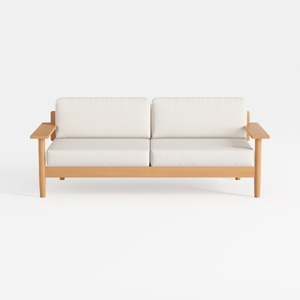

Minimalist Solid Oak Fabric Outdoor Loveseat Sofa 3D Model
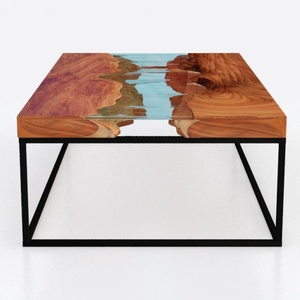
Modern Solid Wood Epoxy Resin Square Coffee Table 3D Model
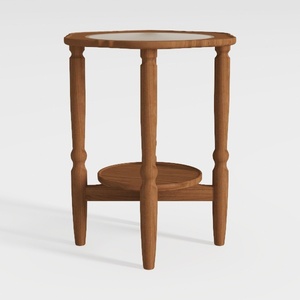
Minimalist Solid Wood Marble Top Round Side Table 3D Model
Looking to transform your space? Homestyler is your go-to online home design platform. With its user-friendly design tool, stunning 3D renderings, inspiring design projects, and helpful DIY video tutorials, you can effortlessly create and visualize the home of your dreams. Start designing today!
Design Now for FREE
































