

The future continually taps at the window, and I can already hear the hinges groan. Families increasingly seek both mobility and privacy, yet current designs often compromise circulation and sleeping comfort. Recent AIA housing surveys highlight a shift towards flexible multi-user areas as ownership dynamics evolve. In this context, an RV bunkhouse floor plan emerges as a compact system that perfects road life—integrating a spatial reasoning toolkit within wheels rather than traditional walls. Utilizing designs like Homestyler can help visualize these concepts effectively.
Rear Bunk Stack + Mid-Galley Spine
Design Logic: Rear bunks provide a serene end section, while the galley serves as the central hub—the heart of family activity remains vibrant, while the surrounding areas maintain tranquility. This aligns with the upcoming trend toward micro-zoning: a single unit capable of various configurations without interference.
Flow: Entry→mud area→galley node→dining area→bunk bay; the bathroom branches off the central spine, with the bedroom positioned at the front. This layout minimizes traffic during meal preparation and bedtime.
Sightlines: From the galley to the dining area, you maintain oversight of the entire rig; the bunks are visually separated by a short partition, providing privacy for children while keeping parents informed.
Storage: Drawers beneath the bunks function as long-term storage; overhead galley bins act as immediate storage solutions; and an exterior pass-through creates cold storage for seasonal items.
Furniture Fit: The dinette measures 40-44 inches in width and can convert to a sleeper without obstructing aisle space; bunks at dimensions of 28-30 inches by 72 inches ensure adequate space for bedding and safety rails.
Verdict: This design establishes a stable family core: meal preparation, homework, and sleep can all occur without interruptions over the next five seasons of travel.
save pin
Slide-Out Dinette + Corner Bunks
Design Logic: A slide-out expands living space at the campsite while compressing for travel. Corner bunks optimize sleeping arrangements and free up social space—future RVs will favor adaptable configurations over rigid designs.
Flow: Entry→sofa→dining area slide→corner bunks; the bathroom is conveniently located so that night trips don't disrupt living space.
Sightlines: When the slide is extended, a diagonal vista opens from the sofa through the window wall—similar to a UI reveal; the bunks, hidden behind a soft edge, ensure that clutter doesn’t dominate the view.
Storage: Corner cubbies serve as easily accessible storage; the bases of slide seats function as deep storage bins; a slim wardrobe acts as a reference for shared belongings.
Furniture Fit: A sofa that measures 68-72 inches clears slide mechanisms; bunk dimensions are trimmed to 70 inches to maintain exit routes and ladder usability within slide limits.
Verdict: This design embodies urban energy within a trailer: versatile when stationary, structured during travel—ideal for accommodating growth spurts and fluctuating gear needs.
save pin
Mid-Bunk Flex Cabin + Rear Lounge
Design Logic: The bunkroom is located centrally, akin to a server rack, minimizing noise, while the rear transforms into a panoramic lounge; tomorrow’s RVs resemble studios with integrated functionalities.
Flow: Entry→galley hub→flex cabin (bunks/desk)→rear lounge; the parents' suite at the front isolates sleeping spaces from late-night discussions.
Sightlines: Rear windows expand the view into landscape mode; the mid-cabin benefits from clerestory cutouts, allowing supervision without full exposure.
Storage: Convertible bunks lift to reveal vertical lockers; lounge ottomans store media; overhead compartments act as storage for soft goods.
Furniture Fit: The flip-up upper bunk accommodates a desk depth of 36 inches; the rear tri-fold sofa at 72-78 inches fits within window framing, ensuring glare management.
Verdict: A workspace during the day and a sleeping area at night—this layout is built for long-term adaptability for remote education, hybrid work, and creating lasting memories on the road.
save pin
Final Takeaway
An RV bunkhouse floor plan represents more than just sleeping spaces; it serves as a mobile interface where privacy, flow, and storage are constantly optimized. Across various designs—corner bunks, rear stacks, mid-cabin flexibility—the rig acts as software for family traditions, adapted to the pace of travel. The best bunkhouse layouts I create prioritize secure sleep, efficient movement, and intentional sightlines; in my experience, even the slightest changes can redefine the entire journey, especially when aided by tools like Homestyler to visualize and plan effectively.
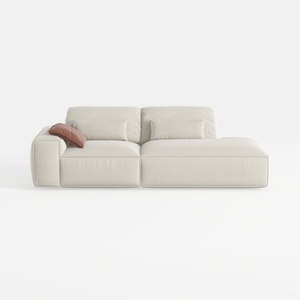
109" Cloud Sectional Couch - L Shaped Chenille Cou


Cream Boucle Floor Couch Sofa - Mid Century Modern
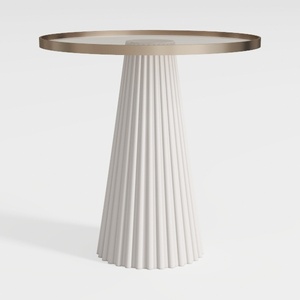
43" Wooden Round Dining Table, Mid-modern Circular
Homestyler is your go-to platform for turning home design dreams into reality. With its user-friendly online design tool, stunning 3D renderings, inspiring design projects, and helpful DIY video tutorials, you'll have all the resources you need to create your perfect space effortlessly.
تصميم الآن مجانا
































