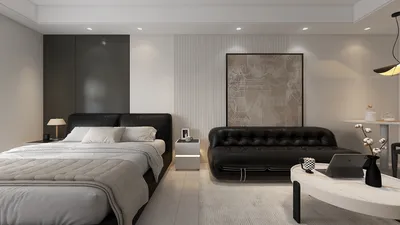


Having designed study areas for families, students, and remote employees for a considerable time, I've observed the influence of color—especially when it aligns with Vastu principles—on attention, tranquility, and endurance. Vastu Shastra highlights the significance of orientation, elemental harmony, and subtle energies; hence, color serves as a crucial tool for achieving that equilibrium. While every design context is unique, certain shades consistently enhance clarity, reduce cognitive load, and promote sustained task engagement. By using tools like Homestyler, you can visualize these color combinations easily.
From a performance perspective, insights from color psychology align well with Vastu's philosophies. Tones in the blue-green spectrum are linked to lower heart rates and enhanced cognitive control, whereas warmer neutrals provide comfort without causing overstimulation. Research by Steelcase indicates that environments that foster mental focus lessen distractions and enhance overall task efficiency; utilizing color zoning in open spaces can help create visual boundaries, thereby reducing perceived interruptions (Steelcase Research). WELL v2 also emphasizes the importance of managing glare and ensuring balanced lighting for maintaining circadian rhythms and visual comfort—key components of any effective color strategy—while tools like Homestyler can assist in planning these elements effectively.
North and East Study Rooms: A Focused Approach with Calm Colors
Vastu recommends the north and east orientations for study environments, attributed to their favorable light and encouraging energy. In these areas, I favor colors like soft blue, powder blue, and muted blue-green as the primary choices. According to VerywellMind, blue is linked with tranquility and concentration, making it ideal for complex cognitive tasks. Complement these with white or off-white trim to enhance visual clarity and create a bright contrast at the edges, providing the eyes with a chance to rest between focal points. A matte or eggshell finish helps prevent glare from morning sunlight, in accordance with WELL v2 recommendations for visual comfort.
Northeast: The Optimum Learning Zone
The northeast corner is often viewed as the most auspicious spot for studying according to Vastu. Here, I advocate for pale sage, misty aqua, or light celadon tones. These soft, low-saturation hues reduce visual distractions and enhance attention spans during prolonged reading sessions. Keeping the ceiling a crisp white helps in maintaining an illusion of height and openness, thereby diminishing cognitive fatigue. When arranging seating and storage along northeast walls, utilizing an interior layout planner like Homestyler can effectively aid in testing placements and traffic flow within your chosen color palette.
West Study Rooms: Energizing Warm Neutrals
West-facing rooms receive ambient light in the afternoon, which tends to warm the space. For these areas, I suggest colors like creamy beige, light taupe, or warm greige to balance out this brightness and minimize visual strain. These shades offer a grounded ambiance while avoiding dullness. You can introduce desaturated teal or cool gray accents behind the desk to maintain focus. For task-oriented walls, keep color saturation below 30% to limit overstimulation during intensive work.
South and Southeast: Harnessing Energy with Care
Rooms facing south and southeast tend to convey a more energetic atmosphere. The key is to utilize that energy wisely without fostering restlessness. Instead of opting for bright reds as primary wall colors, consider using subdued accents such as terracotta bookends or a muted clay feature on a shelf. Ground the room with balanced neutrals—such as bone white, light stone, or pale sand—then introduce small splashes of color through textiles. This method aligns with human-centered design principles: excessive chromatic intensity can lead to increased arousal and distraction during extended study sessions.
The Versatility of White, Off-White, and Light Gray
Vastu consistently endorses the use of white and off-white in study areas thanks to their cleanliness and neutrality. I usually recommend warm off-whites (rather than stark whites) to soften contrasts, particularly under LED task lighting. Keeping gray tones very light and leaning warm prevents the space from feeling cold or oppressive. These neutral backgrounds conveniently allow for the introduction of color through artwork, pinboards, or shelves without overwhelming the environment.
Strategic Accent Placement: Color in Your Study Space
Adopt a balanced color distribution: reserve 60% for the base (walls and ceiling), 30% for secondary details (storage and rugs), and 10% for accent pieces (chairs and desk accessories). Position accents in the visual margins—like on side walls or shelving—rather than directly behind the workspace. This minimizes micro-distractions while keeping the space dynamic. For east or northeast areas, introducing blue-green accents near the study desk subtly signals calm; whereas for west-facing spaces, a soft ochre or honey accent can uplift mood without escalating energy levels.
Lighting, Glare, and the Perfect Finish
Effective color treatment relies heavily on quality lighting. I recommend 3000–4000K LED light sources for study environments: warmer lighting (around 3000K) for comfort in the evening, and neutral tones (in the 3500–4000K range) for clarity during the day. According to WELL v2 guidelines, balanced light intensity and glare reduction enhance visual performance. Employ diffused ambient light, combined with a 34–45 cm offset task lamp to prevent reflective hotspots on semi-gloss paints. For rooms featuring glossy furniture, opt for matte wall finishes and textured fabrics to minimize specular reflections.
Acoustic and Material Choices: Amplifying Calm
Color’s effectiveness is heightened in quieter environments. Soft rugs, upholstered furniture, and fabric wall panels help reduce echo, fostering a tranquil mental environment. The materials selected also influence how colors are perceived: natural woods (like ash and beech) warm cool palettes, while brushed metals like steel or aluminum stabilize warmer schemes. Consistent lines and repeated color tones contribute to visual rhythm, preventing the eye from constantly searching for order.
Understanding the Psychology of Color for Enhanced Study Performance
Blues and blue-greens facilitate calmness and cognitive processing; soft greens aid in recovery and lessening mental fatigue; warm neutrals provide comfort without distraction. According to VerywellMind, highly saturated reds can heighten alertness and stress levels—best used for minor accents that encourage action rather than as dominant colors in study spaces.
A Practical Guide to Vastu Color Choices
Layout and Visual Harmony
The interplay of color and layout should fortify one another. Whenever possible, orient the study desk towards the east or northeast, with the main wall painted in a soothing color. Position shelves in lighter shades to minimize heavy visual weight. If experimenting with furniture orientations or daylight angles across various color schemes, using an interior layout planner like Homestyler can greatly expedite the process.
Ensuring Longevity and Easy Maintenance
Select washable matte or eggshell wall finishes for areas exposed to frequent touch. Avoid ultra-bright whites in dusty or high-pedic aspects as they already highlight marks more visibly. Keep accent colors adaptable (like cushions, pinboards, or chair upholstery) to allow for seasonal updates without the need for repainting.
Optimal Color Combinations for Study Environments
Frequently Asked Questions
Soft blues and blue-greens favored in the north and east directions pair well with white/off-white for a reliable foundation. These choices resonate strongly with Vastu’s focus on calm, attentive energy and the correlation of color psychology with concentration.
Absolutely, as long as you opt for a warm off-white in a matte or eggshell finish to avoid glare. Pairing with subtle accents will help maintain a pleasant visual atmosphere, adhering to WELL v2's guidelines for luminous comfort.
While red can boost urgency and alertness, it may diminish sustained concentration if overutilized. It’s best to reserve red for small accent pieces (like bookends or notice frames) rather than as primary wall colors to avoid cognitive overload, as suggested by color psychology.
Warm neutrals such as light taupe or greige balance the natural afternoon light effectively. You can incorporate a soft, low-saturation accent behind the desk to maintain focus during late study sessions.
Employing 3000–4000K lighting is essential for optimal study environments. The neutral white (around 3500–4000K) promotes clarity during the day, while warmer tones near 3000K enhance evening comfort. This ensures that colors remain true while minimizing visual stress, following recommendations from WELL v2.
Certainly—keeping ceilings white is crucial for maximizing perceived height and brightness. It also establishes contrast for the eyes to rest upon, thus aiding sustained concentration during longer study sessions.
Use light, tranquil neutrals as a base and limit warm accents to minor touches (like muted terracotta or clay). The aim is to create an environment with controlled energy that avoids agitation.
Desaturated greens at a pale saturation (like sage or celadon) excel in fostering relaxation and steady concentration, particularly in northeast sectors. They alleviate mental fatigue while infusing a sense of freshness into the space.
Position the desk towards the east or northeast whenever feasible, with focus walls adorned in low-saturation hues, while keeping bulkier storage out of the primary line of sight. To rapidly evaluate setups, utilize a room design visualization tool like Homestyler.
Opt for matte or eggshell finishes to minimize glare and preserve color softness. Semi-gloss can be reserved for trims, enhancing durability without introducing distracting visual hotspots.
AODK Electric L-Shaped Standing Desk, 59 Inch

GTRACING Glass Standing Desk with Drawers, 48×24

HARDURA Stainless Steel Table Prep & Work Table 24
Homestyler is your go-to online home design platform, perfect for transforming your vision into reality. Enjoy its user-friendly design tool, stunning 3D renderings, and a wealth of inspiring design projects and tutorials. Elevate your interiors effortlessly, regardless of your experience level!
Design Now for FREE
































