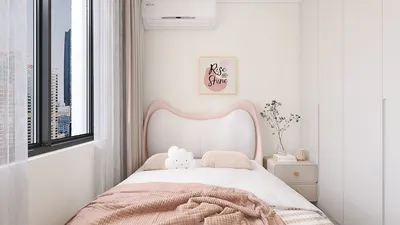


The vibrant hue of orange has always captivated me, bringing an optimistic and warm touch to a living room. When used thoughtfully, it can invigorate a space without overwhelming the senses. Achieving this balance hinges on proper pairing, proportion, and intentional lighting. A well-lit living area typically aims for ambient lighting levels of 200–300 lux, with brighter accent lighting reaching up to 500 lux for key features or artwork, in line with IES lighting recommendations. When orange harmonizes with neutral tones and minimizes glare, you create a lively yet comfortable environment. Utilizing tools like Homestyler can help visualize these combinations effectively.
Research in color psychology indicates that orange embodies enthusiasm and sociability, making it a fantastic option for communal spaces. As highlighted by Verywell Mind, warm colors like orange can evoke excitement and stimulation, which is why I often temper this hue with cooler tones or serene textures to prevent visual overload. Utilizing tools for room layout, I assess sightlines and seating patterns to ensure that vibrant orange elements fit seamlessly into the environment.
From my experience, orange shines best as a carefully calibrated accent, supported by favorable luminance ratios. Creating feature walls or utilizing textiles in a 2:1 brightness ratio compared to the surrounding elements helps guide the eye without causing discomfort. According to WELL v2 standards on visual comfort, it is essential to manage glare and maintain high color rendering; opting for lighting with a CRI of 90 or above helps keep orange tones authentic and refined. Below, I share effective strategies to create living spaces that are visually striking, comfortable, and designed for longevity.
Orange + Charcoal: Sophisticated Contrast
The grounding presence of charcoal contrasts beautifully with orange, instilling a modern, gallery-like atmosphere. I tend to choose a matte charcoal finish for expansive surfaces—like walls and built-ins—while incorporating orange through elements such as cushions, a low credenza, or an accent chair. Using warm white lighting in the range of 2700–3000K enhances the richness of orange without veering into neon territory. In elongated spaces, I always verify the positioning of furniture and focal walls using an interior layout design tool like Homestyler to prevent dark corners and excessive emphasis.
Burnt Orange + Cream: Cozy and Elevated
Burnt orange conveys elegance and an autumnal feel. Pair it with cream boucle, travertine, and brushed brass to infuse tactile warmth. To amplify acoustic comfort, use a woven rug and textured drapery that soften reflections from metallic elements. Layered window treatments that combine sheer and blackout options are essential to managing daylight glare, ensuring that the orange remains vibrant.
Terracotta + Sage: Earthy Balance
Terracotta’s natural depth pairs effortlessly with muted greens. Combining sage cabinetry with terracotta tiles or a painted accent wall creates a restorative ambiance. This color scheme thrives on natural materials—think rattan, oak, and unglazed ceramics. By employing a subtle 3000K cove light to wash over the terracotta surfaces, you emphasize texture while avoiding harsh bright spots.
Orange + Navy: Crisp, Graphic Energy
Navy adds a sense of structure and tranquility. I typically choose navy for millwork or a single accent wall, layering in orange through geometric prints and a standout lounge chair. The goal is balanced reflectance: a mid-value navy can be beautifully combined with orange accents against lighter backgrounds to create visual rhythm. Effective art lighting, at 400–600 lux, can showcase orange artwork without overpowering the navy's depth.
Soft Peach + Warm Wood: Airy and Friendly
Peach exudes a sunny, inviting vibe that complements walnut or white oak beautifully. Rounded shapes and cane webbing enhance the gentle atmosphere—spaces with softer designs tend to foster longer gatherings. Maintain a matte and low-gloss palette to minimize glare, utilizing diffused pendants and floor lamps to layer ambient and localized lighting effectively.
Tangerine + Black Accents: Minimalist Pop
In a minimalist setup, consider a tangerine sofa against quiet off-white walls, accented by black steel frames, streamlined lamps, and a monochrome rug. The contrast provided by black introduces clarity while off-white prevents overwhelming saturation. To maintain visual comfort, restrict the use of orange to 20–30% of visible surfaces, ensuring ample negative space for rest.
Orange + Gray-Greige: Balanced Neutrals
Greige brings an air of sophistication while remaining warm. I opt for a layered gray palette—light walls, medium-tone drapery, and a deep-hued rug—allowing orange to feature in pillows, throws, and art pieces. It's crucial to use high-CRI (90+) lighting to preserve the subtle undertones in the greige and ensure the orange appears genuine and lively without misrepresenting its hue. Additionally, consider how the color interacts with line-of-sight from the entry point to capture the orange focal immediately.
Marigold + Indigo Pattern: Bohemian Lift
Marigold textiles such as velvet cushions and embroidered throws add depth next to indigo patterns. Balancing complexity by maintaining consistent color proportions—small bursts of marigold throughout the space alongside a larger indigo presence like a rug or accent wall—ensures coherence. Utilizing materials like jute and recycled cotton supports both sustainability and textural comfort.
Lighting and Color Temperature: Keeping Orange True
Lighting temperature has a significant influence on how orange is perceived. Utilizing warm white lighting in the range of 2700–3000K maintains comfort and authenticity, as overly cool lighting can distort orange tones. A blend of ambient downlights accompanied by wall grazers and adjustable lamps offers versatility. Following IES guidelines, avoid excessive luminance contrasts that may incite glare by implementing diffusers, indirect lighting, and well-considered dimming techniques to enhance visual comfort.
Textures, Proportions, and Visual Balance
To make orange stand out, it’s best paired with varied textures and calming surroundings. Fabric choices like boucle, linen, and wool help mitigate saturation. Adhering to spatial ratios is essential: prioritize one dominant neutral, one secondary neutral, and a focus accent in orange. Distributing orange across three focal points creates a 'visual triangle', ensuring a balanced and engaging space.
Material Selection and Sustainability
Opt for low-VOC paints and sustainably sourced fabrics to maintain high indoor air quality over time. Natural fibers like wool, hemp, and cotton bring color to life and age beautifully. When considering leather or velvet in orange, focus on durable finishes and ease of cleaning; solution-dyed fabrics are suitable for high-traffic areas, being more resistant to fading from sunlight compared to regular dyes.
Acoustic Comfort and Behavioral Patterns
Orange naturally promotes a sense of sociability; to complement this energetic vibe, it’s vital to have measures in place for sound control to ensure conversations remain clear. Layering rugs, upholstered seating, and plush draperies can significantly reduce reverberation. For those who often host gatherings, consider creating seating clusters that facilitate face-to-face interaction, positioning two chairs across from a sofa with a rounded coffee table for balance. Using a layout simulation tool like Homestyler can aid in visualizing arrangements prior to making purchases.
Styling Moves That Make Orange Sing
- Establish a foundation with larger neutrals, such as off-white walls and drapery, alongside sizable rugs in pale gray or taupe.
- Incorporate orange at various scales: one primary piece (e.g., a sofa or a wall) plus two or three smaller accents (e.g., throws or art).
- Control gloss levels: utilizing matte walls, satin finishes for wooden elements, and low-gloss metals can minimize glare.
- Select artwork with orange accents to achieve cohesion in the entire palette.
- Balance warm tones with a dash of cooler blue or green to stabilize the overall warmth in the room.
Research Backing
Studies on color psychology affirm that orange’s energetic and social qualities are perfect for spaces geared towards gatherings. Furthermore, standards in workplace and environmental design stress the necessity of glare reduction and proper color rendering for overall visual comfort. For further insights into how warm colors, including orange, affect mood, review Verywell Mind’s analysis, and examine WELL v2's perspectives on aligned lighting solutions aimed at human well-being.
FAQ
Q1: How much orange should I use in a living room?
A: Aim to keep orange to about 20–30% of visible surfaces. Concentrate its use in one prominent element (like a sofa or feature wall) while mirroring it in two or three smaller accents to maintain equilibrium.
Q2: Which lighting temperature flatters orange best?
A: The ideal range is warm white lighting between 2700–3000K, which retains the depth and comfort of orange. Employing lamps with a higher CRI (90+) ensures the hue's authenticity.
Q3: What neutral colors pair reliably with orange?
A: Charcoal, greige, cream, and soft gray-green (sage) are excellent choices that help to ground the palette while allowing orange to remain the focal point.
Q4: Can orange work in small living rooms?
A: Definitely—opt for accents rather than fully painted walls. A compact orange chair or cushions coupled with artwork can offer impact without crowding the space. Be sure to assess the flow with an interior layout simulation tool before deciding on larger pieces.
Q5: How do I prevent orange from feeling too loud?
A: Achieve a balance by incorporating various textures and matte finishes, adding a cooler counterpart like navy or sage, and managing glare through layered lighting and thoughtfully designed window treatments.
Q6: What materials make orange feel high-end?
A: Luxe fabrics like burnt orange velvet, soft matte leather, terracotta, and brass can elevate the aesthetic. Pair these with natural fibers—like linen and wool—for added tactile richness.
Q7: Is an orange feature wall a good idea?
A: It can work beautifully when managed thoughtfully regarding proportion and lighting. Select a wall that receives even, indirect light and keep neighboring surfaces neutral to prevent overwhelming the visual experience.
Q8: How can I integrate patterns without chaos?
A: Opt for one dominant neutral pattern (such as a rug or drapery) combined with subtle orange-forward patterns in cushions. Repeating key tones throughout the room fosters a cohesive look.
Q9: Does orange affect mood during evenings?
A: In warm, dimmable lighting, orange exudes coziness and encourages social interaction. It’s important to have the ability to lower light levels for relaxed evenings while still providing task lighting where necessary.
Q10: What about sustainability with orange textiles?
A: Choose low-VOC finishes and solution-dyed, recycled, or natural fiber fabrics for durability and less fading. Whenever possible, opt for materials featuring third-party certifications to enhance sustainability.
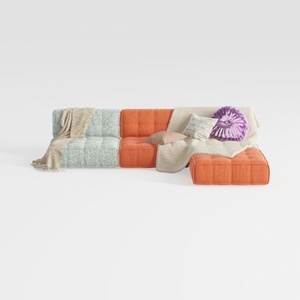

gaoyangjiaju Mid-Century Modern Modular Sectional
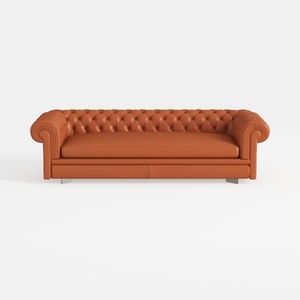
Large Sofa, Velvet Sofa Three-seat Sofa Classic
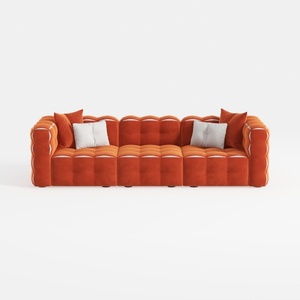
Alexent Oversized Fluffy Sofa Chaise Set 2 Pieces
If you're looking to transform your home effortlessly, try Homestyler! This user-friendly platform offers a powerful online design tool, stunning 3D renderings, and a wealth of design projects and DIY video tutorials to inspire your creativity. Perfect for any design enthusiast!
Design Now for FREE
































