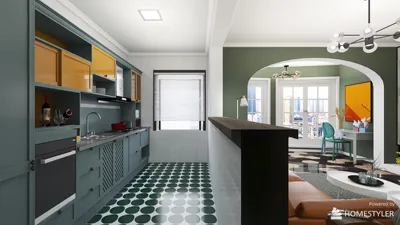


I've always felt that a living room should provide a sense of grounding, enhanced by materials that not only age beautifully but also create a serene, lasting atmosphere. Stone wall tiles fulfill this vision perfectly. They add visual depth and offer tactile authenticity, thermal retention, and acoustic stability to spaces that need to support everyday life.
The Case for Stone: Performance Meets Presence
Design decisions should be supported by tangible outcomes. According to WELL v2 guidelines, combining visual complexity with natural materials fosters cognitive comfort when this balance is achieved with clarity and rhythm (WELL Concept: Mind, v2). Research by Steelcase indicates that environments with biophilic elements—like textures and nature-inspired materials—can significantly enhance perceived wellbeing and focus in workspaces, which are increasingly merging with living spaces (Steelcase Research, 2023). These aren't merely theoretical; they manifest as quieter environments, consistent temperatures, and calming visual landscapes.
Lighting also plays a crucial role. The Illuminating Engineering Society suggests that ambient lighting levels in living areas should be around 100–300 lux, with task lighting reaching 300–500 lux as required (IES Lighting Recommendations). The matte or honed finishes of stone tiles help reduce glare, ensuring comfortable luminance ratios—especially in areas where daylight interacts with textured surfaces.
Choosing the Right Stone Tile: Tone, Finish, and Format
The color and texture of stone profoundly influence mood. As highlighted in Verywell Mind’s exploration of color psychology, warm neutrals convey safety and comfort, while cooler grays suggest calmness and moderation. Practically, warm limestone or travertine softens the evening glow, while cool slate balances bright daylight. Honed finishes minimize glare, and lightly textured surfaces introduce subtle shadow effects without adding visual clutter.
Choose tile formats that enhance the spatial rhythm. Large-format tiles (24×48 in or similar) promote a sense of expansive continuity in open areas; smaller pieces create a gentle rhythm on accent walls. Target a balance of 60/30/10% in tone, texture, and accent to prevent overwhelming the visual field. If you seek to check wall dimensions or furniture spacing, employing a room layout tool can simulate tile placements, viewing angles, and seating arrangements prior to finalization—consider using a room design visualization tool for this.
Light, Shadow, and Glare Control
The appearance of stone changes throughout the day. I maintain ambient light at about 200–300 lux, layering with warm-white (2700–3000K) light fixtures to ensure the material remains inviting post-sunset. Grazing light can enhance textures but should be utilized judiciously. When daylight is abundant, matte stone surfaces maintain luminance ratios under 10:1 across the view, which promotes visual comfort. For a more modern aesthetic, consider using cooler white light accents at 3500K to give definition to limestone or quartzite without crossing into starkness.
Acoustic Comfort and Thermal Behavior
The density of stone reduces mid-to-high frequency sound reflections on feature walls, particularly effective when combined with soft furnishings. In lively rooms—such as those used by children, or with musical elements—balancing stone elements with area rugs and upholstered chairs helps control sound reverberation. Additionally, the thermal mass of stone aids in moderating temperature extremes, absorbing heat during the day and releasing it gradually. In milder climates, this results in more consistent evening comfort without excessive strain on HVAC systems.
Human Factors: Sightlines, Reach, and Daily Use
Effective design honors human behavior. Position stone features within main sightlines (from seating areas to focal walls) and avoid placing them adjacent to high-glare televisions unless a specially low-reflective finish is chosen. Maintain clear passageways: 30–36 inches around coffee tables, and at least 18 inches between seating and side tables for comfortable access. If integrating stone with shelving or media units, ensure that joints align with shelf spacing to minimize visual distractions.
Installation Details That Elevate the Finish
The way in which you plan the layout is just as crucial as the materials selected. Test key courses by dry-laying them to ensure continuity in veining and color variation; book-matching on symmetrical walls can add aesthetic appeal. Specify narrow, color-coordinated grout (1/16–1/8 in) for a seamless appearance, or a slightly contrasting hue to highlight the rhythm of the modules. If you're considering alternative arrangements, prototype using an interior layout planner before installation—this can be achieved through a layout simulation tool.
Edge conditions significantly impact the success of the project. Utilize stone trims or mitred edges for clean transitions; incorporate electrical outlets with oversized backer plates to avoid awkward cuts. Remember to seal porous stones (like limestone or travertine) with breathable, stain-resistant sealers and consider using low-VOC products.
Material Selection and Sustainability
Select stones that come with clear provenance and evaluate their embodied carbon based on transportation. Whenever possible, I prefer regional stones and responsibly sourced materials. For high-traffic family environments, opt for denser stones such as quartzite that resist etching and staining; for cozier lounges, travertine brings warmth and texture. Pair these choices with FSC-certified wood and low-VOC finishes to maintain healthy indoor air quality.
Color Psychology: Setting the Emotional Tone
Earthy stone colors—such as sand, clay, and taupe—evoke a sense of safety and comfort, aligning with evidence suggesting that warm hues foster a feeling of security. On the other hand, cooler stone palettes can facilitate clarity and concentration, particularly in multipurpose living spaces that double as work areas. Maintain a restrained saturation and allow the texture to tell the story, which helps the eyes relax in environments where color and shape do not compete.
Trends 2024–2025: Understated, Tactile, Durable
Current trends in living room design emphasize understated luxury: honed surfaces, seamless seams, and thin-profile wall cladding that present a sculptural effect rather than ostentatious display. Subtle ribbed or fluted stone panels produce rhythmic shadows without aggressive patterns, while integrated linear lighting at low levels fosters a tranquil atmosphere, ideal for evening routines and conversational settings.
Maintenance: Keeping Stone Beautiful
Caring for stone is straightforward: use soft brush attachments for dusting, apply pH-neutral cleaning agents, and place coasters near areas where liquids may be present, especially on porous stone. Reseal honed limestone and travertine following the manufacturer's instructions. Monitor moisture sources—like plants, aquariums, and humidifiers—to prevent mineral staining at the base thereof.
Design Playbook: A Proven Living Room Scheme
- Feature wall clad in honed limestone with large-format tiles (24×48 in), utilizing tight grout joints.
- Ambient lighting calibrated to approximately 250 lux at 2700–3000K; consider dimmable wall washers to minimize glare.
- Upholstery crafted from tactile materials to balance acoustics; a wool rug aids in softening mid-frequency sound reflections.
- Low-profile media unit designed to align with tile joint placements; incorporate concealed cable management.
- Accent palette featuring warm metals and matte ceramics for a layered, non-reflective contrast.
Authority Resources
For further insights on occupant well-being, biophilic design elements, and lighting practices, consult resources such as the WELL Building Standard (v2) and IES lighting recommendations: WELL v2, IES standards.
FAQ
Not when stacked with care. The thermal properties of stone help stabilize room temperatures; pairing with warm lighting (2700–3000K) and textiles maintains comfort levels.
Quartzite and dense granites are highly resistant to staining and etching. Honed finishes are also better at concealing fingerprints compared to polished alternatives.
Utilize matte or honed stone tiles, position luminaires at shallow angles, and maintain ambient light levels around 200–300 lux, as recommended by IES.
Yes, the mass of stone materials diminishes flutter echoes along one side. Balance this effect by incorporating rugs, curtains, and upholstered furniture for a pleasant acoustic experience.
Large-format stone tiles minimize joint visibility, allowing you to align seams with the media unit and select low-reflectance finishes to reduce screen glare.
Porous materials like limestone and travertine should be treated with breathable, low-VOC sealers, while dense stones may require only occasional cleaning.
Simulate your sight lines, tile arrangements, and furniture clearances with a room layout tool to confirm proportions and joint alignments before execution.
Certainly. The natural variations in stone, along with tactile surfaces and subdued color palettes, reinforce biophilic elements that contribute positively to well-being, as highlighted in WELL v2 and workplace studies.
Maintaining a warm range of 2700–3000K for lighting ensures that limestone and travertine remain inviting. Cooler stone selections can match with 3500K accents for a fresh yet cozy ambiance.
Opt for lighter stone tones, narrow grout lines, and controlled grazing light effects. Typically, a singular feature wall suffices—keep adjoining surfaces gentle and minimalistic.
Employ mitred corners or stone trims to create clean transitions. Plan electrical outlet placements carefully to avert any unintentional tile cuts.
It varies based on sourcing and transport methods. Choosing regional stones from responsible quarries can yield competitive options; it's crucial to assess embodied energy and longevity.

Modway EEI-6401-IVO Oasis Upholstered Fabric Sofa,
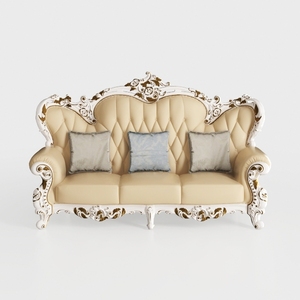
Acme Libertee Upholstered Loveseat with 3 Pillows
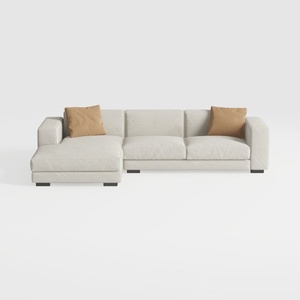
LINSY HOME Oversized Cloud Modular Couch with
Homestyler is your go-to online home design platform! With its user-friendly design tool, realistic 3D renderings, and a wealth of design projects and video tutorials, you can effortlessly create and visualize your perfect living space, regardless of your experience level. Start transforming your home today!
Design Now for FREE
































