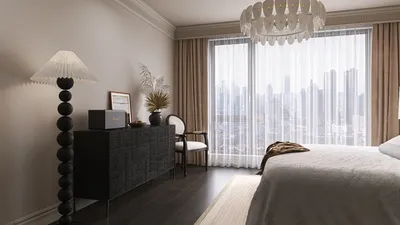


For over ten years, I have been planning and designing weddings throughout Chennai, and I'm continually amazed by Mogappair's unique blend of accessibility, serene residential areas, and top-notch banquet facilities. When it comes to selecting a marriage hall in this vibrant community, the focus shifts away from extravagant décor and zeroes in on how elements like space, lighting, acoustics, and logistics harmonize to create a comfortable environment for guests and ensure your event runs smoothly. A tool like Homestyler can be invaluable for visualizing these elements in advance.
Comfort and mobility are fundamental factors that significantly affect how we experience events. The WELL Building Standard highlights that aspects such as lighting quality, thermal comfort, and acoustic management have measurable impacts on wellbeing. The Light concept specifically points out that illuminance levels of around 300–500 lux are ideal for social interactions, helping to minimize eye strain and elevate mood. Research from Steelcase illustrates that environments designed with attention to noise levels and supportive layouts tend to enhance satisfaction while reducing fatigue. This knowledge informs my analysis of venues in Mogappair, ensuring they align with these performance benchmarks.
Efficient layout is crucial from the very start of the baraat until the last plate is cleared. Gensler's studies on spatial circulation emphasize that clear paths reduce congestion and the feeling of overcrowding. For weddings, this translates to unobstructed service routes, a well-defined aisle, and dining arrangements that allow for an unobstructed view of the stage. An intuitive floor plan leads to fewer interruptions, improved photography opportunities, and smooth vendor operations—all elements that can be effectively designed using tools like Homestyler.
What Constitutes a Great Marriage Hall in Mogappair
• Capacity and proportions: Evaluate not just the total number of guests but also the room’s width-to-length ratio. Narrow halls can obstruct views of the stage; ideally, a ratio of approximately 1:1.5 to 1:2 enhances the space and facilitates aisle planning. For gatherings of 300–500 guests, aim for 9–11 sq ft per seated guest, accounting for circulation, with an additional 15–20% for buffet setups and live food stations.
• Lighting: Focus on a layered lighting scheme—ambient lighting of 300–500 lux, accent lighting at the stage between 700–1000 lux, and glare-controlled fixtures above dining areas. Using warmer white lighting (2700–3000K) enhances skin tones in photographs; ensure the Color Rendering Index (CRI) is above 90 to accurately reflect colors of flowers and fabrics. Dimmable lighting systems allow a seamless transition from ceremony to reception, minimizing visual strain.
• Acoustics: Look for venues equipped with acoustic ceiling tiles (NRC 0.7+) and soft surface materials around the edges. For DJs, sound pressure levels should reach a maximum of around 95 dB near the console, while the reverberation time should ideally be maintained between 0.8–1.2 seconds in larger spaces to support clarity in speech.
• HVAC and air quality: Ensure that air handling is separate for the kitchen and the main hall to prevent any odors drifting into guest areas. The WELL Standard for thermal comfort recommends temperatures between 22–24°C, suitable for varied attire, so do check fresh air rates and filtration during your venue tours.
• Back-of-house logistics: A dedicated service entrance and corridors of 1.5–2.0 m widths can significantly alleviate vendor congestion. Providing two holding rooms (one each for the bride and groom) close to the stage with restroom access saves time and effort on the event day.
• Accessibility and parking: While Mogappair’s main roads facilitate access, it’s critical to confirm turning radii for larger vehicles and ensure at least 1.2 m wide ramps are available. Valet services should not obstruct the foyer area.
Guide to Match Hall Types with Your Wedding Style
• Classic banquet halls: Best suited for traditional designs, elaborate multi-course meals, and larger gatherings. Choose venues with high ceilings (around 5.5–7 m) to accommodate structures like the mandap and decorative elements.
• Boutique community halls: Perfect for smaller events, cultural nights, or receptions with fewer than 250 guests. Look for adaptable spaces that allow for a smooth transition between ceremony layouts and dining setups.
• Lawn plus hall combinations: If a lawn is part of the venue, consider using it for a cocktail session before moving to the air-conditioned hall for the meal. During visits, verify the lawn's drainage systems and requirements for temporary flooring if a dance floor is planned.
Effective Layouts That Facilitate Your Event's Flow
An effective plan streamlines the guest experience: arrival → welcome → ceremony → photos → dining → departure. To visualize seating configurations, aisle sizes, and buffet setups in advance, utilizing a room layout tool can significantly aid simulation: room layout tool. I typically model aisles to be 2.4–3.0 m wide for main access, 1.5 m around buffet stations, and ensure at least 1.2 m between dining rows for ease of service.
Lighting That Enhances Guests and Photos
For the stage, combine warm wash lights (3000K) with customizable spotlights to highlight rituals. Keep lighting fixtures positioned off-axis to prevent harsh shadows beneath canopies. Dining areas become inviting with 2700–3000K pendant lighting or indirect sources; include flicker-free dimming and shun exposed filament lights in busy areas. Photographers appreciate high CRI and consistent color temperatures, which reduce the need for post-editing, providing ample time for coordination with the audiovisual team.
Acoustic Comfort That Preserves Atmosphere
Map speaker placements to focus on the dance floor, not dining spaces. Request an acoustic demonstration: conversations should be clear at distances of 15–20 m without echo. Incorporating plush seating, fabric runners, and soft backgrounds effectively mitigates echo. For live music or traditional performances like nadaswaram, designate a specific monitoring area and avoid placing subwoofers near thin walls to limit sound leakage.
Materials and Décor That Perform Well
Select flame-proof drapery and ensure loading capacity for any decorations suspended from trusses. Floral arrangements should be resilient at temperatures of 22–24°C—orchids and chrysanthemums are great choices. For environmentally friendly practices, prioritize items that can be reused, energy-efficient LED lighting, and rental items, while minimizing single-use plastic at refreshment stations.
Pre-Booking Essentials for Venues in Mogappair
• Validate the actual capacity through banquet-style mockups rather than relying solely on theater-style setups.
• Inspect restroom facilities, bridal suites, and verify kitchen segregation.
• Confirm power supply: at least 100–150 kVA for comprehensive audiovisual and catering services during larger receptions; inquire about backup generator specifications.
• Assess the load-in conditions: check the sizes of lifts, incline angles of ramps, and availability of exclusive vendor areas.
• Schedule a detailed timeline coordination meeting with the venue manager to clarify plans.
Sample Floor Plan Strategy for 350–450 Guests
• Stage: Place it centrally on the shorter wall to optimize viewing angles; ideally 9–12 m wide with side areas for photography.
• Seating: Design circular clusters of 8–10 per table; maintain 1.5 m service aisles between every third row.
• Buffet: Position parallel islands close to the kitchen; ensure a separate area for cold desserts to minimize mixing of lines.
• Ritual setup: Designate a preparation zone behind the stage with direct access to the bridal suite for ease.
• Children’s area: Incorporate soft flooring and acoustic partitions towards the back, distant from electrical lines.
Vendor Collaboration and Scheduling
Secure your audiovisual, decor, and catering vendors with a unified plan. Stagger the setup: prioritize décor first, followed by AV installations, and then catering arrangements. Allocate 60–90 minutes for sound checks while reserving 30 minutes for lighting adjustments. Ensure there is a 45-minute buffer before guests arrive to clear any equipment and reset the entry area.
Budget Considerations and Smart Spending
Direct a larger portion of your budget towards acoustic treatment and reliable power supply, as these elements are more crucial than overly ornate decorations. A solid audio experience and stable electricity substantially enhance the event; the cost of lighting rentals and technicians is minimal compared to the comfort and photographic impact they deliver.
Local Insights on Navigating Mogappair Logistics
Traffic tends to be lighter in early afternoons; aim for guest arrival times that avoid overlap with school dismissal periods. If multiple ceremonies are planned over several days, consider designating one central venue in Mogappair, while having nearby locations for other events to minimize travel fatigue.
Expert Resources
For designers and couples seeking performance metrics, delve into WELL v2 guidance covering lighting, thermal comfort, and acoustics, and explore Steelcase’s studies on spatial comfort and behavior at Steelcase Research. These insights help translate the concept of “good vibes” into tangible standards when comparing different halls.
Frequently Asked Questions
Q1. What is the recommended space per guest for seated dining?
Aim for about 9–11 square feet per guest, which includes circulation space; increase this by 15–20% if incorporating buffet islands and live food stations.
Q2. What lighting color temperatures are best for wedding photography?
Utilize 2700–3000K in general dining areas and ambient settings, with 3000K accents for the stage. Maintain a high CRI (≥90) to ensure accurate color representation.
Q3. How can I manage noise while keeping the dance floor lively?
Direct speaker arrays to project sound towards the dance floor, incorporate soft materials around dining spaces, and maintain sound levels near the console below ~95 dB. Aim for reverberation times around 0.8–1.2 seconds in larger venues to optimize acoustics.
Q4. What aisle dimensions prevent bottlenecks during ceremonies and photographs?
Establish main approach aisles at 2.4–3.0 m and service lanes of 1.2–1.5 m to facilitate smooth passerby movements for both guests and staff.
Q5. Should I factor in ceiling heights?
Yes. Clear heights of 5.5–7 m are ideal for supporting mandap constructions, ensuring good air circulation and optimal lighting angles to reduce glare.
Q6. How far in advance should I book vendors in Mogappair?
It’s advisable to confirm décor and AV vendors six to eight weeks prior; catering can follow once guest counts are established. Arrange a joint site visit to align on power requirements, load-in considerations, and backstage routes.
Q7. What HVAC settings optimize guest comfort?
Aim for temperatures between 22–24°C while ensuring balanced airflow. Keep kitchen exhaust and main hall air supplies distinct to prevent odor crossover.
Q8. Is it practical to use a lawn-hall combination during humid months?
Yes, provided there is adequate drainage, temporary flooring, and air-conditioned transitions indoors. Limit outdoor activities and move dining inside as necessary.
Q9. How can I avoid glare affecting the mandap?
Employ off-axis warm wash lighting, shield direct beams, and introduce soft backlighting. Test lighting angles during rehearsal to adjust as needed.
Q10. What power capacity should a venue have for a medium-sized reception?
For comprehensive AV capabilities and catering services, a power supply of 100–150 kVA with a backup generator is advisable. Confirm distinct circuits for the stage and kitchen.
Q11. Can I visualize my seating and buffet layouts before finalizing a booking?
Certainly. Use an interior layout planner to organize tables, aisles, and service routes, which can be shared with vendors for better collaboration: interior layout planner.
Q12. What sustainable practices can be adapted for wedding venues?
Incorporating LED lighting, reusable décor items, minimizing reliance on single-use plastics, and optimizing HVAC scheduling can significantly reduce your environmental footprint while maintaining an elegant atmosphere.



If you're looking to revamp your space, try Homestyler! This user-friendly online design platform offers a powerful design tool, stunning 3D renderings, a variety of inspiring design projects, and helpful DIY video tutorials. It’s your go-to for transforming your home effortlessly!
Design Now for FREE
































