

Quick Overview
- Sandstone is known for its durability, requiring minimal maintenance, and it can endure severe weather if adequately sealed.
- The natural insulating qualities of sandstone assist in temperature regulation, enhancing energy efficiency.
- Although sandstone may come at a higher cost compared to other materials, it necessitates professional installation to prevent issues such as cracking or water damage.
Renowned for its natural elegance and resilience, sandstone is a favored choice for exterior walls. It can significantly enhance a building's aesthetic appeal, providing a rustic charm that complements a range of architectural designs. With a variety of colors and textures available, homeowners can personalize their exterior appearance. Nevertheless, there are important factors to consider when deciding to use sandstone for your home’s exterior walls.
Advantages of Sandstone for Exterior Applications
One of the primary benefits of incorporating sandstone is its remarkable durability, enabling it to handle extreme weather conditions effectively, making it an exceptional option for exterior uses. Additionally, sandstone requires relatively low maintenance compared to many alternatives. When sealed properly, it is resistant to stains and moisture intrusion, helping your walls maintain their beauty over time. Furthermore, the inherent insulating properties of sandstone play a role in regulating temperature, which bolsters energy efficiency.
Factors to Consider Before Selecting Sandstone
Despite the numerous advantages sandstone presents, it's crucial to evaluate aspects like cost and installation. Sandstone often comes with a higher price tag than some other options, so careful budgeting is essential. Moreover, correct installation is vital to avoid complications such as cracking or water damage. Engaging an experienced professional can significantly enhance the likelihood of a successful project when working with sandstone.
Frequently Asked Questions
Is sandstone suitable for all climates? Yes, sandstone adapts well to a variety of climates; however, it is important to select the appropriate type aligned with local weather patterns.
How frequently should sandstone be sealed? It is advisable to seal sandstone every few years to preserve its appearance and protect it from moisture damage.
Explore stunning designs at Homestyler
What began as an Autodesk innovation has evolved into a design platform used by more than 18 million people around the globe. Homestyler combines powerful rendering, an intuitive editor, and a vast furniture library to help you turn inspiration into photorealistic designs — whether you're redesigning a single room or planning an entire home.
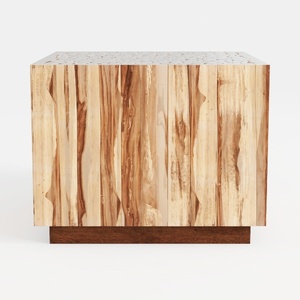

Minimalist Solid Wood Accent Cabinet with Textured Top 3D Model

Minimalist Terracotta Concrete Round Side Table 3D Model

Modern Velvet Oak Upholstered Banquette Bench 3D Model
Homestyler is the ultimate online home design platform for anyone wanting to transform their space effortlessly. With its easy-to-use design tool, stunning 3D renderings, diverse design projects, and helpful video tutorials, you can turn your home ideas into reality—regardless of your experience level!
Design Now for FREE
































