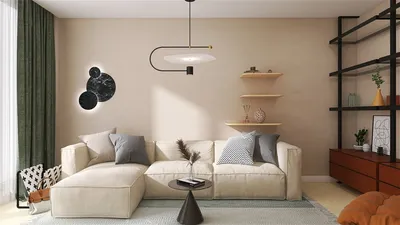


Jasmine brings a serene and sunny essence to any interior space, but achieving a genuinely fresh feel requires more than just a delightful aroma. With over a decade of experience implementing scent programs in various environments, including residential homes and boutique hotels, it is clear that the optimal results stem from a careful balance of fragrance placement, airflow, lighting, and materials to mitigate unwanted smells. According to research from Steelcase, factors such as air quality and scent significantly influence well-being and productivity in workspaces; these findings also apply to home settings. Similarly, the WELL v2 framework links olfactory comfort with comprehensive indoor air quality strategies, advocating for sufficient ventilation, effective filtration, and odor source management to promote healthier living conditions.
Design decisions backed by data are important. The WELL v2 guidelines suggest that ensuring adequate outdoor air influx and strategic exhaust in areas prone to odors enhances overall freshness and cleanliness when used alongside low-emitting materials. Studies conducted by Gensler show that the quality of the environment, especially fresh air, is a key factor in user satisfaction. Fragrance should act as a complement to good ventilation, rather than a cover-up for it. When using Odonil Jasmine as a scent, think of it as a finishing touch over a solid foundation of indoor air quality, emphasizing air circulation, natural light, and material selections.
Contextualizing Odonil Jasmine in Design
Odonil Jasmine serves as a consumer air freshener that offers a timeless floral scent profile, featuring bright top notes, a rich middle, and a soft, clean finish. It should be applied subtly as an ambient layer rather than as an overpowering fragrance. My goal is to achieve a barely noticeable presence that guests can only detect when moving from a hallway into a room. Excessive fragrance can lead to scent fatigue and negatively affect the perception of cleanliness. To keep things balanced, it is more effective to use multiple low-intensity fragrance sources rather than a single strong one and to refresh them according to the manufacturer’s recommendations to prevent fluctuating scent experiences.
Strategic Placement: Consider Zones, Height, and Air Circulation
Position air fresheners where air naturally flows—close to return vents, near doorways, and in areas of gentle circulation—while ensuring vents are not obstructed. Focus on high-odor areas such as entryways, bathrooms, and kitchens. Aim to mount or place devices at a height of 1.2 to 1.5 meters, allowing the scent plume to reach nose level when individuals are standing and then disperse evenly throughout the space. Avoid placing devices too close to dining areas and workspaces to minimize distraction.
When exploring various layouts or simulating airflow around furniture and partitions, consider using tools like Homestyler to visualize movement and identify stagnant areas: room layout simulation tool. A slight adjustment in the arrangement of a console or curtain can significantly alter the direction of air and scent distribution, often in surprising ways.
Air Quality and Illumination: Allies in Creating Freshness
A pleasing fragrance is best perceived in quality air. Combine Odonil Jasmine with regular window ventilation and balanced mechanical airflow. In spaces like kitchens and bathrooms, continuous or demand-controlled exhaust is essential. Lighting is critical as well: I maintain ambient lighting of 2700–3000 K in lounges and bedrooms to enhance the calming nature of jasmine, while using 3500 K task lighting in kitchens to prevent floral aromas from clashing with food scents. Controlling glare is vital; overly bright lights can subconsciously suggest a stale environment, undermining the tranquility that jasmine aims to provide. Refer to IES illuminance guidelines for appropriate lighting baselines according to different tasks and areas.
Selecting Materials That Minimize Odor Retention
High-pile textiles and dense rugs tend to harbor cooking and pet odors. Where it's financially feasible, choose removable and washable covers for couches and cushions, utilize performance textiles in kitchens, and select sealed millwork for storage. Use easily cleaned flooring in entry areas and incorporate boot trays. A jasmine scent will be more authentic when paired with neutral substrates; otherwise, the result can be a muddled mix. For eco-friendly options, focus on low-VOC paints, Greenguard-certified finishes, and natural fibers with tight weaves, which allow for less absorption and quicker airing out.
Purposeful Scent Layering with Jasmine
Combine jasmine with only one complementary scent per room. In bedrooms, try pairing it lightly with linen or cotton sprays; in living rooms, a hint of citrus can brighten the jasmine’s floral notes; while spa-like bathrooms may benefit from subtle touches of green tea or neroli. It's best to keep kitchens unscented overall—fresh basil on the countertop is preferable while cooking. The objective is to create a seamless scent journey across spaces: transitioning from the bedroom to bathroom to closet should feel coherent rather than like a random selection of fragrances.
Considering Human Factors: Sensitivity and Thresholds
Human noses tend to dull quickly; after spending 15-20 minutes in a space, individuals may stop noticing the previous fragrance. However, guests are likely to catch the scent as they enter. Focus on making an impression during that initial 30 seconds: place a subtle scent source near the entrance or along airflow paths. Additionally, provide scent-free zones for individuals with sensitivities—consider establishing a no-fragrance study corner or a perimeter for dining areas. Keep the overall scent intensity low, as fragrances should not be used to mask lapses in cleaning.
Regular Maintenance: Ensuring Freshness While Eliminating Staleness
Follow the product refresh schedule, but also read the space: when the scent becomes sharp or inconsistent, it’s time to replace the unit instead of layering additional fragrance. Dust the device during routine cleaning; clogged vents can hinder scent diffusion. Ventilate spaces after significant cooking, pet grooming, or renovations before reintroducing jasmine. If odors linger, identify and tackle their sources—such as drains, refrigerator seals, or soft furnishings—before adding fragrance on top.
Strategies for Small Spaces: Apartments, Powder Rooms, and Closets
In tighter areas, employ a micro-dosing approach. Typically, one fragrance unit near the entrance and another close to the return airflow is sufficient. Use door undercuts or transfer grilles to prevent stagnant areas. Be mindful that mirrors and heavy drapery can trap scent; consider using a fan on low settings to maintain gentle air movement. In closets, avoid placing fragrance units directly on fabrics—position them near the door header to scent the air without saturating clothes.
Acoustic Elements and Perception: Soothing Scents
Sound and scent perception are interconnected. Noisy, reflective environments can feel more “intense,” making fragrances seem sharper. Adding soft, sound-absorbing materials like rugs, upholstered panels, and curtains can enhance the room's acoustic balance. When reverberation is controlled, the jasmine scent profile should feel more mellow and harmonious.
Seasonal Adjustments for Optimal Scent
In spring and summer, focus on ventilation and use lighter scents, since warmer air can amplify fragrance perception. Conversely, in autumn and winter, feel free to increase the intensity slightly while keeping humidity levels balanced to avoid overly dry air that can make floral scents feel harsh. Adjust lighting accordingly, as warmer color temperatures in winter complement jasmine's gentle essence.
Safety Guidelines and Best Practices
Position fragrance units away from heat sources and out of children's or pets' reach. If anyone reports sensitivity, promptly remove the unit and boost ventilation. Never rely on fragrance to disguise poor air quality; prioritize filtration and ventilation first, then apply the finishing touch for a fresh ambiance.
Quick Setup Checklist for Optimal Scents
FAQ regarding air-freshening strategies
Aim for a subtle hint of scent that is perceptible upon entry but quickly fades into the background. Utilize two low-intensity sources instead of one overpowering unit for better balance.
Position units close to a doorway or along a light airflow path, approximately 1.2 to 1.5 meters above the ground, and away from dining or direct seating areas.
Yes, maintain kitchens with minimal fragrance and rely on exhaust ventilation and fresh herbs instead. Reintroduce jasmine lightly in adjacent spaces.
Use warm ambient lighting between 2700 and 3000 K for bedrooms and lounges while managing glare. Consult IES standards for specific task lighting requirements.
Fragrance can enhance the perception of freshness, but well-being relies heavily on effective ventilation, filtration, and source management, as highlighted by WELL v2 as core strategies.
Follow the recommended refresh timeline, but also trust your senses—if the fragrance becomes sharp or uneven, it's time to replace it rather than layering more scent.
Opt for low-VOC paints, sealed millwork, washable textiles, and tightly woven natural fibers that resist trapping odors.
Ensure that scent-free zones are designated—like study areas or dining spaces—and maintain a low overall scent intensity while ensuring regular ventilation.
Indirectly. Quieter rooms are perceived as calmer, which allows floral designs such as jasmine to come across more smoothly. Adding soft finishes can help reduce sound reflections.
Adopt a micro-dosing approach and place fragrances near the door header to ensure airflow facilitates even scent distribution without pooling in fabric areas.
Yes, but keep it minimal—consider using complementary scents like citrus in living rooms or soft notes like neroli or green tea in bathrooms. Avoid combining more than one accent scent at once.
Ventilate after cooking, cleaning, or during high-occupancy times. Refresh the air first, then introduce jasmine to deliver a subtle finishing touch.



Discover your creativity with Homestyler! This user-friendly online home design platform allows you to effortlessly visualize your ideas with 3D renderings, explore inspiring design projects, and follow DIY video tutorials. Transform your space into a dream home today—no experience needed!
Design Now for FREE
































