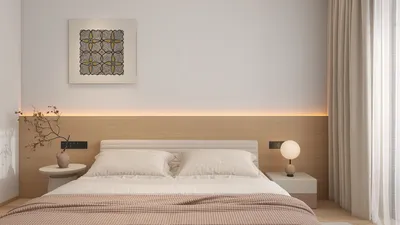


PVC wall design has emerged as a stylish choice for living rooms, providing both aesthetic appeal and durability without complicating maintenance. I appreciate PVC for its sleek lines, lightweight nature, and diverse finishing options, which range from matte and textured to glossy panels that replicate the look of stone or wood. This material is especially suited for homes with higher foot traffic, pets, or humidity, where traditional paint and wallpaper would demand more upkeep.
Performance insights reinforce the growing popularity of PVC. The WELL v2 standard emphasizes the importance of low-emitting materials for healthier indoor environments. Many PVC panel options now comply with strict VOC regulations, especially when sourced from trustworthy suppliers, contributing to reduced indoor air pollutants. According to Steelcase research, clear visuals—like tidy surfaces and minimized clutter—can enhance focus and create a sense of calm in multifunctional living areas. For an in-depth exploration of health benefits and space layout impacts, refer to WELL v2 guidelines at wellcertified.com and the Steelcase research at steelcase.com/research.
Understanding PVC Wall Panels
PVC (polyvinyl chloride) panels are engineered boards, typically featuring tongue-and-groove edges to form seamless installations. They resist moisture well, are easy to clean, and are significantly lighter than options like gypsum or MDF. Personally, I often select PVC for living rooms that require cost-effective accent walls, integrated LED lighting, or surfaces that will face the risk of scuffing.
Design Aesthetics: From Minimal to Bold
Contemporary living areas thrive on a concept of clarity and balance. Matte PVC in warm neutral shades offers a serene backdrop, while ribbed or fluted designs can introduce texture and subtle interplay of shadows. High-gloss PVC can enhance natural light, making it an advantageous choice for spaces with limited daylight. Color theory indicates that desaturated earth tones can induce relaxation, while softer blues and greens alleviate stress—an ideal attribute for multifunctional living environments.
Lighting Environment and Glare Control
The relationship between lighting and PVC is crucial. High-gloss panels require careful glare management, often achieved through diffused lighting and warm color temperatures (ranging from 2700K to 3000K) to create a comfortable evening ambiance. I prefer indirect LED installations that gently illuminate textured PVC surfaces, producing micro-shadows that enhance visual depth while avoiding glare. The IES suggests that living areas typically feel best with an ambient light level of 100-300 lux, with additional task lighting layered in as necessary; PVC's reflective characteristics can subtly improve perceived brightness without additional light fixtures.
Acoustic Comfort
Traditional PVC has reflective properties that can amplify echoes in sparsely furnished spaces. To counteract this, I incorporate soft rugs, cushioned seating, and acoustic art panels within the decor. Textured PVC that is either fluted or perforated with sound-absorbing backing can help manage mid-to-high frequency echoes. In larger living spaces, alternating solid PVC sections with fabric-wrapped areas can achieve a more balanced sound experience.
Ergonomics and Human Factors
The design of walls influences movement, sightlines, and overall behavior. Vertical fluting can guide the eye upward, creating an illusion of taller ceilings, while horizontal banding can visually broaden narrow spaces. I steer clear of overly busy patterns behind TVs to minimize visual distractions and eye strain, particularly during evening viewing sessions when contrast levels may be heightened. Rounded PVC trims at corners smooth out edges, minimizing bump risks in tight pathways.
Smart Layout Integration
PVC shines brightest when integrated into a well-thought-out plan. Before installing panels, I assess seating arrangements, TV placements, and traffic patterns to pinpoint where an accent wall might enhance the design without overwhelming the space. Utilizing an interior layout planner or a room design visualization tool helps to craft panel patterns that harmonize with furniture arrangements and circulation paths.
Material Selection and Sustainability
Opt for low-VOC PVC and verify adherence to recognized emission standards. Pair PVC with certified adhesives and trims to minimize off-gassing effects. Whenever feasible, choose recyclable PVC or work with suppliers offering take-back initiatives. I frequently combine PVC with FSC-certified wood shelves to enrich the color palette and elevate overall quality perception.
Detailing: Joints, Trims, and Profiles
The quality of seams greatly affects the final appearance. Tongue-and-groove edges help conceal joints, while slender aluminum or color-coordinated PVC trims finish corners and outlets seamlessly. I ensure that panel joints align with architectural features—like door tops, media console edges, or window frames—to maintain a cohesive flow. Considering spacing of 3–6 mm between panel groups can establish a subtle shadow line that conveys an upscale feel.
Color Strategy for Living Rooms
When it comes to color, I approach it in layers: starting with a base tone, followed by accents and contrasts. A warm gray base of PVC alongside a muted terracotta accent can create a balance of comfort and modernity. In compact spaces, it’s wise to keep the base light and introduce color through smaller PVC elements or millwork to prevent overwhelming the environment. Insights from Verywell Mind's color psychology suggest that blues and greens can mitigate stress, promoting a calm living area, especially in open-plan designs.
Lighting Integration: LED and Washes
Incorporating LED strips within panel reveals allows for subtle washes of light without visible fixtures. A warm color temperature of 2700K to 3000K contributes to relaxation, while dimmer switches facilitate a smooth transition from social activities to winding down. Care should be taken to avoid intense downlighting directly above glossy PVC to reduce glare. I prefer wall grazers angled at 10–20 degrees to highlight texture without creating hot spots.
Maintenance and Durability
The non-porous surface of PVC is resistant to stains and can be easily cleaned with mild soap. It possesses greater durability against cracking compared to plaster and handles humidity well, making it a reliable choice in varied climate conditions. For households, I generally select mid-sheen finishes that provide both stain resistance and lower glare levels.
Budget Planning
PVC proves to be a cost-effective alternative when compared with stone facades or custom millwork. It's advisable to allocate budget resources towards impactful areas such as a media wall or prominent features at entry points, while keeping secondary walls simpler. Strategic detailing—including clean trims and aligned joints—can achieve a high-end appearance without incurring substantial material costs.
Installation Notes
Begin by ensuring the substrate is flat and dry. Mechanical fixing with hidden clips secures the panels while allowing for future modifications. Seal edges in humidity-prone areas. Planning cable management behind media walls helps avoid retrofitting issues that could potentially damage trims.
Small Living Rooms
In smaller spaces, I recommend using light-colored PVC along with vertical patterns to create an impression of higher ceilings. Controlled patterns are key; typically, one accent wall suffices. Consider integrating shallow shelving within the panel systems to provide storage without adding visual clutter.
Large and Open-Plan Living Rooms
For larger living areas, distinct zones can be created using varied textures: a fluted PVC backdrop in the lounge area and a smoother variant behind dining spaces. Maintain consistent lighting temperatures—a warm tone for the lounge and a neutral-warm for dining—to ensure overall visual harmony.
Common Mistakes to Avoid
An excessive shine across the entire room may lead to glare problems. Neglecting acoustic design can create an unpleasant sound environment. Misaligned joints can convey a lack of craftsmanship. In smaller rooms, opting for dark PVC finishes can feel overly heavy unless countered with ample light.
Frequently Used Profiles
• Flat matte panels: versatile and minimalistic. • Fluted/ribbed panels: add texture and create vertical lift. • High-gloss panels: reflective, ideal as accent pieces. • Perforated panels with acoustic backing: combine sound management with style.
FAQ
Select low-VOC PVC along with compatible adhesives. The WELL v2 guidelines promote low-emission materials; many contemporary PVC products meet these benchmarks, making them appropriate for residential areas.
Choosing glossy or light-colored PVC can enhance perceived brightness due to its reflective nature. Pair with diffuse lighting to maintain comfort while avoiding glare.
Incorporate textured panels, provide rugs and upholstered seating, or use perforated PVC with sound-absorbing backing. Breaking up extensive reflective surfaces can significantly diminish echo.
Beginning with warm neutrals for the base, complemented by muted blues and greens for accents creates a modern yet calming palette, as reaffirmed by color psychology studies.
Yes, concealed LED strips integrated into panel reveals and coves work exceptionally well. Employ warm color temperatures (2700K–3000K) with dimming options to adjust ambiance seamlessly.
PVC material offers superior resistance against stains and scuffs compared to traditional paint. Opt for mid-sheen finishes to ensure ease of cleaning while minimizing glare.
Align the focal element of your design with primary seating and TV sightlines. Experiment with proportions and circulation paths using a room layout tool to visualize the design before actual implementation.
Clean with mild soap and water; avoid abrasive cleaning products that could harm high-gloss surfaces. Conduct annual inspections of trims to ensure they are securely in place.
Absolutely, with meticulous attention to detail: aligned joints, slender trims, and layered lighting. Combine PVC elements with wood shelving or stone accents to introduce rich textures.
Quality PVC is resistant to moisture. Ensuring proper installation, including sealed edges and ventilated spaces, will prevent warping or mildew behind panels.
The use of indirect light, grazing angles, and diffuse fixtures is advisable. Reserve high-gloss finishes for controlled accent uses rather than complete walls.
Clever planning for cable channels during the installation process is essential. A concealed clip system allows for future adjustments without damaging the paneling.
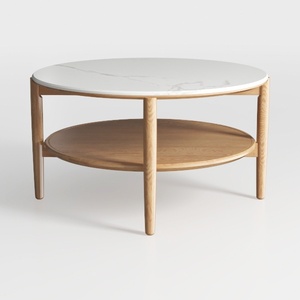
VASAGLE Round Coffee Table, 2 Tier Coffee Table wi



Minimalista Vintage Bed Sofa Wood Legs Stretch Arm
Homestyler is your go-to online home design platform, perfect for both beginners and seasoned decorators. With its user-friendly design tool, stunning 3D renderings, and an array of DIY video tutorials, you can effortlessly visualize and create your dream spaces.
Zaprojektuj teraz za darmo
































