


When designing a living room, I treat chairs as key components that shape conversations, posture, and overall ambiance. In modern settings, it is essential for a chair's design and comfort to complement factors such as lighting, acoustics, and color preferences; otherwise, the space may look stylish yet feel uncomfortable. When clients inquire about what defines a chair as contemporary, I prioritize aspects like clean lines, authentic materials, and comfort that endure lengthy sessions of watching movies or leisurely reading the news on a Sunday morning. Utilizing tools like Homestyler can greatly aid in visualizing these design choices.
To ensure comfort, it is crucial to establish measurable standards. According to the WELL Building Standard, ergonomics can significantly influence musculoskeletal well-being by promoting adjustable seating positions and reducing long-term discomfort (WELL v2, Ergonomics concept). Research from Steelcase also connects the importance of supportive chairs to sustained focus and reduced physical stress during extended sitting periods, highlighting the need for adaptable support in both home and work environments. Such findings are directly relevant to living room seating, where the optimal foam density, seat angle, and lumbar support keep users relaxed and engaged.
The way lighting interacts with upholstery is equally important. I design chair setups by considering the effects of illumination and glare management; following guidelines from the Illuminating Engineering Society on lighting levels helps avoid fatigue that might render reading chairs ineffective. A contemporary reading chair paired with a lamp emitting 2700–3000K creates a cozy atmosphere while ensuring text remains readable. Complementing it with soft, indirect lighting helps soften shadows on fabric surfaces. Additionally, arranging seating to avoid direct reflections from shiny coffee tables can prevent eye strain.
Silhouettes That Denote Modernity
Modern chairs manage to balance simplicity and personality. Slim arms, tapered legs, and designs elevated just above the ground impart a sense of lightness. Chairs with barrel backs exude a modern feel when their curves are tight and seams are finely crafted. Angular lounge chairs in mixed materials like walnut or blackened steel present minimalist aesthetics, while fully upholstered monolithic forms offer sculptural beauty without excess decoration. I consciously avoid oversized features like bulky skirts or large roll arms, opting instead for sleek, tailored arms with flat crowns that minimize visual weight.
Ergonomic Essentials: Height, Pitch, and Lumbar Support
The ideal seat height for most adults lies between 16–18 inches; individuals of shorter stature may favor a height of 15–16 inches to ensure their feet firmly touch the ground. A comfortable seat depth of 20–22 inches allows for relaxed sitting. If the back remains straight, adding a lumbar pillow can enhance support. A slight forward pitch of 3–5 degrees facilitates standing without significant effort to rise from the chair. Studies by Herman Miller and Steelcase advocate for dynamic seating that accommodates minor movements; in residential settings, this translates to flexible back panels or foam layers with differing firmness to evenly distribute pressure. Moreover, arm height should ideally be around 24 inches to align comfortably with side tables set at 22–24 inches.
Sustainable Materials and Their Impact
Contemporary style does not have to rely on synthetic materials. I often recommend kiln-dried hardwood for frames to ensure durability, ideally sourced from FSC-certified suppliers. High-resilience foam coupled with a fiber wrap helps retain shape; for environmentally conscious designs, consider natural rubber latex and wool stuffing. Current advancements in performance fabrics include tightly woven, solution-dyed fibers with stain-resistant finishes that do not feel plastic. In rooms where sound is a concern, choosing upholstered chairs covered in textured fabrics (such as bouclé or woven patterns) can help absorb high-frequency sounds, creating a more serene atmosphere without needing additional sound panels.
The Role of Color in Setting Moods
Color significantly influences emotional responses. According to insights from Verywell Mind on color psychology, blues can bring a sense of calm and reliability, whereas warm neutral tones create inviting environments. In living rooms, I recommend using muted colors like olive, charcoal, or warm gray for grounding chairs, then sprinkling in a singular vibrant accent, such as brick, ultramarine, or saffron, particularly in minimal architectural contexts. In compact spaces, it's advisable to limit high-contrast color pairings; while bold contrasts can add energy, they may also create a sense of visual clutter when overused across multiple chairs.
Spacing and Arrangement Insights
Modern interiors flourish when seating arrangements respect negative spaces. Aim for 30–36 inches of circulation space behind and between chairs within primary pathways, ensuring at least 18 inches of knee clearance from the coffee table. For gathering areas, a seating distance of approximately 6–8 feet facilitates eye contact without raising voices. When optimizing a tight layout, utilizing a design tool like Homestyler can assist in simulating viewing angles and available walking space.
Optimizing Lighting for Seating Areas
Establish various lighting layers to enhance functionality: ambient lighting should be dimmable with a range of 150-300 lux, while task lighting needs to deliver 300-500 lux to support comfortable reading without glare, aided by specially designed lampshades. Accent lighting such as wall grazers or artwork illuminations typically sit at 50-150 lux to create depth. It is important to maintain consistent color temperatures (between 2700-3000K) across all light sources to prevent uneven warmth. Following the IES guidelines for luminance balance can ensure a comfortable contrast, particularly useful with darker upholstery that could absorb too much illumination.
Enhancing Acoustic Comfort Around Seating
Rooms with hard floors, abundant glass, and minimal window treatments can quickly become echo chambers. Upholstered chairs can serve as acoustic allies. I recommend placing at least one fabric-rich chair opposite reflective surfaces and incorporating a thick-piled rug to absorb sound. For hosts who entertain frequently, selecting chairs with wider wings or high backs helps to diffuse sound away from the television area, thereby minimizing disruptive echo effects.
Trends to Watch: 2024-2025
Several emerging trends are reshaping the market for modern chairs: compact designs fit for smaller urban living spaces; softly modern curves complemented with refined edges; bouclé and textured fabrics add tactile interest; muted metallics rather than shiny chrome; and modular lounge pieces capable of linking with ottomans or side tables. There’s also a notable inclination towards sustainability, evident in exposed wood grains, recycled materials in fabrics, and cushions designed for easy repair.
Recommended Chair Types
- Lounge chair featuring a tight back for a structured appearance and reliable lumbar support, ideal for reading.
- Low-slung sling chair for an airy look, best arranged in pairs, enhanced by a lumbar roll for extended sitting.
- Barrel swivel chair, perfect for engaging in conversations, with a focus on the quality of the bearings.
- Modernized wingback design with thinner wings and straighter legs, promoting better acoustics.
- Armless accent chair, a great choice for smaller spaces yet should be paired with armchairs for variety in posture.
Essential Checklist for Buying Chairs
- Test seating for a minimum of five minutes, as true comfort often becomes evident after three minutes.
- Verify seat dimensions—height, depth, and armrest height—against your proportions and nearby side tables.
- Check the joinery of the frame: preference should go to corner blocks, dowels, or mortise-and-tenon over staples.
- Inquire about foam quality and layering; higher resilience ensures the chair maintains its form.
- Opt for fabrics rated for over 20,000 double rubs for durability, especially in high-traffic households.
- Ensure stain resistance is present without excessive gloss; matte finishes convey a more contemporary aesthetic.
Frequently Asked Questions
Q1: What’s the ideal seat height for a modern living room chair?
A1: The most comfortable seat height for many adults is between 16-18 inches. Those under 5'5" may prefer around 15-16 inches for optimal floor contact, while taller individuals may like heights up to 19 inches.
Q2: How deep should a seat be for effective reading without slouching?
A2: Recommended seat depth is around 20-22 inches. If maintaining an upright position, a small lumbar cushion can aid in achieving pelvic neutrality and minimize lower back stress.
Q3: What types of fabrics are modern and durable?
A3: Contemporary options include tightly woven performance textiles, wool blends, and textured bouclé that resist pilling. Features like solution-dyed yarns and abrasion ratings above 20,000 double rubs indicate durability.
Q4: What’s the suitable lighting temperature for seating areas?
A4: It's best to maintain lamp temperatures between 2700-3000K to create a warm, modern environment. Aim for 300-500 lux for reading and 150-300 lux for ambient light to avoid harsh contrast, aligning with IES comfort guidelines.
Q5: Are swivel chairs effective in smaller living spaces?
A5: Certainly. Compact barrel swivel designs save space while enhancing conversation dynamics. Make sure to check the base diameter and allow for 30 inches of clearance for smooth rotation.
Q6: How can I harmonize different chair styles without creating clutter?
A6: Maintain a consistent material or color palette—mixing chairs in warm neutrals paired with a single accent tone works well. Variation in silhouettes (one curved, one angular) should balance with matching leg finishes for cohesiveness.
Q7: Which ergonomic features should I prioritize if I frequently host guests?
A7: Focus on supportive lumbar options, maintain arm heights around 24 inches for easier standing, and consider a light seat pitch (3-5 degrees). Evidence from Steelcase and WELL v2 emphasizes the benefits of maintaining supportive postures during extended sitting.
Q8: How do chair designs impact acoustics?
A8: Upholstered chairs aid in sound absorption, diminishing reverberation. High backs and textured materials are effective at diffusing conversations, particularly in environments with hard floors and large windows.
Q9: Is leather a contemporary choice or best avoided?
A9: Leather can indeed look modern, especially when featuring matte finishes and minimal grain textures. Pair it with fabric selections to enhance acoustic comfort and introduce textural variety.
Q10: What’s the best spacing around a chair?
A10: Allow 18 inches between the chair and coffee table, and 30-36 inches within walkways. Keep seats within 6-8 feet of each other for effective sightlines and conversation ease.
Q11: Are curved chairs merely a trend?
A11: While curves are likely to remain in style, precision in tailoring is essential. Opt for tighter curves and clean seams to avoid bulky forms and pair them with linear pieces for a balanced aesthetic.
Q12: How can I select a color that appears modern?
A12: Utilize grounded neutrals such as charcoal, warm gray, or olive, and incorporate one vibrant accent. Research in color psychology from Verywell Mind suggests that shades of blue instill calmness, while warmer tones generate a welcoming feel.
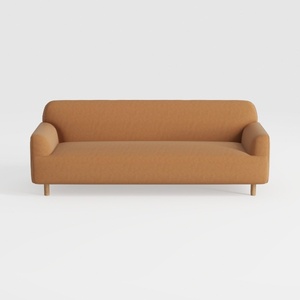
Minimalist Fabric Wooden Legs Sofa 3D Model

Meridian Furniture 77054Natural Everson Collection
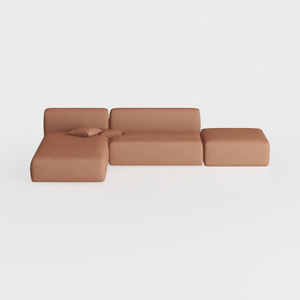
Minimalist Brown Fabric Modular Sectional Sofa 3D Model
If you're looking to transform your living space, Homestyler is an outstanding online home design platform. Featuring an easy-to-use design tool, stunning 3D renderings, and a wealth of inspiring projects and video tutorials, it's perfect for bringing your interior design visions to life effortlessly.
Design Now for FREE
































