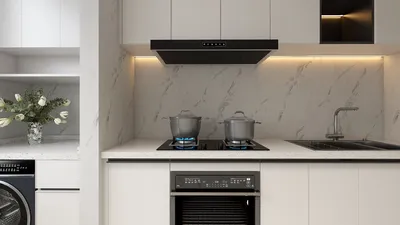


Contemporary residences are increasingly embracing sophisticated color schemes that react beautifully to light, creating a harmonious balance between warmth and brightness. Clients are favoring gentle neutrals, earthy mid-tones influenced by nature, alongside carefully chosen bold accents. These color decisions extend beyond mere aesthetics; they significantly impact comfort, concentration, and overall mood. Research by Steelcase indicates that over half of workers prefer spaces that facilitate both focus and relaxation, a goal that can be supported by using subdued hues for calm areas and vibrant accents for spaces meant to energize. The WELL v2 framework stresses the importance of visual comfort in lighting design, promoting balanced illumination and glare management to ensure colors remain consistent throughout the day, making tools like Homestyler invaluable for planning layouts.
Effective lighting plays a crucial role in achieving desired color outcomes. As per IES recommendations, establishing the right level of illuminance coupled with a high color rendering index (CRI 90+) promotes accurate perception of color finishes and minimizes eye strain. It's essential, as an ideal paint color might appear dull in cool lighting or overly warm under incandescent bulbs. In terms of mood elevation, insights from Verywell Mind suggest that shades of blue are typically linked to tranquility and focus, while greens symbolize balance and healing—making these hues perfect anchoring choices for living areas and home offices, particularly when complemented by natural light and soft ambient glow. To evaluate how different color zones will impact interaction and movement before painting, utilizing a room layout visualization tool can greatly assist in planning.
Soft Neutrals: The New Foundation
Neutral shades like warm whites, beige tones, and subtle greys have become the foundational choices for walls and ceilings, offering a timeless aesthetic that pairs well with textured materials. My preference leans towards off-whites under lighting around 3000–3500K to avoid a clinical vibe. Layering these colors with limewash or matte finishes introduces a soft, tactile depth, preventing large expanses from appearing flat. These neutrals also act as the ideal backdrop for artwork and furniture with delicate contrasts—consider elements like oak, travertine, cognac leather, and brushed metals.
Nature-Inspired Greens and Blues
Trends continue to favor soft greens and blues inspired by nature, now evolved into muted, mineral-like tones. Sage, laurel, and eucalyptus greens can provide a grounded feel when set against stone and textured fabrics, while slate and fjord blues enhance clarity in reading and working environments. In rooms rich with natural light, these colors gracefully transition from morning to evening, supporting our natural circadian rhythms—especially when paired with sheer curtains and high-CRI LED lighting to maintain true color representation.
Muted Earthy Tones for Warmth
Colors like burnt sienna, clay, terracotta, and ochre are entering the scene as modern comfort hues. Applied on accent walls or in cozy nooks like dining alcoves, these shades create a welcoming atmosphere while keeping visual distractions minimal. I often combine these colors with matte black lighting fixtures and light terrazzo flooring to achieve a balanced look. A slight reduction in saturation is beneficial—earth tones should embrace warmth rather than overwhelm the senses.
Sophisticated Accents in Deep Hues
Deep greys and almost black blues can introduce sophistication and depth when used sparingly. Think about incorporating charcoal doors, window frames, or feature walls to delineate spaces and highlight views. Subtle sheen choices are vital: satin or eggshell finishes resist fingerprints and minimize glare more effectively compared to glossy surfaces. Coordinating these darker accents with hardware and fixtures creates a cohesive look—imagine charcoal cabinetry handles, dark steel shelving, or smoked glass components.
Light and Airy Low-Saturation Pastels
Soft pastel shades such as powdered lilac, muted peach, and pale pistachio offer contemporary softness without becoming overly sweet. These can elevate secondary areas—like pantries, guest rooms, and hallways—while maintaining a mature aesthetic. It's important to keep undertones aligned across adjacent spaces to avoid clashes; for example, pair cool pastels with blue-tinged whites and warmer hues with creamy neutrals.
Refined Two-Tone Walls and Functionality
Color blocking is advancing into elegant two-tone walls that enhance functionality. In busy areas, I often suggest running a darker color from chair rail height down to resist wear, complemented by a lighter shade above to maintain brightness. In open-concept living areas, careful color zoning can delineate activities: soothing muted greens around lounge areas for relaxation, harmonizing blues near workspaces for focus, and neutral corridors for visual clarity. Utilizing an interior design visualization tool, such as Homestyler, can help ensure that these transitions occur naturally across sightlines.
Using Ceilings, Trim, and Doors as Design Tools
Ceiling design has become an integral part of interior planning. Opting for tonal ceilings—shades one or two light hues from the walls—can lessen stark contrasts and create an illusion of increased room height. In spaces that blend traditional and modern styles, colored trims (consider taupe or graphite) introduce rhythm while anchoring furniture arrangements visually. Selecting dark satin tones for doors adds a serene, gallery-like calm, especially when artwork is displayed on soft, neutral backdrops.
Importance of Finish: Matte, Eggshell, and Limewash
The choice of finish greatly influences how colors are perceived. Matte and limewash finishes diffuse light effectively, providing a low-glare environment that works harmoniously with textured materials like plasters and natural fabrics. On the other hand, eggshell offers durability in kitchens and family spaces without harsh reflections. Utilizing subtle variations in sheen helps define and differentiate surfaces—for example, matte walls paired with eggshell trim and satin-finished doors create an elegant hierarchy of texture.
Strategic Pairings of Color and Material
Modern color schemes thrive on tactile combinations. Pair warm whites and greiges with oak, boucle, and limestone; sage greens with rift-cut ash and wool; slate blues alongside walnut and brushed steel elements; and terracotta with travertine and raw linen. Aim to incorporate three distinct material textures per room to maintain a coherent rhythm without overwhelming the space. Environmentally friendly choices—like low-VOC paints, sustainably sourced woods, and recycled stone composites—are crucial for good indoor air quality and longevity of design.
Balancing Lighting, Color Temperature, and Glare Management
To ensure that colors remain true, it’s vital to balance ambient, task, and accent lighting throughout the home. I typically recommend a warmth of 2700–3000K for living rooms, 3000–3500K for kitchens for precision, and 4000K for task-oriented spaces—always with options for dimming and glare reduction. Align light fixtures with wall surfaces to enhance textures and amplify color depth, while maintaining sufficient daylight exposure with adjustable treatments to prevent over-saturation during peak hours.
Understanding Color Psychology, Behavior, and Intentional Spatial Design
Color choice should resonate with your lifestyle. Use calming greens in areas designed for relaxation, balanced yet energetic accents in creative spaces, and neutrals with low contrast in circulation areas to minimize visual fatigue. Shades adjacent to blue can enhance focus, while earthy tones promote social interaction in dining spaces. This color palette essentially becomes a behavioral map, subtly guiding daily activities without the need for explicit signs.
2024-2025 Trends: What Lies Ahead
We can anticipate a continued preference for tactile paint systems, sophisticated neutral shades, and lighting designs aligned with wellness principles. Mellow botanical hues will persist, while accents are likely to shift toward darker graphite and earthy reds. The comeback of colored ceilings and tonal trims will gain momentum as individuals welcome enveloping spaces that feel tailored instead of stark and clinical.
Recent Project Insights
In a small urban loft, I implemented a warm greige palette accented with a fjord blue media center and graphite-framed doors—task lighting was set at 4000K to highlight details, while ambient light at 3000K provided softness for evenings. In a sunny family residence, sage walls were layered with oak and limewash ceilings, crafting a restorative environment in the living area. Thoughtful zoning ensured that movement in an open-plan layout remained instinctive and serene.
Key Reference Points
For residential spaces influenced by workplace design, research from Gensler stresses how dedicated focus and relaxation areas benefit from varied chromatic choices. Steelcase insights further emphasize the importance of user choice and control, particularly in home offices where color and light adaptability cater to distinct tasks. The WELL v2 Light framework, along with IES standards, ensures that colors are always visually comfortable and appropriate for their context.
FAQ Section
Q1: Which neutral white is best for contemporary homes?
A: Opt for a warm off-white that includes subtle gray or beige tones, and always test it under 3000–3500K lighting for the best results. Using high-CRI LEDs (≥90) helps maintain color accuracy while avoiding a chalky appearance.
Q2: How should I choose colors for an open-plan area?
A: Start with a harmonious base hue, then define activities with low-saturation mid-tones. Keep trim colors consistent and adjust them within the same color palette to ensure a smooth flow. Visualizing spaces with a tool like Homestyler can clarify adjacency.
Q3: What ceiling color enhances room height?
A: Choosing a ceiling shade that is one tone lighter than the walls mitigates strong contrast lines, creating an illusion of increased height. Complement this with soft ambient lighting to avoid harsh shadows at the margins.
Q4: Are dark accents a practical choice?
A: Indeed, when applied to doors, frames, or media walls in satin or eggshell sheens, dark accents can provide structure without overwhelming the space, and they are easier to maintain than high-gloss finishes.
Q5: How do greens and blues impact mood?
A: Blues commonly facilitate focus and tranquility; greens enhance balance and restoration. Maintaining moderate saturation levels can promote comfort, especially when aligned with natural light variations.
Q6: Which paint finish is ideal for family areas?
A: An eggshell finish offers durability and ease of cleaning, along with a controlled sheen. In bright spaces, matte or limewash finishes enhance visual comfort and texture.
Q7: How can lighting improve color appearance?
A: A balance of ambient, task, and accent lighting is key. Warmer tones of 2700–3000K for lounges, 3000–3500K for cooking areas, and 4000K for focused tasks should be prioritized. It's crucial to adopt a CRI of ≥90 and incorporate glare-reducing elements to maximize comfort.
Q8: Do earth tones still resonate as modern?
A: Certainly. Choose desaturated tones and combine them with refined textures—like travertine, oak, and linen—to cultivate warmth without heaviness.
Q9: What’s the best approach to introduce pastel shades?
A: Integrate low-saturation pastel accents in secondary areas while ensuring undertones coordinate with your foundational neutral. Test color samples during different times of day for an accurate impression before finalizing.
Q10: How can I make small spaces appear larger with color?
A: Implementing low-contrast schemes, tonal ceilings, and continuous trim colors minimizes visual interruptions, giving spaces a more expansive feel. Light matte finishes work wonders in diffusing light throughout the room.
Q11: How do I avoid color clashes between different rooms?
A: Create a palette with shared undertones and vary depths rather than colors. Upholding a consistent trim and door color helps unify transitions across spaces.
Q12: What sustainable options should be factored into my choices?
A: Consider low-VOC paints, responsibly sourced woods, and recycled stone materials. Durable finishes minimize the need for repaints, contributing to long-term sustainability.


Homestyler is your go-to platform for effortless home design! With its user-friendly online design tool, stunning 3D renderings, and a wealth of DIY video tutorials, it empowers you to create beautiful interiors with confidence. Transform your space today with Homestyler!
Design Now for FREE
































