

Having dedicated over a decade to enhancing living room lighting design, I find floor lamps to be the most adaptable option. When executed correctly, these fixtures not only elevate the ambiance but also improve visual harmony while establishing cozy areas without the hassle of electrical work. A single floor lamp can enhance the perceived brightness by directing light onto walls and ceilings, but the true brilliance emerges when layered with various sources like ambient, task, and accent lighting. Using tools like Homestyler can help visualize these lighting strategies effectively.
Lighting quality is not solely about aesthetics; it can be quantified. The Illuminating Engineering Society recommends a range of 10 to 20 footcandles (approximately 100 to 200 lux) for living spaces to facilitate conversation and reading. For specific tasks, localized lighting should aim for 30 to 50 footcandles. WELL v2 suggests focusing on glare reduction, color rendering (CRI of 80 or above), and circadian-friendly light (tunable from 2700K to 6500K) for enhancing comfort and health. Adopting these standards creates a living area that is both stunning and practical. Further details on light quality can be explored in WELL v2's Light concept, with additional guidance from IES on illumination levels and glare.
Activities carried out in the living room vary throughout the day, transitioning from relaxed mornings and afternoon reading sessions to movie nights and social gatherings. Investing in a versatile floor lamp that can switch from a warm ambient glow to a focused task light is essential. Look for styles that feature adjustable heads, dimming capabilities, and smart controls to adapt to all situations.
Key Variants of Floor Lighting for Living Areas
1) Arc Floor Lamps: Ideal for seating areas lacking ceiling fixtures. Their extended arms cast a soft light over sofas, often reflecting against the ceiling for a gentle glow. Pair them with bulbs in the 2700 to 3000K range for evening relaxation, ensuring the shade interior is white or opal to evenly distribute light.
2) Uplighters or Torchieres: These lamps direct light upward, creating a brightened ceiling effect that helps to minimize shadows and achieve balanced wall-to-ceiling ratios. Seek options with anti-glare diffusers and dimmers for optimal experience.
3) Reading or Task Floor Lamps: With slender profiles and adjustable heads, these fixtures keep light focused where you need it most—be it for reading, knitting, or working on a laptop. Aim for a color temperature between 3000 to 3500K, along with a CRI of 90 or higher for a natural view of texts and fabrics. Place the lamp head slightly behind and above shoulder level to reduce glare.
4) Tripod and Drum-Shade Lamps: These stylish fixtures produce a soft light that fills empty corners, enhancing visual flow in larger rooms and softening the contrast between daylight from windows and darker walls.
5) Multi-Head Floor Trees: Perfect for open living spaces, these lamps feature several independent heads that offer both ambient and accent lighting. Direct one head toward artwork, another toward a bookshelf, and one over a coffee table to create an interesting visual dynamic.
Light Quality: Color Temperature, CRI, and Glare
The color temperature sets the overall mood. Typically, I stick to 2700 to 3000K for evening ambient light, moving to 3500 to 4000K during daytime activities, reserving 5000 to 6500K for when a boost of alertness is required. A high CRI (90 or more) ensures accurate skin tones and true representation of textiles. Controlling glare is vital—use diffusers, indirect heads, and carefully position lamps, especially near TVs, to maintain contrast. WELL v2’s Light concept reinforces the importance of glare reduction and color accuracy for comfort.
Placement and Spatial Balance Strategies
Think about lighting in layers: an uplighter in the dark corner of the room, a reading lamp next to the main seating, and an ambient lamp to anchor another area. When rearranging furniture, utilizing a room layout tool like Homestyler can help simulate perspectives and lighting without the need to physically move heavy items.
Balance is not just about functionality; it's also a visual consideration. Avoid clustering all lamps on one wall. Instead, aim for a triangular distribution so that light sources overlap for a seamless effect. Conceal cords along baseboards, leaving a clear passage of 24 to 30 inches in frequently used pathways for accessibility.
Ergonomics for Seating and Reading
When it comes to reading, ensure the lamp head is 15 to 20 inches above the reading surface, with a beam that doesn’t glare directly into your eyes. If you wear glasses, positioning the light slightly to the side can help mitigate glare. Keep pull-chain switches or inline dimmers near your seating area for easy adjustments—this minute control encourages proper lighting usage.
Acoustic and Material Considerations
Hard surfaces and large windows can create a bright yet acoustically harsh environment. Selecting lamps with fabric or paper shades can softly absorb high-frequency sounds, contributing to a more pleasant room tone. Matte finishes on bases also minimize glare and visual clutter. If sustainability interests you, opting for FSC-certified wood details, recycled metals, or natural fiber shades can be beneficial; using LEDs with replaceable parts extends their lifespan and reduces waste.
Power, Controls, and Smart Integration
Using smart plugs with dimmable LED bulbs allows for convenient scheduling—set warm ambient light for sunset, brighter task lighting while reading, and a dim nightlight for later arrivals. Keep intuitive color temperature presets in mind: warm for relaxation, neutral for focus, and cool for alertness. Footswitches are convenient, but managing multiple lamps through an app or voice control can enhance your lighting experience.
Living Room Scenarios and Solutions
For Small Apartment Living Rooms: Consider using a slender uplighter that reflects light off the ceiling, complemented by a compact reading lamp beside your sofa. This strategy increases vertical lighting without creating clutter. Look for lamps with built-in storage or slim designs.
For Open-Plan Living/Dining: A multi-head floor lamp effectively bridges the zones. Position one head towards artwork, another towards the dining area, and a third over the lounge space while maintaining consistent color temperatures to ensure a cohesive feel.
For TV-Focused Rooms: An arc floor lamp positioned behind and slightly off to the side of the television helps prevent reflections, while a dim uplighter on the opposite side maintains overall brightness and enhances contrast without straining the eyes.
Designer’s Top Picks: Versatile Floor Lamps
Rather than pursuing fleeting trends, I prioritize functional clarity: dimmability, high CRI, stable bases, and replaceable LED components. Shades should distribute light evenly, and joints must maintain position to avoid drifting. If the design allows for directing light both upwards and downwards, it offers additional flexibility.
Maintenance for Longevity
Remember to dust lamp shades monthly—fabric and paper can significantly decrease light output when dirty. Annually check all joints and tighten any loose screws. When LED modules reach the end of their lifespan, replace them instead of discarding the entire fixture, if feasible. Keeping spare diffusers handy can also be a wise choice, as a yellowed diffuser can compromise light quality and color accuracy.
Bringing It All Together
Incorporating floor lights is one of the fastest ways to create a living space that feels brighter, more serene, and adaptable. Set illumination objectives based on IES recommendations, ensure versatility with dimming and directionality, and arrange fixtures to harmonize with walls, ceilings, and seating arrangements. These foundational principles can transform even the simplest spaces, enriching their presence and appeal.
FAQ
Q1: How many floor lamps should I have in a typical living room?
A1: Begin with two or three: one for ambient light, one reading/task lamp near your primary seating, and an additional ambient lamp placed strategically in a corner. Adjust this based on the size of your room and the reflectivity of walls and ceilings.
Q2: What brightness is ideal for my living room?
A2: Aim for about 100 to 200 lux in general areas, while designating 300 to 500 lux for reading zones. These figures align with IES standards for residential spaces and tasks.
Q3: Which color temperature is preferable?
A3: Aim for 2700 to 3000K for a cozy evening atmosphere; 3000 to 3500K fosters concentration during daytime. Save cooler tones for brief periods requiring heightened alertness or during cleaning tasks.
Q4: How can I prevent glare from my TV?
A4: Utilize indirect lighting—either uplighters or arc lamps directed away from the screen. Position the lamps behind the viewer's line of sight, and consider using diffusers to mitigate harsh highlights.
Q5: Is it necessary to use high CRI bulbs?
A5: Absolutely, opting for bulbs with a CRI of 90 or higher ensures accurate portrayal of skin tones and fabrics, enhancing visual comfort, particularly for natural materials and art.
Q6: Are smart controls beneficial?
A6: Yes, they streamline scene setting and encourage optimal lighting usage. Programming warm lighting in the evening and brighter task light for your reading needs helps avoid reliance on a single harsh lighting source.
Q7: What base and shade materials should I consider?
A7: Look for heavy and stable bases (such as steel or weighted resin) to prevent tipping. Fabric or opal diffusers allow for an even light spread and help reduce visual harshness. Choose sustainable options like FSC-certified wood and recycled materials where possible.
Q8: How should I position a floor lamp in a compact space?
A8: Use corners strategically to reflect light off nearby walls and ceilings. An uplighter located in the darkest part of the room can significantly enhance brightness without taking up too much floor space.
Q9: Can floor lamps assist with acoustics?
A9: Yes, lamps featuring fabric or paper shades provide minor sound absorption that may help soften high-frequency echoes. While they won’t replace rugs or drapes, they can softly contribute to a calmer acoustic environment.
Q10: Is tunable white lighting necessary?
A10: It's not essential, but using tunable color temperatures between 2700K to 4000K can support daily rhythms, allowing for warm light in the evening and neutral light during work hours. Pairing it with dimming options enhances control over your lighting experience.
Q11: How do I plan lamp placement before making a purchase?
A11: Assess your seating layout, traffic patterns, and wall reflections. Utilize an interior layout tool like Homestyler to conceptualize lighting arrangements and avoid glare, enabling you to finalize the types and positions of fixtures effectively.
Q12: If I can only add one lamp, what's the best upgrade?
A12: A dimmable uplighter or torchière would be ideal. It provides a significant boost to ceiling brightness while minimizing shadows, instantly making the room feel larger and more balanced.
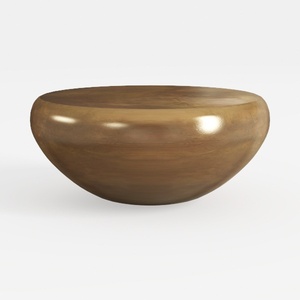
Minimalist Solid Wood Round Coffee Table 3D Model
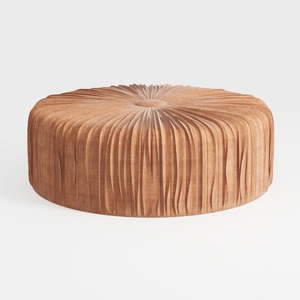
Minimalist Round Tufted Fabric Ottoman 3D Model

Modern Solid Wood Brass Accent Single Drawer Coffee Table 3D Model
Looking to elevate your home design game? Try Homestyler! This user-friendly platform offers a fantastic online design tool, stunning 3D renderings, a plethora of design projects, and helpful video tutorials. It's the perfect way to bring your creative ideas to life effortlessly!
立即免费设计
































