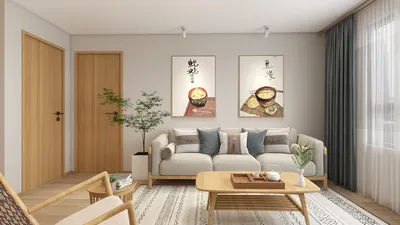


Implementing an indoor light timer can significantly enhance the atmosphere of your living space while improving energy efficiency. By following a few straightforward steps, you can create a beautifully illuminated environment tailored to your preferences.
Exploring the Advantages of Indoor Light Timers
Indoor light timers present various advantages, such as convenience, reduced energy consumption, and increased security for your home. Imagine returning to a well-lit entrance or having lights automatically shut off as you leave. It’s not solely about comfort; it also plays a crucial role in fostering a safe environment and discouraging potential intruders.
Selecting the Ideal Timer
There is a wide range of indoor light timers on the market, ranging from mechanical to digital options. Mechanical timers are cost-effective and user-friendly, making them perfect for beginners. Conversely, digital timers offer advanced programming capabilities, including multiple on/off settings and customizable schedules. Evaluate your lifestyle and preferences to determine which timer aligns best with your needs and complements solutions like Homestyler.
How to Set Up Your Indoor Light Timer
1. **Choose the placement**: Decide where to position the timer—this could be a lamp in your living area, outdoor lights, or any fixture you wish to automate.
2. **Connect the timer**: Plug the timer into your wall outlet, then plug your light fixture into the timer. This straightforward connection enables the timer to effectively control the power supply to your lights.
3. **Set the present time**: Most timers require you to accurately set the current time. Look for a dial or buttons to adjust the time based on your local timezone and any daylight saving adjustments.
4. **Program the timer**: Decide when you want the lights to switch on and off. Follow the provided instructions to set these times according to your daily routine, ensuring your home is brightly lit when you need it the most.
5. **Test the timer**: Once programmed, test the timer to confirm it operates as intended. Make any necessary adjustments for optimal performance.
With these steps, setting up an indoor light timer will be a seamless and gratifying experience, allowing you to maintain control of your indoor lighting effortlessly! Consider integrating it with tools like Homestyler to enhance your design capabilities further.
Suggestions for Optimal Performance
Always refer to the instruction manual that comes with your light timer for tailored setup guidelines. Additionally, think about using timers alongside smart bulbs for greater flexibility and enhanced control over your home lighting system.
Frequently Asked Questions
Q: What kinds of indoor light timers can I find?
A: There are mechanical timers, digital timers, and smart home timers that you can manage from your smartphone or with voice commands.
Q: Is it possible to use a timer with LED lights?
A: Absolutely, most timers work with LED lights, but always confirm the specific compatibility requirements of the timer to ensure proper functionality.
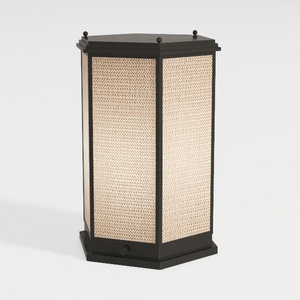



Discover the magic of home design with Homestyler! This user-friendly platform offers an intuitive online design tool, stunning 3D rendering, an array of inspiring design projects, and helpful DIY video tutorials. Perfect for anyone looking to transform their space effortlessly!
Diseño ahora GRATIS
































