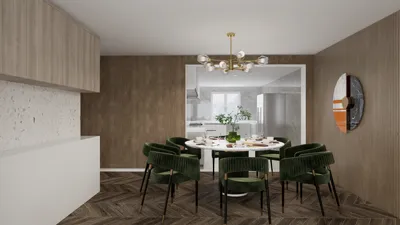


Indian swings, known as jhulas, embody the essence of familial traditions and showcase the elegance of finely crafted timber. When integrated into a living room, a swing serves not only as a striking centerpiece but also transforms the dynamics of social interaction, fostering a unique environment for conversation and relaxation. In my designs, strategically positioning a jhula consistently draws visitors to the room's centerpiece, effectively linking formal seating arrangements with informal lounging spaces.
Understanding comfort is crucial. The WELL v2 standard suggests keeping ambient noise levels below 40–45 dBA for living areas, alongside managing daylight to minimize glare, both of which influence how long guests enjoy swinging. Moreover, studies in color psychology reveal that shades of blue and green can lower stress and heart rates, while warm wood finishes enhance a feeling of coziness—valuable insights when selecting swing materials and upholstery (source: verywellmind.com/color-psychology). In terms of social settings often reflected in living rooms, research by Gensler indicates that environments enabling a range of postures and movements lead to increased engagement and satisfaction; a swing offers an ideal solution.
Selecting the Perfect Indian Swing
Typically, living rooms can benefit from one of three swing designs: a traditional wooden plank jhula adorned with brass chains, a bench swing that includes a backrest and armrests, or a modern woven or cane hanging seat. Durable teak or sheesham ensures sturdiness and a beautiful grain, while woven cane introduces lightness and breathability. For longer use, a gently angled seat (3–5°), supportive lumbar cushions, and a seat depth ranging from 17 to 19 inches are ideal for maintaining a comfortable posture. To ensure durability in air-conditioned spaces, choose seasoned hardwood with moisture content between 8–12% to prevent warping.
Assessing Load, Safety, and Ceiling Suitability
I never install a swing without confirming the structural integrity. A typical wooden jhula designed for two can weigh between 18–30 kg and must support a minimum live load ranging from 220–270 kg to accommodate dynamic use. Secure it using through-bolted eye bolts attached to solid wood joists or hidden steel plates in gypsum ceilings. For concrete slabs, use chemical anchors with a minimum embedment of 75–100 mm. The chains or rods must be rated to withstand three times the estimated load. Ensure there is at least an 18-inch clearance behind the swing and 24–30 inches in front to accommodate its arc.
Creating the Right Lighting Atmosphere
A well-lit environment enriches the experience of a jhula from day to night. I recommend achieving 200–300 lux of ambient lighting in living rooms, with warm-white tones around 2700–3000K for evening relaxation—a standard aligned with IES residential guidelines. Incorporating a glare-reducing floor lamp or wall washer positioned off-axis can help avoid direct glare when the swing is in use. If reading is on the agenda, a targeted task light providing 300–500 lux at lap height is beneficial; also, consider making it dimmable. Placing a hidden uplight behind the swing's back can enhance depth without casting moving shadows on anyone's face.
Optimizing Placement and Flow of Movement
Swings excel in environments where they facilitate dialogue. Positioning the jhula perpendicular to the primary sofa can encourage interaction among guests, or use it as a gentle partition between dining and living areas. Allow a minimum clearance of 36 inches on at least one side to ensure smooth movement around the swing. Should you wish to experiment with layouts, a room layout tool can effectively simulate sightlines and necessary clearances.
Acoustic Considerations: Minimizing Noise
There are two critical acoustic aspects to consider: sound reverberation in the room and noise from the swing hardware. A rug under the swing, along with fabric drapes and upholstered furniture, can significantly reduce reverberation, ensuring clearer conversations. To minimize hardware noise, utilize nylon bushings or leather wraps at points of contact, and regularly apply dry lubricant to eye bolts. Keep metallic links away from lamp stems and adjacent wall decorations to prevent any noise when the swing moves.
Material Choices and Finish Techniques
To impart a classic Indian aesthetic, consider combining oiled teak with hand-braided rope or cane. Opt for low-VOC oils or waterborne polyurethane to preserve the woodgrain while maintaining indoor air quality. Brass or antique bronze chains develop a beautiful patina over time, while stainless steel options suit contemporary spaces. For a pop of color, earthy reds, terracotta, and deep indigo can beautifully contrast wood tones and reflect traditional textile designs. In humid environments, it’s wise to choose marine-grade varnish alongside moisture-controlled joinery to manage expansion.
Incorporating Color Psychology and Fabrics
Textiles play a key role in influencing the ambiance of the swing area. Calming blues and greens can create a serene space, while vibrant accents of saffron or marigold add energy and nod to festive Indian aesthetics (refer to color psychology at verywellmind.com/color-psychology). To ensure balance, pair vivid cushions with a subtle base fabric—options include stone, ecru, or warm gray. Consider the scale of patterns: larger designs like ikat or ajrakh are more visually appealing from a distance of 6–8 feet, whereas smaller patterns may create a flickering effect when in motion.
Achieving Proportions, Rhythm, and Aesthetic Equilibrium
A swing introduces a dynamic element, so balancing the decor with stable, vertical features—like bookcases, carved pillars, or a soothing backdrop wall—is essential. A proportional approach is advisable for the seat-to-rug edge, ideally maintaining a ratio of around 1:1 to prevent an unbalanced appearance; if the swing is 60 inches long, aim for a rug of at least 5×8 feet placed centered underneath. Ensure chains are suspended equidistantly from each end (around 6–8 inches inward from corners) to avoid twisting issues. Installing ceiling medallions or subtle timber soffits can provide visual support for the hanging points without adding clutter.
Fusing Traditional Elements with Modern Designs
Incorporating carved brackets, jaali side panels, and finials inspired by brass lota adds a sense of heritage. For a contemporary twist, streamline profiles, opt for chamfered edges instead of intricate designs, and use matte black rods alongside linen cushions. I often combine one authentic element—such as a hand-carved backrest—with a minimalist frame to keep the aesthetic fresh while honoring tradition.
Sustainability Practices and Upkeep
Whenever possible, select FSC-certified hardwoods or reclaimed timber coated in plant-based oils. Natural cane and cotton-linen blends provide better ventilation in warm environments; choosing removable covers can significantly extend the life of your swing. Every six months, inspect hardware for tightness, check for wear on chains or rods, and refresh finished surfaces where shoes might scuff on the front rail. A protective strip of felt or leather under the foot rail can help cushion accidental contact with the rug edge.
Smart Configurations for Limited Spaces
In compact apartments, consider a single-seat swing or a smaller 48–54 inch bench design. Substituting chains with slimmer rods can reduce visual clutter. Position the swing closer to a window to enhance the room's depth perception, ensuring to maintain an 8–10 inch gap from the glass to avoid any contact issues. If the ceiling won’t support the swing's weight, a freestanding frame option is advisable—make sure the base is fully resting on the rug to prevent any rocking motions.
My Installation Checklist
Timeless Styling Suggestions
Frequently Asked Questions
For a two-person configuration, I recommend a minimum working load of 220–270 kg, ensuring that all hardware is rated three times that load to accommodate movement safely.
Position the top of the seat between 16–18 inches above the finished floor. If adding soft cushions, raise the hardware slightly to account for approximately 1–1.5 inches of compression.
No. It is essential to secure the swing through the false ceiling directly into joists, a steel spreader, or the concrete slab using appropriate anchors, as the cladding itself doesn’t provide structural support.
Maintain a clearance of 18 inches behind and 24–30 inches in front to allow a gentle swing arc, and ensure at least 6 inches on either side. In tighter spaces, consider reducing the swing's amplitude rather than its clearance.
Utilize diffused, indirect lighting around 200–300 lux for general ambiance, preferably with a color temperature ranging from 2700–3000K. Avoid exposing harsh downlights directly overhead to prevent shadows while the swing is in motion.
Teak and sheesham woods function well for indoor settings. Use a low-VOC oil or waterborne polyurethane finish and, in humid climates, select a marine-grade varnish for durability. Stainless or brass hardware protects against corrosion.
Integrate nylon bushings or leather wraps where the chain meets the eye bolt, and apply a dry PTFE lubricant regularly. Ensure uniform chain lengths to prevent twisting.
Opt for breathable cotton-linen blends or performance fabrics featuring a soft texture. Employ removable covers for easy washing and combine firm foam with a light feather wrap to ensure comfort without sagging.
Absolutely! Choose a simplified timber profile, matte metal rods in place of chains, and solid-color cushions. Keep lines clean and allow the swing's natural grain and proportions to shine.
Utilize a room layout planner to visualize dimensions, clearances, and sightlines before proceeding with installation: interior layout planner.
Yes, you can mitigate echoes. Incorporate rugs, curtains, and upholstered furniture to absorb sound. Refrain from placing wind chimes or clattering decor in the swing's trajectory.
Perform maintenance every six months: tighten anchors, check for any elongation in chains or wear on rods, refresh finishes on high-impact edges, and vacuum cane to eliminate dust accumulation.
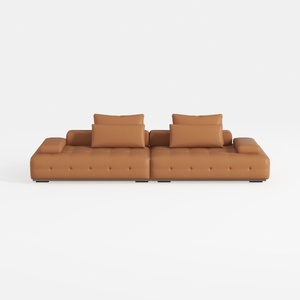

Valencia Nathan Nappa Leather Couch - 4 Seats with
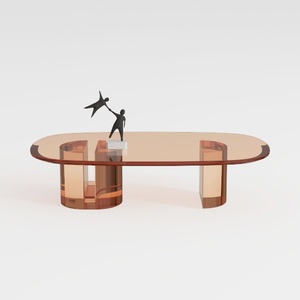
Round Coffee Table Modern Glass Coffee Table with
Looking to transform your space? Homestyler is your ultimate online home design tool! With stunning 3D renderings, a wealth of design projects, and engaging DIY video tutorials, you can easily create and visualize your dream home—no design experience necessary!
지금 무료로 디자인하세요
































