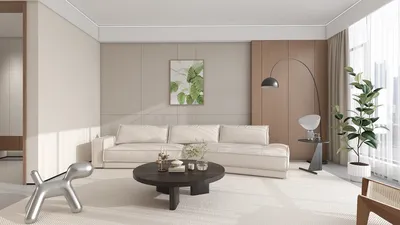


When it comes to holiday decorating, I take a strategy similar to how I would manage a small hospitality project: it begins with establishing a mood, followed by mapping out the space's flow, and then layering elements such as light, color, and texture. A home that is beautifully decorated for Christmas should radiate warmth and be practical and safe to accommodate increased foot traffic and seasonal décor.
The initial aspect to consider is lighting, as it sets the atmosphere. The Illuminating Engineering Society suggests that general living spaces should maintain light levels around 300–500 lux. For activities such as wrapping gifts, cooking, or crafting, I aim for proximity to 500 lux. Decorative lighting should complement rather than replace effective illumination, adhering to IES standards. Furthermore, WELL v2 guidelines advocate for adjustable lighting that minimizes glare, promoting circadian comfort; I opt for dimmable warm LEDs (2700–3000K) combined with indirect glow to avoid harsh hotspots. By following these standards, your inviting aesthetic can successfully balance visual comfort and safety.
Establish the Theme and Color Scheme
Before placing the first ornament, I create a brief overview encapsulating my theme: whether it’s Nordic winter serenity, a nostalgic cabin feel, or modern metallic glam. It's important to consider color psychology; greens can evoke balance, reds are invigorating and social, while golds suggest warmth and festivity. I typically limit the scheme to a dominant color, a secondary shade, and a metallic accent to ensure visual coherence. Using natural materials such as fir, eucalyptus, linen, and wool felt helps to soften the shine and introduces a rich tactile experience.
Plan the Space Flow Before Decorating
Effective layouts facilitate seamless gatherings. I recommend allowing for clear 36-inch pathways, positioning the Christmas tree away from heat sources and doorways, while ensuring fragile items are stored out of reach of children (about 28–30 inches). If you're rearranging for a festive event or creating a temporary crafting space, consider using a room layout tool like Homestyler to visualize furniture arrangement, tree positioning, buffet lines, and seating arrangements before making any changes.
Create Ambience Through Layered Lighting
• Ambient: Ensure that overhead lights are dimmable; add soft lighting to corners to prevent the space from feeling dreary.
• Task: Utilize clip-on lights for wrapping stations, under-cabinet strips for cookie-making, and a nearby table lamp for the beverage area.
• Accent: Decorate with UL-listed string lights on mantels and shelves, plus window displays to enhance outdoor appearances.
• Color temperature: Stick to a uniform temperature between 2700–3000K to ensure that candle, LED, and lamp lighting harmonize, as mixed temperatures may cause a disjointed appearance.
• Glare control: Reflect light off walls or ceilings and avoid positioning bare bulbs at eye level around seating areas.
Christmas Tree Techniques: Scalability, Safety, and Spectacle
• Scale: Ensure a tree leaves 6-12 inches of clearance below the ceiling for a topper. In tighter spaces, opt for a slim tree to maintain open pathways.
• Stability: Water a real tree daily, secure the base, and hang non-breakable ornaments on lower branches.
• Ornaments: Start with a foundation of 60% neutral bulbs for depth, 30% thematic pieces, and 10% standout accents. Place reflective ornaments near lights for sparkle without glare.
• Ribbon: Use vertical cascades to elongate the design, while horizontal wraps add traditional flair; combining matte and metallic ribbons provides textural contrast.
Garlands, Wreaths, and Greenery
Natural garlands bring life to your trimmings and mantels. I suggest alternating clusters of eucalyptus for its silvery hue, cedar for a pleasant aroma, and magnolia for a rich brown backdrop. For staircases, secure the garland at the newel and every third baluster to prevent sagging; incorporating bows in a singular color scheme maintains aesthetic continuity. In kitchens, I prefer small wreaths on cabinet doors secured with low-profile ribbon to avoid workflow obstruction.
Dining Table: Comfort-First Holiday Entertaining
• Ergonomics: Keep centerpieces under 10 inches or elevate them above 24 inches to allow for unobstructed views across the table.
• Layers: Lay down a linen runner, a charger, a dinner plate, a salad plate, and finish with a natural touch like a citrus slice or a sprig of rosemary for aroma and simplicity.
• Candle safety: Use enclosed glass hurricanes; beeswax candles produce minimal soot and emit a subtly festive fragrance.
• Acoustics: Felt or woven placemats absorb noise; even a thin underlay beneath the runner softens sound in bustling spaces.
Living Room Moments Without Clutter
I create three focal mini-scenes instead of saturating surfaces with decorations: a tree corner, a mantel, and one vignette (such as a console or coffee table). Each boasts a unique height composition—one tall (the tree), one layered horizontally (the mantel), and one compact (a tray vignette). Hide remotes and chargers within a woven box, and select one signature scent for each room to avoid sensory conflict.
High-Impact DIY Projects
• Paper stars: Utilize heavyweight craft paper, fishing line, and pre-existing curtain rods to create an instant celestial display.
• Citrus garlands: Dried orange slices, twine, and bay leaves add both fragrance and a warm glow when lit.
• Salt-dough ornaments: Perfect for kids; they can be stamped with botanicals for textured designs and finished with matte white paint.
• Upcycled sweater stockings: Repurposing old knitwear through simple sewing creates cozy accents for the fireplace.
• Modular village: Use white cardboard houses with cut-out windows and place tea lights behind them for a safe glow.
Strategies for Small Spaces
• Go vertical: Mount greenery on walls and choose slim trees to preserve floor space.
• Mirror magic: Place a mirror opposite the tree to multiply sparkle and reflect ambient light.
• Multipurpose solutions: Transform a bar cart into a mobile hot cocoa station, which can be folded away when not in use.
• Visual serenity: A consistent color palette throughout small rooms enhances the perception of spaciousness.
Kid- and Pet-Safe Options
• Position non-breakable decorations at lower levels, while delicate glass items should be placed high.
• Battery-operated timers minimize the risk of overheating bulbs.
• Steer clear of tinsel around pets; opt for fabric garlands or wooden beads as alternatives.
• Secure cords along baseboards, ensuring outlets are accessible yet clutter-free.
Sustainable and Budget-Conscious Decorating
• Prioritize reuse: Rearranging, repainting, or re-ribboning existing decorations is key.
• Utilize natural materials: Branch cuttings, pinecones, and foraged elements (where legal) not only look beautiful but also decompose gracefully.
• Opt for LEDs: Long-lasting, low-heat options that are energy efficient are a great choice.
• Select fewer but larger decorative items to reduce visual clutter and minimize future waste.
Color Psychology to Create a Harmonious Mood
Red accents can invigorate social spaces, but may feel overwhelming in smaller rooms; pairing red with grounding greens or cool whites can create balance. Blue-and-silver schemes convey tranquility and wintery charm; incorporating wood or warm metallics prevents them from feeling too frigid. Gold’s warm undertones help to unify diverse materials within the room.
Entryway Impressions
Enhance the entrance with a weatherproof wreath, a boot tray, and a narrow console table for holding gloves. Ensure the lighting is bright enough, approximately 300–400 lux, at the entrance for safety, then transition to softer illumination as you move into the living areas. A single scent diffuser at the threshold keeps aromas uniform throughout the home.
Music, Sound, and Comfort
During holiday gatherings, noise levels can surge. I recommend adding fabric elements—throws, rugs, and felt garlands—to mitigate echoes. Position speakers away from hard corners to minimize booming sound. It’s wise to keep pathways open to avoid congestion near the tree or bar, which amplifies conversation.
Kitchen Cheer Without Interruptions
Maintain clear prep areas; limit décor to the backsplash, window ledge, or the outer edges of the range hood to ensure ventilation isn’t obstructed. Magnetic hooks on the refrigerator can hold small wreaths or advent bags without the need for drilling tools.
Outdoor Welcomes
Adorn your home’s exterior with string lights along the eaves at uniform intervals, favoring warm white hues to harmonize with interior tones. A collection of lanterns on your porch enhances scale, and planting evergreen branches in planters helps secure arrangements against wind. Don’t forget to use outdoor-rated extension cords and GFCI-protected outlets.
A Simple Weekend Decorating Plan
Day 1: Settle on a mood and palette, adjust the space layout (utilize a layout simulation tool like Homestyler for major rearrangements), and establish core lighting.
Day 2: Decorate the tree, complete a DIY project, and finalize the tabletop and entryway decorations.
Frequently Asked Questions
Q1: How bright should my living room be for holiday celebrations?
A1: Aim for general lighting levels around 300–500 lux while incorporating task lighting as needed. Keep a consistent warm color temperature (2700–3000K) for decorative lights and lamps to ensure cohesion.
Q2: Are warm or cool string lights recommended?
A2: Warm white lighting (2700–3000K) integrates seamlessly with residential ambient lighting and candlelight, flattering skin tones and enhancing the richness of metallic decor.
Q3: What is the safest approach to tree placement?
A3: Maintain a distance of at least 3 feet from heat sources, avoid blocking doorways, and ensure clear pathways of 36 inches. Hydrate real trees daily and secure the stand appropriately.
Q4: How do I create a cohesive color palette?
A4: Choose one primary color, one secondary shade, and a metallic hue. Utilize natural textures to create a seamless transition. Greens provide tranquility, reds stimulate energy, and gold imparts warmth—balance these elements according to room dimensions and function.
Q5: What are effective strategies for reducing holiday noise?
A5: Incorporate soft materials such as rugs, throws, felt garlands, and fabric runners to absorb sound. Disperse seating clusters to prevent crowding, and avoid placing speakers in corners where bass may be exaggerated.
Q6: How do I efficiently decorate a small apartment?
A6: Utilize vertical space with mounted greenery, select slim trees, and adhere to a limited color palette. Craft two or three focal points rather than spreading decorations over every available surface.
Q7: What budget-friendly DIY projects have a high-end appearance?
A7: Consider making paper stars, citrus garlands, salt-dough ornaments, or upcycled sweater stockings. Limit your color palette and repeat materials for a curated aesthetic.
Q8: What measures can I take to ensure decorations are safe for kids and pets?
A8: Place breakable items high, utilize shatterproof ornaments at lower levels, avoid tinsel, and secure cords along walls. Consider battery-operated candles and timers for illumination.
Q9: How many ornaments are necessary for a full-looking tree?
A9: For a 7-foot tree, plan on approximately 70–100 ornaments: 60% simple bulbs for depth, 30% character accents, and 10% standout pieces. Adjust based on the tree's fullness.
Q10: Is it acceptable to mix metallic decorations?
A10: Absolutely—pair one warm metallic (like gold or brass) with a cool one (such as silver or nickel) and include them in at least three different areas for a cohesive look.
Q11: What’s the ideal scent strategy for a home?
A11: Utilize a single signature scent for each room. Blend natural fragrances like pine, orange, and clove while avoiding the mixing of potent candles with diffusers in identical spaces.
Q12: What is the quickest way to plan a festive layout?
A12: Outline designated areas for the tree, seating, and food services. Maintain clear pathways of 36 inches, and utilize an interior layout planner like Homestyler to visualize arrangements before rearranging furniture.
What began as an Autodesk innovation has evolved into a design platform used by more than 18 million people around the globe. Homestyler combines powerful rendering, an intuitive editor, and a vast furniture library to help you turn inspiration into photorealistic designs — whether you're redesigning a single room or planning an entire home.

Minimalist Tan Leather 2 Seater Sofa 3D Model

Minimalist Japandi Solid Wood Cane TV Stand Console 3D Model
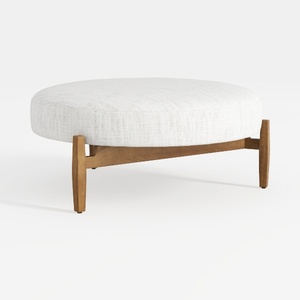

Minimalist Mid Century Fabric Round Ottoman 3D Model
Homestyler is your go-to online home design platform! With an easy-to-use design tool, stunning 3D renderings, a wealth of design projects, and engaging DIY video tutorials, you can effortlessly transform your home into a masterpiece. Discover your style and create with confidence!
Progetta ora GRATIS
































