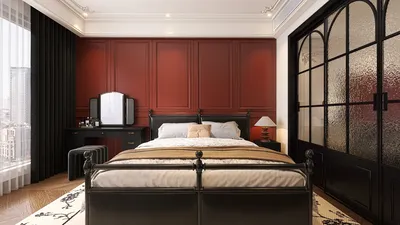


Grey serves as a subtle yet powerful element in interior design. Its versatility not only allows it to anchor minimalist spaces but also ensures it complements vibrant accents beautifully. In many of my projects, grey shines brightest when enhanced with rich textures, carefully selected lighting, and intentional spatial arrangements. Research from Steelcase indicates that balanced and low-stimulus color schemes can lower cognitive fatigue, thus fostering improved concentration in multifaceted environments. Moreover, WELL v2 guidelines highlight the necessity of managing glare and ensuring appropriate illumination; when grey tones are combined with ambient lighting ranging from 3000 to 3500K and task lighting boasting a CRI of 90 or above, colors appear more vivid and surfaces gain a more complex texture.
According to color psychology research compiled by Verywell Mind, neutral shades like grey are known to minimize arousal levels, making them perfect backdrops for areas focused on relaxation or concentration. However, to maintain energy, it's essential to infuse rhythm into neutrality. My approach generally involves layering three shades of grey using a 60/30/10 ratio—starting with a light base, followed by a mid-tone for furniture or drapes, and a deep accent for details like millwork and frames. A Gensler workplace report underscores the importance of visual balance: contrasting layers (light walls paired with darker floors and mid-toned furniture) enhance wayfinding and clarity, which translates effectively into living spaces and studios.
Create Your Tailored Grey Palette
Begin by identifying the undertone. Warm greys, which incorporate hints of taupe or beige, beautifully complement natural oak, terracotta, and brass details; on the other hand, cool greys harmonize effortlessly with marble, chrome, and blue accents. To achieve a unified look, opt for soft grey walls with an LRV of 55–65, complemented by a striking charcoal rug or sofa. Ensure trim and ceilings are a shade lighter to enhance brightness and avoid a flat, monochromatic atmosphere. If you're experimenting with seating or cabinetry, I recommend testing large paint swatches in various lighting conditions, as the same grey can appear profoundly different under varying color temperatures.
The Hidden Depth of Texture in Grey Interiors
The true essence of grey comes alive through its textures. Combine a tightly woven wool rug with a linen sofa, introduce bouclé or felt cushions, and finish with tables showcasing a matte lacquer or brushed metal. I generally steer away from using glossy grey on expansive surfaces as it tends to feel sterile and can intensify glare. Instead, matte and eggshell finishes soften reflections and allow shadows to play, adding dimension. For walls, consider applying microcement or limewash in a mid-grey, as these finish options impart movement without overwhelming the space with patterns.
Illuminate Your Grey Space with the Right Lighting
Effective lighting is crucial in any space. Layer your lighting sources, which can include ambient (recessed or pendant fixtures operating at ~3000–3500K), task (desk lamps or under-cabinet lights in the 3500–4000K range), and accent (2700–3000K wall washers or picture lights). Following IES guidelines for living areas, you should aim for about 10–20 foot-candles of ambient light, increasing to 30–50 foot-candles for reading or work tasks. Ensure a high CRI of 90+ for accurate color rendering and consider implementing dimmers to create the desired mood. If glare presents a challenge, consider adding diffusers or indirect uplighting to maintain the softness of grey while avoiding hotspots.
Incorporating Layered Neutrals with Accent Colors
Grey harmonizes well with muted greens, deep blues, rust, and soft blush tones. In smaller spaces, it's best to limit accent colors to 10–15% of the overall visual area to uphold a sense of tranquility. The choice of metallics is also significant: brushed nickel and pewter maintain a cool tone, while aged brass or bronze can introduce warmth. When incorporating artwork, opting for frames in deep charcoal or black helps define edges and adds richness to the overall design.
Strategic Layout for Calm Flow and Function
The function dictates design layout. Positioning the sofa away from walls fosters pathways and aligns seating with focal points such as a fireplace or scenic views. In more compact areas, choose slim-profile sofas and armless lounge chairs to preserve a light visual footprint. Utilizing a room layout tool is beneficial for testing furniture placement; it allows you to simulate traffic flow and sightlines prior to finalizing arrangements. Maintaining storage solutions like media benches and window seats low and integrated keeps grey walls visible, ensuring a coherent backdrop.
Elevating Grey with Thoughtful Materials and Finishes
Mixing warm woods, such as oak and walnut, with cooler stones like soapstone or honed granite creates a well-balanced aesthetic. Use matte ceramic tiles in medium grey to anchor entryways and kitchens, contrasting them with satin black hardware to achieve a sharp look. For an eco-friendly approach, consider wool rugs, FSC-certified woods, and Greenguard-certified finishes to minimize VOCs—grey elements appear their best in spaces where the air quality is high and light is ample.
Achieving Acoustic Comfort in Grey Interiors
Soft finishes are essential for controlling sound within spaces. Layering floor coverings, drapes, and upholstered panels helps absorb mid- to high-frequency noise. For rooms with high ceilings, consider adding fabric-wrapped baffles or a textured feature wall. A quieter environment allows the subtleties of grey to express intentionality rather than a flat appearance.
Smart Strategies for Small Spaces Using Grey
Utilizing light grey walls can enhance the perception of volume, especially when paired with high-reflectance ceilings. Extend curtains from floor to ceiling in a mid-grey to create an illusion of height, and discreetly incorporate storage behind panels as needed. Opting for glass or slender metal legs on furniture allows more flooring to be visible, maintaining open sightlines.
The Final Touches in Styling
Incorporate books, ceramics, and plants to beautifully accentuate grey spaces. Select pieces with matte finishes, rustic timber bowls, and lush greenery to introduce softness. Keep tabletop arrangements straightforward—group items in threes with varied heights to create visual interest. A singular large photograph or abstract artwork can serve as a focal point, while avoiding an excess of small frames promotes a calmer space.
In a loft designed with concrete floors, we introduced warmth into the cool greys by integrating walnut casework and applying 3000K track lighting with a high CRI, which enriched wood tones and softened the overall ambiance. In a compact studio, shifting the sofa away from the wall by just twelve inches enhanced circulation and minimized visual clutter, allowing the grey backdrop to feel deliberate rather than purely functional.
Standards and Research Recommendations
In addressing lighting efficiency and glare management in grey interiors, I frequently reference IES standards regarding illuminance and light distribution. For aspects of human comfort, such as light quality and materials as well as acoustics, WELL v2 offers valuable insights into air quality and visual comfort that significantly influence how neutral colors are perceived.
Frequently Asked Questions
Q1: What undertone should I choose for grey paint if my light shifts throughout the day?
A: A grey paint with neutral to warm undertones that has little blue or green is usually a safe bet. It’s best to test it under evening light at 3000–3500K and during the day; choose a paint with an LRV of around 60 to strike a balance between brightness and grounding.
Q2: How do I avoid making a grey room feel chilly?
A: Introduce warmth through metals (like brass), natural wood elements, and textiles with rich textures. Use ambient lighting around 3000K and dimmers; combining matte finishes helps to reduce glare, which often contributes to a cold atmosphere.
Q3: What is the optimal ratio of greys for achieving balance?
A: A suggested ratio includes 60% light grey (for walls and ceiling), 30% mid-tone grey (for textiles and furniture), and 10% deep grey (for frames and millwork). This setup yields contrast that's noticeable yet not overwhelming.
Q4: Which accent colors match best with grey for a modern aesthetic?
A: Muted shades of sage, midnight blue, rust, and blush all work beautifully. Limiting accents to only 10–15% of the visual space helps uphold a serene and polished ambiance.
Q5: What lighting considerations should I adhere to?
A: Strive for around 10–20 foot-candles of ambient light in livable spaces, increasing to 30–50 for reading areas, while utilizing sources with a CRI of 90 or above. Following IES guidelines on glare management will help maintain the softness of grey tones.
Q6: What steps can I take to enhance acoustics without disrupting the overall design?
A: Layering rugs, lined draperies, and upholstered seating can effectively control sound. Should the need arise, consider adding fabric-wrapped panels in complementary shades of grey behind artwork to maintain a cohesive aesthetic.
Q7: What materials contribute to a timeless grey palette?
A: Elements like wool, linen, oak, walnut, honed stone, and matte ceramics are all excellent choices. They not only age gracefully but also exhibit texture, which adds depth in neutral designs.
Q8: Is it feasible to use grey in limited spaces?
A: Absolutely. Bright grey walls, reflective ceilings, and slim-profile furniture work harmoniously. Employing floor-to-ceiling drapery in a mid-grey also enhances height, while glass or metal legs can broaden visible floor space.
Q9: Are cool greys still fashionable for 2024–2025?
Indeed, cool greys remain in vogue, particularly when juxtaposed with warm wood tones and brass elements. This combination of cool surfaces and warm accents fosters a trendy yet livable atmosphere.
Q10: How do I select grey flooring without creating a flat ambiance?
Choose medium grey flooring that features grain or movement, such as engineered wood in smoked oak or subtly veined stone. Pair it with lighter walls and darker furnishings to achieve a harmonious rhythm.


Homestyler is a fantastic online home design platform perfect for anyone looking to transform their space. With its user-friendly design tool, stunning 3D renderings, and a wealth of DIY video tutorials, you can easily explore innovative ideas and create your dream home with confidence!
Design Now for FREE
































