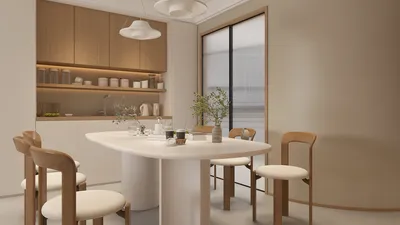


I once overlooked a small section of flaking paint behind a bookshelf, thinking it was just part of the "decorative distressing" trend. However, I learned the hard way when that entire corner peeled away during a move, leaving my client's living room looking like a chaotic abstract painting. This experience reinforced the importance of diagnosing the underlying problem before starting any repainting project and often encouraged me to envision how the finished wall would integrate into the room's overall design, perhaps with the help of tools like Homestyler for visualizing in 3D.
1. Identify the underlying issue first
At the onset of every job, I inquire: Is the cause moisture, inadequate initial preparation, or is the paint simply aging? The appropriate solution hinges on that diagnosis. It’s vital to address moisture issues before touching the paint, whereas adhesion problems may require additional sanding and the use of a bonding primer.
save pin
2. Properly scrape, sand, and clean
Peeling paint usually doesn’t come off in neat sections. My process involves scraping off loose paint, sanding the edges smoothly, and vacuuming or wiping away dust—clean surfaces are essential for new coatings to adhere effectively. While this step may take extra time, neglecting it is a common reason for paint to start peeling again within a year.
save pin
3. Choose the right primer and paint
If adhesion was the problem, using a high-adhesion primer can make a significant difference. For walls showing stains or tannins, a stain-blocking primer can prevent future complications. Although the upfront cost may be higher, it’s worth it as quality paint can halve the frequency of repaints—I've had clients who significantly reduced their repainting needs by investing in better primers.
save pin
4. Transform repairs into design opportunities
If the damaged area is extensive or noticeably patchy, I often suggest embracing the imperfections through texture or accents. Features like board-and-batten details or washable plaster finishes, or even selective wallpaper, can camouflage imperfect repairs while adding character. This approach not only saves costs in smaller spaces but also creates a curated look, although it might not appeal to every homeowner’s preferences.
save pin
5. Ensure future peeling prevention through maintenance
Repairing peeling paint is one challenge; preventing it from happening again is quite another. Enhancing ventilation in humid areas, avoiding painting over damp surfaces, and performing touch-ups on chips before they spread can make a difference. Additionally, I advise clients to map out problematic walls prior to major repairs, ensuring that the restoration plan aligns with the room’s overall flow—this helps eliminate surprises and extra work.
save pin
FAQ
Q: Why is my paint peeling inconsistently?
A: Localized peeling typically results from trapped moisture, insufficient surface preparation, or incompatible layers of paint. It’s wise to check for leaks and test adhesion with a minor scrape.
Q: Is it permissible to paint over peeling paint without scraping it?
A: No—painting over peeling surfaces almost always leads to further peeling. It’s essential to remove loose material, sand, clean, prime, and then repaint to achieve a lasting finish.
Q: What type of primer should I select for peeling areas?
A: Opt for a high-adhesion or bonding primer for slick or challenging surfaces; for surfaces with tannin or water stains, a stain-blocking primer is recommended. Always check product labels for surface suitability.
Q: How can I tell if peeling paint contains lead?
A: If your home was constructed before 1978, peeling interior or exterior paint may contain lead. Guidance on testing and safe removal can be found at the U.S. EPA website: https://www.epa.gov/lead.
Q: Should I tackle this myself or hire a professional?
A: Smaller, well-defined peeling areas are often suitable for DIY efforts if you take proper preparation and priming steps. However, larger sections, moisture issues, or suspected lead paint necessitate professional intervention to ensure safety and thoroughness.
Q: What tools are necessary for basic repairs?
A: Essential tools include a scraper, sanding block, vacuum or tack cloth, patch compound, primer, and paint. Additionally, high-quality masks and good ventilation are critical when sanding older finishes.
Q: How long should I wait after repairs before using the room?
A: Both primer and paint require sufficient curing time—typically around 24 hours for primer and 24 to 48 hours for topcoats, but always adhere to the manufacturer’s guidelines. There are quicker drying paints available, but they may pose challenges in achieving an even application.
Q: Can I merge repairs with a minor remodel?
A: Definitely. I frequently recommend coordinating repairs with small enhancements—such as new trim or fixtures—to ensure that the wall refresh feels deliberate. For comprehensive planning, I sometimes suggest utilizing resources like Homestyler for layout tips to harmonize aesthetics with functionality.
save pin
Homestyler is your go-to online home design platform, perfect for anyone looking to create stunning spaces. With its intuitive design tool, impressive 3D renderings, and a wealth of design projects and DIY video tutorials, you'll find everything you need to transform your home effortlessly!
Projete agora para LIVRE
































