

For more than ten years, I have researched, tested, and optimized electric room heaters in various environments including homes, studios, and small offices. When selected and implemented correctly, these compact devices can provide focused warmth without significantly increasing energy costs or disrupting your interior aesthetics. This guide summarizes my approach to evaluating different heater types, ensuring they are appropriately sized, strategically positioned to prevent drafts and glare, and integrated into a comprehensive comfort solution that also considers acoustics, lighting, and safety of materials.
Comfort encompasses much more than just temperature. As outlined in the WELL v2 Thermal Comfort guidelines, keeping operative temperatures within personalized comfort ranges and minimizing radiant asymmetry are crucial for perceived warmth. Additionally, research by Steelcase correlates physical comfort with enhanced cognitive performance and fewer distractions in work settings—thermal discomfort can severely hinder focus and productivity. These practical standards guide my decisions on heater placements, heat source layering, and the balance between radiant and convective warmth. For more insights into thermal comfort principles, explore the WELL v2 documentation.
Proper illumination is also crucial. Many heaters are equipped with indicator LEDs or illuminating elements. Following IES glare control protocols for task areas, I carefully position heaters to prevent indicators from shining directly into seating spaces, especially in areas suited for reading or desk activities illuminated to around 300–500 lux. The right heater and its placement can contribute significantly to both thermal and visual comfort, influencing how inviting a space feels and how long occupants may wish to remain.
Understanding Electric Heater Categories
Electric heaters can be categorized into three primary types, each exhibiting unique thermal characteristics and optimal application scenarios:
These units warm air and circulate it efficiently. They rapidly increase the ambient temperature and are ideal for smaller to medium spaces. Look for units featuring efficient DC fans, multi-stage thermostats, and low noise levels. For quiet environments like bedrooms or libraries, I recommend panel or micathermic heaters that operate silently without fans, thus minimizing dust dispersal.
These heaters provide direct heat to individuals and surfaces, making them excellent for spot-heating specific areas such as seating arrangements, workbenches, or cold corners in poorly insulated rooms. The immediate comfort they offer is directional; hence, I orient these units carefully to warm occupants without subjecting their eyes to harsh beams of light, thereby preserving visual comfort.
These models deliver consistent, stable, and noiseless heat through high thermal mass. They are perfect for bedrooms or spaces where noise sensitivity is crucial. They minimize short cycling and do not blow allergens around, though they do take longer to warm up, so I often use smart plugs or timers to preheat the space ahead of time.
Choosing the Right Size: Power Requirements, Room Volume, and Insulation
Selecting the appropriately sized heater is essential; oversized units lead to short cycling resulting in uncomfortable temperature fluctuations while undersized units overwork themselves and waste energy. As a guideline, for average insulated spaces, I typically recommend starting with around 10 watts per square foot (approximately 1,500 W for a 150 sq ft area), adjusting for ceiling height, air infiltration, and desired comfort levels. For high ceilings or poorly insulated rooms, consider increasing this to 12-14 W/ft². In compact bedrooms or well-insulated areas, 8-9 W/ft² is sufficient. When uncertain, utilizing a plug-in energy monitor along with a digital thermometer can help confirm runtime and temperature consistency.
Placement Strategies and Airflow Considerations
The placement of heaters is often more critical than many consumers realize. I avoid positioning heaters in corners where cold air can infiltrate (like next to drafty windows), preferring to install convective units close to cold sources but allowing for clear airflow—generally 6 to 12 inches from walls and away from drapes. Radiant heaters should be angled toward occupied areas, but not directly in walking paths. In larger living rooms, planning traffic flow and heat distribution early on is beneficial. If you’re reevaluating furniture arrangements and circulation, using a simple interior layout planner can help visualize heater coverage, seating ideas, and glare concerns before making any changes.
Energy Efficiency: Controls, Settings, and Scheduling
Efficiency is more about effective control mechanisms than merely wattage. Here’s what I look for:
In communal spaces or home offices, I pair heaters with smart plugs integrated with occupancy sensors or geofencing technology. Typically, lowering the temperature by 3-4 °F at night can conserve energy without compromising comfort in the morning. It’s important to keep temperature settings realistic; many people feel comfortably warm at 68–72 °F when dressed appropriately and avoiding significant radiant asymmetry.
Safety Features and Compliance
Always look for safety features like tip-over protection, overheat shutoff mechanisms, cool-touch exteriors, and high-temperature cables. Maintain clearances according to manufacturer guidelines—usually around 3 feet from combustibles with no obstructions over the units. Bathrooms should be equipped with specific models rated for moisture exposure, and in many areas, they require GFCI-protected circuits. Never connect high-wattage heaters to extension cords; always plug directly into a wall outlet. If a space also serves as a play area for children, it’s advisable to choose oil-filled or panel heaters that maintain safer surface temperatures.
Managing Acoustic Comfort and Visual Appeal
Fan noise can interfere with conversations and focus. In quieter spaces like reading areas and bedrooms, I recommend heaters that operate at or below 40 dBA or go for fanless designs. In work environments, sustained noise levels under approximately 45 dBA can boost concentration. Visually, I treat heaters as part of the interior setting: opting for low-profile units with neutral finishes that blend in with baseboards or cabinetry. Attention to cable management is also vital; I ensure cords are routed along furniture edges and secured with low-profile clips to avoid tripping hazards and unsightly clutter.
Light, Color, and Perception of Warmth
Perception is key to enhancing comfort. Using warm-white lighting with temperatures around 2700-3000 K can create a cozier atmosphere, while cooler lighting may make a room feel colder even at the same temperature. Research on color psychology suggests that warmer colors (such as reds and terracottas) appear more welcoming—consider incorporating them in textiles or accent walls to increase the perception of warmth without raising the heater’s temperature. Ensure that task lighting is glare-free; avoid having heater indicator lights directly visible from seating positions.
Material Selection, Air Quality, and Dust Management
Fan-driven units can distribute dust, which is not ideal for allergy-sensitive households. I prefer using panel or oil-filled heaters in those situations. Select low-VOC finishes for adjoining furnishings and curtains to prevent off-gassing when warmed. In creative spaces and workshops, always keep heaters clear of any aerosols or flammable materials and clean intake filters regularly. A quarterly vacuum of vents and fins will help maintain optimal performance.
Creating Zones and Layering Heat Effectively
I design homes with micro-zones in mind. Instead of heating the entire house to an uncomfortable level, I recommend keeping the central heating system modest while using electric spot heating in high-usage areas like work desks, sofas, and by the bed. Radiant units on low settings can significantly enhance personal comfort zones, leading to reduced overall energy consumption. In elongated spaces, positioning two smaller heaters strategically can often provide superior comfort compared to a single large unit located in a corner.
When to Choose Radiant Over Convection Heating
If you notice cold drafts near windows even with a stable thermostat, adding a low-glare radiant heater angled at the sitting area can help mitigate heat loss from your body to otherwise cold surfaces. For uniformly cool rooms, convective or oil-filled units would be more suitable. A combination of both might be necessary to address chilly walls and maintain an agreeable air temperature concurrently.
Examples of Sizing Requirements
Maintaining Your Heater and Ensuring Longevity
Quarterly, it's essential to clean the fins and grills, check the integrity of the cord, and verify the functionality of the tip-over shutoff. Annually, it’s wise to reassess the thermostat accuracy using a calibrated thermometer, tighten any loose feet or casters, and inspect for any discoloration on the casing due to heat. Regular cleaning will allow devices to operate more quietly and deliver consistent heating.
Operating Costs of Electric Heaters
Electric heaters are virtually 100% efficient at their point of use. The cost of operation scales with wattage and runtime; for example, a 1,500 W heater at an electricity rate of $0.15 per kWh will cost around $0.225 per hour at full power. Employing techniques like smart scheduling, effective zoning, and layering radiant heat can significantly reduce operating time. If electric rates are high in your location, consider opting for less powerful models that target localized heating or invest in improvements to your home’s insulation (like weather stripping and thermal curtains) to alleviate heating demands.
Common Mistakes I've Observed and Solutions
Frequently Asked Questions
Among the ideal options are oil-filled radiators or panel heaters that operate silently, providing a smooth flow of heat while avoiding dust circulation—perfect for bedroom environments.
Begin with approximately 10 watts per square foot in typical settings, then make necessary adjustments based on ceiling height and insulation quality. For a standard 150 sq ft room, around 1,500 W is a common upper limit for a single 120 V circuit.
In terms of function, absolutely—almost all the power consumed translates into heat energy. Gains in efficiency stem from setting up zones, smart controls, and proper sizing rather than the inherent technology itself.
Both types can be safe as long as they are certified and utilized correctly. Radiant models typically have hotter surfaces; I suggest selecting those that feature protective grills and observing proper clearances. Cooler-surface oil-filled units are often a better choice for homes with small children or pets.
Certainly. A small radiant heater directed at the occupied area can effectively reduce the chill from cold surfaces, allowing for a lower setting on the primary thermostat.
Choose heaters that produce noise levels at or below 40–45 dBA, or opt for designs without fans. Make sure to position them off to the side of microphones to avoid disrupting calls.
Position heaters near cold sources while ensuring unobstructed airflow, steering clear of drapes. Radiant units should be directed toward seating arrangements. If furniture arrangements are being reconsidered, utilizing an interior layout tool can aid in visualizing coverage and avoiding glare.
Yes, they can. Select models that have dimmable or obscured indicators, steering clear of any direct visibility from the bed or sofa. This approach aligns with glare reduction strategies commonly employed for task lighting.
Slightly lower temperature settings, implement scheduling setbacks, seal up drafts, and use radiant heating in occupied zones. Regularly cleaning intake vents is crucial for maintaining airflow and efficiency.
Extension cords should only be used if they are certified for the heater’s amperage and explicitly approved for resistive loads. Avoid daisy-chaining connections and always ensure the heater is plugged into a grounded outlet.
Employ bathroom-rated models, maintain proper spacing as per guidelines, and ensure the circuit is GFCI-protected according to local regulations. Moisture exposure necessitates additional precautions.
While they do not eliminate moisture, warmer air does reduce relative humidity. Introducing a small humidifier or placing bowls of water near radiators can assist in maintaining humidity levels within a comfortable 30–50% range.
It’s best to select low-VOC paints and finishes that can withstand heat. Avoid placing vinyls or delicate fabrics in proximity to high-temperature heating elements to prevent damage or off-gassing.
Homestyler's roots trace back to Autodesk, the global leader in design and engineering software. That heritage lives on in every feature we build. Today, with a community of more than 18 million users worldwide, Homestyler continues to make professional-quality interior design accessible to everyone — from first-time decorators to seasoned architects.
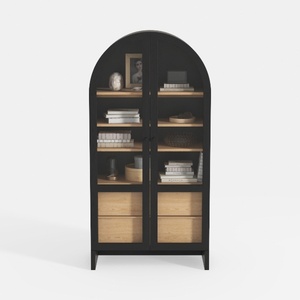
Modern Black Oak Arched Glass Display Cabinet 3D Model

Minimalist Solid Oak Fabric Storage Sofa 3D Model
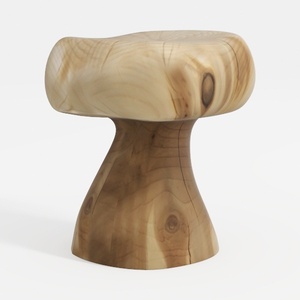

Minimalist Solid Wood Organic Shape Stool 3D Model
Homestyler is your go-to online home design platform! With an easy-to-use design tool, stunning 3D rendering, and a wealth of inspiring design projects and DIY video tutorials, transforming your space has never been easier. Unleash your creativity and bring your vision to life today!
Design Now for FREE
































