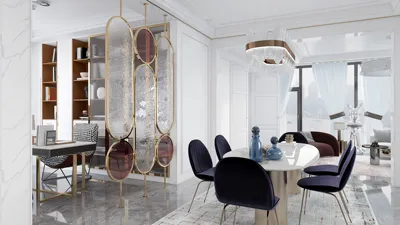


I frequently choose ivory due to its versatility under natural daylight, its appeal in warm evening lighting, and its timeless nature. Ivory sits perfectly between warm white and soft cream, forming a neutral base that harmonizes beautifully with both cool and warm color schemes. In living spaces, it softens edges, brightens shadows, and allows materials to shine without overwhelming visual clutter.
The way we perceive color in an ivory-centric design shifts depending on lighting conditions. According to WELL v2 guidelines, a brightness level of 300–500 lux is optimal for living areas, enabling ivory to remain visible without causing glare; pairing this with warm white lamps of 2700–3000K retains the hue’s inviting quality. Visual comfort also plays a crucial role alongside ergonomic seating—guidelines from IES suggest maintaining illumination levels of about 10–30 footcandles (approximately 100–300 lux) for living spaces, with more illumination in task areas. A well-balanced layer of lighting ensures ivory looks its best while avoiding flatness. Research from Gensler emphasizes that balanced lighting and calming color palettes reduce visual stress, a principle that applies beautifully to living rooms. For more detailed information, refer to the WELL v2 Lighting and IES standards: WELL v2 (wellcertified.com) and IES Standards (ies.org/standards).
Ivory + Charcoal: A High-Contrast Elegance
Integrating charcoal in trims, feature walls, or window frames gives ivory walls a crisp, defined edge. A recommended ratio is 70% ivory, 20% charcoal, and 10% accents (metal or wood) to maintain lightness. Utilizing matte charcoal on large vertical surfaces helps reduce shine; ivory sofas paired with textured rugs can soften the visual contrast. A brass floor lamp or burnished bronze hardware infuses warmth into the scheme without complicating it.
Ivory + Sand + Walnut: A Modern Earthy Palette
Combine sand-toned textiles with walnut furnishings or coffee tables to create a grounded, serene palette. Choosing mid-tone wood with a satin finish prevents the space from appearing overly yellow. To add texture, consider boucle or linen upholstery. Additionally, a striped jute rug can introduce rhythm and define circulation paths.
Ivory + Sage Green: A Refreshing and Restorative Choice
Introducing sage brings a calming biophilic element that feels refreshing year-round. Consider painting built-ins or an accent wall in soft sage while keeping ceilings and larger surfaces in ivory to enhance light reflection. Sage complements brushed nickel or aged brass fixtures superbly and incorporating leafy plants and organic ceramics emphasizes the tones and provides variation in shine.
Ivory + Navy: A Timeless Classic
Navy adds structural definition—ideal for millwork, bookcases, or window treatments. Utilize light-reflective ivory plaster walls or limewash, making navy the contrasting color on recessed shelves. A cognac leather addition offers warmth, while a vintage rug with indigo threads ties the color scheme together. Position navy strategically near focal points, using ivory in circulation-heavy areas to maintain brightness.
Ivory + Blush: Soft and Contemporary
To achieve a gentle, modern atmosphere, blush accents through cushions, art, or a singular armchair add subtle vitality. Opt for a greyed blush rather than a vibrant pink to steer clear of a juvenile impression. Balance this with pale oak materials and airy linen sheers. A polished chrome lamp helps keep the palette sharp.
Ivory + Black + Brass: Minimalist Glamour
Utilizing a trio of neutrals can create a striking look: ivory walls, black accents (like lighting or frames), and brass details. Select satin or antique brass finishes to avoid glare. Maintain clean lines with black accents—think minimal sconces and slender coffee table bases. Incorporating a textured ivory rug provides warmth and prevents the room from feeling stark.
Ivory + Terracotta: Warm Mediterranean Vibes
Terracotta elements such as pottery, tiles, or textiles enliven ivory without overwhelming it. Best used in small doses, consider terracotta pillows, a ceramic lamp, or a tiled fireplace surround. Pair them with textures like coarse linen or rattan. If the room leans cool, draping a terracotta throw over an ivory sofa balances the palette beautifully.
Ivory + Greige: Subtle Luxury
Greige trims and drapes work harmoniously with ivory in spaces designed for sophistication. Maintaining layered finishes—like silk-wool rugs, suede cushions, and honed stones—creates maximum texture and minimal pattern. This combination works well in north-facing rooms where light can desaturate colors; greige retains complexity, while ivory keeps brightness intact.
Ivory + Slate Blue + Warm Oak: A Harmonious Cool-Warm Blend
Slate blue imparts a cool visual temperature, balanced by warm oak floors. Consider painting a media wall slate while keeping the ceiling in ivory, and lay oak flooring in wide planks to enhance the space visually. Adding ribbed glass or linen shades can diffuse light softly across ivory surfaces.
Lighting Strategies to Enhance Ivory
Ivory thrives on layered lighting. Combine ambient ceiling lights (2700–3000K) with wall washes that lift texture and task lamps positioned near seating. Ensure brightness variations are moderate to avoid harsh contrasts. Striving for a CRI of 90+ helps in accurately rendering whites and wood tones. To mitigate glare where risk exists, opt for diffused shades or indirect fixtures, and integrate dimmers for a cozy evening ambiance that doesn’t flatten the color.
Texture, Material Choices, and Sheen Management
Ivory is sensitive to sheen levels: overly glossy finishes can appear cold, while excessively matte ones can look chalky. I prefer eggshell finishes on walls, matte on ceilings, and satin for trim. Mixing textiles—boucle, wool, raw silk, and slubbed linen—creates micro-shadows that deepen ivory’s visual complexity. Prioritizing sustainability with natural fibers and FSC-certified woods, along with honed stone and limewash finishes, enhances breathability and gentle reflectance.
Pattern, Proportion, and Visual Flow
Use patterns sparingly: consider geometric shapes in navy, stripes in sand, or small-scale floral designs in sage. Keep larger elements (like sofas and walls) calm in ivory, and apply patterns to mid-size items to avoid visual chaos. Maintaining a general balance of roughly 60/30/10 among base, secondary, and accent colors ensures cohesion. Incorporating vertical elements—such as bookshelves or pleated drapes—enhances order that ivory beautifully supports.
Ergonomics and Comfort in Design
Color influences behavior. Ivory alleviates visual fatigue compared to more vibrant palettes, especially in consistent lighting conditions. Arrange seating to promote conversational spaces while maintaining clear circulate paths of at least 900 mm. Using a room layout tool can help simulate furniture arrangement and optimize sightlines.
Maximizing Small Spaces with Ivory
Ivory creates an illusion of more space. Paint ceilings and higher walls in ivory while introducing darker shades on lower elements (like rugs or cabinets) to ground the area. Position mirrors across from windows to reflect light and maintain tranquility. In compact spaces, steer clear of excessively cool whites; ivory’s warmth ensures a welcoming atmosphere.
Accent Decor: Metals, Art Pieces, and Greenery
Metals: use brass for warmth, nickel for a cool touch, and blackened steel for a contemporary edge. Art: select pieces incorporating hints of secondary hues (sage, navy) to unify the palette. Greenery: broadleaf plants create a sculptural contrast against ivory, and terracotta or limestone pots can echo the aesthetic effectively.
Caring for the Durability of Ivory
Ivory remains attractive when fabrics are performance-rated and paints are washable. Opt for removable cushion covers, stain-proof rugs, and slipcovers that can be easily cleaned. When selecting paint, test samples on-site, as varying daylight can alter undertones noticeably. Ensure touch-up paints are well-labeled, as batch differences can be apparent on expansive ivory surfaces.
Frequently Asked Questions
Using warm white lamps ranging between 2700–3000K helps preserve the nuances of ivory. Pair this with ambient lighting at 300–500 lux in living rooms to reduce glare and maintain a comfortable contrast.
Layer textures such as linen, boucle, and wool, varying the sheen from eggshell for walls to satin for trims, while incorporating subtle contrasts with shades like charcoal, navy, or walnut. Utilize wall washing and adjustable task lamps to create depth.
Sage green offers tranquility, navy introduces structure, blush contributes softness, and terracotta provides warmth. Keep accents confined to roughly 10–20% of the visible space to avoid clutter.
Indeed, ivory enhances the perception of space. Keep darker tones in lower furnishings (like carpets and bases), maintain ivory ceilings, and position mirrors to reflect light effectively.
Brass offers warmth to ivory; nickel and chrome keep the look crisp, while blackened steel provides contrast. Avoid glare by selecting satin finishes that promote visual comfort.
Use eggshell for walls to provide subtle reflection, matte on ceilings to cover imperfections, and satin on trims for added durability. Always test samples in both daylight and artificial light before finalizing your choice.
Absolutely—set large areas in ivory, using bold patterns on mid-sized accents like cushions or drapes. Stick to a controlled color palette to maintain order and prevent visual disruption.
Use walnut for depth, warm oak to maintain balance, and ash for a lighter Scandinavian appearance. Opt for matte or satin surfaces to create harmony with ivory’s soft reflectance.
Define clear paths of 900 mm for circulation, establishing seating arrangements that invite conversation, and test out designs with a room layout tool to gauge scale and sightlines appropriately.
High-quality paints with UV resistance and low-VOC formulations will preserve color longevity. Regular exposure to light and routine cleaning contributes to consistent aging.

Homestyler is your go-to online home design platform! With its user-friendly design tool, stunning 3D renderings, and a wealth of DIY video tutorials, you can effortlessly create and visualize your dream spaces. Dive into inspiring design projects and transform your home today!
Projete agora para LIVRE
































