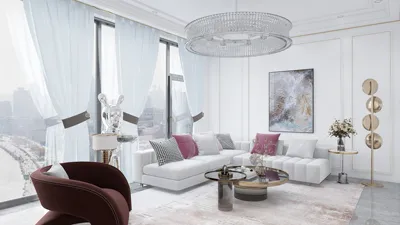


When it comes to designing room doors, I view them as essential components that influence a home's flow, illumination, and sound management. An expertly selected door not only enhances privacy but also helps shape sightlines and the overall perception of a space, all without the need for significant structural changes. In living spaces that can transition from cozy conversations to vibrant gatherings, the door's design—including its shape, operation, finish, and transparency—should align with how individuals utilize the area.
Research supports the significance of these seemingly minor design choices. A study from Steelcase highlights that uncontrolled noise is one of the main distractions in communal spaces, which directly affects living rooms where social and entertainment activities occur simultaneously; choosing the right door can significantly lower sound transmission and foster concentration in adjoining areas. With regards to daylight accessibility and visual integration, guidelines from WELL v2 indicate that glazing in doors can enhance these aspects, subsequently improving occupants' comfort and mood. Studies in color psychology emphasize that warm neutral shades bring a sense of welcome, while soft blues are linked with tranquility; these color palettes are excellent choices for doors that serve dual purposes as social spaces and personal retreats. For standards on light management and preventing glare when using glass doors, I rely on IES guidance to ensure optimal luminance balance at thresholds.
Defining the Design Intent
Prior to drafting designs or selecting materials, I clarify the primary function of the door: whether to promote openness or provide privacy, to offer a soft touch or make a bold statement, and to facilitate flow or introduce pauses. Households that frequently host gatherings might prefer expansive openings or sliding systems that fold away, while individuals who are more inclined to read or work remotely may require solid, sound-dampening doors. This purpose significantly influences the choice of door type, materials, and level of transparency.
Door Styles That Cater to Contemporary Living
• Pivot doors: An ideal choice for making a modern statement, the offset pivot mechanism minimizes space requirements while adding a sculptural effect. Pairing them with minimalistic jambs enhances their sleek lines.
• Sliding pocket doors: Where wall depth permits, these doors conserve floor space and eliminate swinging issues, making them perfect for tight living quarters.
• Barn-style sliders: With refined tracks and hidden soft-close mechanisms, these doors exude a contemporary vibe rather than a rustic aura. Opt for sleek slab fronts equipped with linear pulls for a modern refresh.
• French doors featuring slender muntins: Lighter frames maintain daylight influx and visual connection while providing a tactile hint of privacy.
• Bi-fold doors: Ideal for wider openings leading to media niches or library walls, selecting solid cores enhances sound-proofing.
• Flush hinged doors: A classic option, these doors incorporate invisible hinges and full-height dimensions, offering a calm, gallery-like ambiance.
Traffic Flow, Layout, and Human Factors
I plan traffic routes and turning radii to avoid congestion, ensuring that door swings leave ample space around seating areas. For versatile hosting, positioning the door along the room's main axis instinctively improves sightlines and minimizes cross-traffic through conversation zones. If you're evaluating various room configurations, utilizing a design simulation tool such as Homestyler can efficiently visualize clearances and door influences in moments.
Light, Glare, and Transparency Management
Incorporating glass doors can significantly enhance a drawing room when maximizing daylight is essential. I recommend low-iron glass for optimal clarity or fluted glass to diffuse views while maintaining brightness. To manage glare, I balance light levels between adjoining spaces to follow IES's recommendations: steering clear of severe brightness differences at the doorway to ensure comfortable eye adjustment. Selecting hardware finishes that reduce glare, like brushed nickel or satin bronze, helps minimize reflections in strong light.
Sound Management and Privacy Enhancement
In homes with multiple functionalities, doors act as sound moderators. Solid-core doors provide better soundproofing compared to hollow-core alternatives; for optimal performance, I combine these with perimeter seals and drop seals to restrict noise leakage. Sliding systems are greatly improved with soft-close dampers and continuous tracks to minimize rattling. If privacy is vital, laminated glass for sliding doors offers superior sound isolation compared to standard glass. Complementing this with soft furniture and rugs completes the acoustic insulation.
Color Psychology and Finish Choices
Warm whites and sandy hues encourage sociability without overwhelming brightness, while muted greens foster a calming environment when your drawing room serves as a reading haven. Deeply colored doors convey strong impressions but may require careful lighting and wall tones management to avoid heaviness. Pairing matte finishes with textured wall surfaces creates a pleasing contrast, while subtly glossy doors in low-light spaces can help amplify ambient lighting.
Selecting Materials and Sustainability Practices
Engineered wood featuring FSC-certified cores provides durability while being environmentally conscious. For a more seamless appearance, veneered doors with consistent grain patterns offer beauty free from the issues posed by solid wood. Powder-coated metal frames around glass doors strike a balance between resilience and sleek design. In moisture-prone areas, composite cores stay flatter over time. I avoid solvent-heavy finishes in favor of low-VOC options that support indoor air quality as noted in WELL v2.
Door Proportions, Scale, and Visual Harmony
Opting for full-height doors (at least 8 feet tall where possible) visually amplifies space and creates an architectural serenity. Slim profiles on glazed doors help maintain uninterrupted views. For solid doors, subtle vertical reveals or shadow grooves can provide a rhythmic effect without excessive ornamentation. If nearby artwork decorates the wall, I keep door detailing minimal so it enhances rather than competes with the visual interest; the door should serve as a framing device for the room's aesthetic.
Door Hardware: Functionality and Aesthetics
Hardware functions as the room's handshake. I prefer lever handles over knobs for enhanced usability across various age groups. Magnetic latches ensure a tidy closure while decreasing mechanical noise. Surface pulls on sliding doors should be designed for comfort with multiple grip options; elongated pulls measuring between 300–400 mm deliver leverage without added bulk. Consistency in finish across hinges, pulls, and latches is crucial for a cohesive look.
Safety, Access, and Clearance Considerations
Typically, door widths of 800–900 mm provide a suitable compromise between accessibility and standard residential dimensions. Ensuring an additional 300 mm of clearance on the pull side prevents pinch points near seating or cabinets. In cases of stepped transitions, employing contrasting thresholds signals level changes effectively. Implementing soft-close mechanisms on slider doors and hinge dampers significantly reduces the risk of finger pinches in family environments.
Trends for 2024–2025 to Consider
• Slim-profile steel and aluminum frames with enhanced thermal performance for comfort.
• Full-height flush doors in natural veneers such as walnut, rift oak, or ash, paired with matte black hardware for a sophisticated appearance.
• Reeded or ribbed glass allows light while ensuring privacy, particularly beneficial in urban living settings.
• Concealed tracks for sliding and pocket systems for a streamlined aesthetic.
• Experimenting with colors: muted blues and moss greens are excellent choices for creating relaxing living areas, supported by color psychology insights.
Essential Installation Guidelines
It's crucial for walls to be plumb and true prior to the installation of full-height doors; even minor discrepancies can become visually stark. I ensure the alignment of tracks on sliding systems and specify durable headers capable of supporting the weight of doors, especially when dealing with laminated glass. Using floor boxes and reinforced jambs for pivot doors is mandatory. Acoustic seals must be consistently applied and compress adequately; any gaps at the top or bottom will compromise effectiveness.
Maintenance and Durability Practices
Matte finishes tend to show fewer fingerprints; should a high gloss be necessary, opt for textures that minimize visibility of smudges. It’s essential to replace soft-close dampers when they exhibit bounce-back, as well as reapply lubrication to hidden hinges annually. When cleaning glass, non-ammonia-based products are recommended to protect surface treatments. Veneer doors should be periodically conditioned, particularly near HVAC vents which may dry the wood fibers.
Referencing Standards and Research
For effective lighting and glare mitigation around glazed openings, I refer to IES standards regarding luminance balance. For improved wellness, nuances concerning daylight and materials, it is crucial to adhere to WELL v2 guidelines. Insights from Steelcase's research database prove useful in understanding behavioral patterns in shared spaces and their influence on sound distractions, especially pertinent in living areas.
Frequently Asked Questions
Q1: Which type of door best balances openness and privacy in a drawing room?
Often, a pivot or French door fitted with fluted glass provides an ideal equilibrium—allowing light to pass while blurring shapes and enhancing privacy compared to clear glass options. For acoustic needs, solid-core hinged doors with proper seals excel in performance.
Q2: What is the recommended width for my drawing room door?
A width of 800–900 mm is suitable for the majority of homes. If you foresee frequent gatherings or need to accommodate large furniture, consider enlarging to 900–1000 mm, or using a pair of narrower French doors for a wider passage.
Q3: Are sliding doors suitable for compact apartments?
Absolutely. Pocket sliders eliminate swing conflicts and optimize floor space. Be sure to assess the depth of the wall cavity intended for the pocket and incorporate soft-close tracks to minimize noise impact.
Q4: How can I minimize sound transfer without using bulky doors?
Specify a solid-core panel with concealed perimeter seals and a magnetic latch. For sliders, laminated glass and continuous tracks are highly effective. Enhance the space with textiles such as rugs and drapes to absorb sound reflections.
Q5: What finishes are robust enough for everyday use?
Matte or satin finishes effectively conceal fingerprints and minor blemishes. For hardware, brushed metal options resist visible deterioration compared to polished chrome. In busy households, prioritize durable lacquered or powder-coated surfaces with low-VOC options.
Q6: In what ways does glass selection impact glare and overall comfort?
Low-iron glass enhances clarity dramatically; fluted or engraved textures diffuse light, softening sharp contrasts. It's important to ensure that illumination is balanced between rooms to prevent harsh brightness transitions at doorways, adhering to IES guidance for luminance.
Q7: What color choices promote relaxation and social interaction in the room?
Reliable options include warm neutrals and gentle blues. Warm tones create an inviting atmosphere, while soft blues invoke tranquillity, as supported by color psychology evidence. It's vital to match the door's finish with that of surrounding walls and flooring to maintain visual harmony.
Q8: Are full-height doors worth the investment?
Yes, where ceiling heights permit. They expand visual space, minimize clutter caused by transoms, and provide a contemporary look reminiscent of art galleries. It's important to make sure the framing and hinges are built to accommodate the additional weight.
Q9: Which hardware enhances usability for users of all ages?
Lever handles are generally easier to use than traditional knobs. Additionally, using magnetic latches and soft-close mechanisms enhances safety and minimizes noise. Long pulls for sliding doors offer necessary leverage without causing strain.
Q10: How can I ensure a barn-style slider appears modern instead of rustic?
Choosing a flush slab, using concealed or minimized tracks, and selecting linear pulls in satin finishes will help maintain a contemporary aesthetic. Match these elements with modern wall colors while avoiding bulkier cross-braces for a streamlined look.
Q11: What routine should I adopt to uphold door performance?
Regular maintenance includes annual hinge lubrication, checking seals, and replacing dampers when bounce-back occurs. Use non-ammonia products for cleaning glass and refresh the conditioning of veneer doors, particularly in areas near HVAC outputs.
Q12: Can doors contribute to increased daylight access?
Certainly. Glazed doors, particularly those with slender frames, can channel daylight deeper into the home while providing privacy with textured glass. This aligns with WELL v2's emphasis on light and maintaining visual connectivity.
Built on technology originally developed at Autodesk, Homestyler empowers anyone to design beautiful, realistic spaces in minutes. Join over 18 million users who have already discovered a smarter way to plan, visualize, and bring their dream homes to life — all from the comfort of a browser.
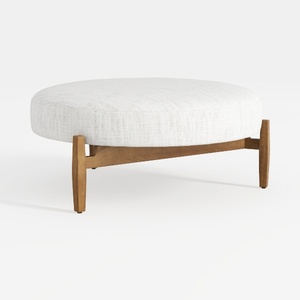

Minimalist Mid Century Fabric Round Ottoman 3D Model
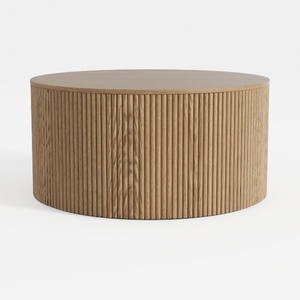
Minimalist Fluted Solid Oak Round Coffee Table 3D Model

Bohemian Rattan Round Coffee Table 3D Model
Homestyler is your go-to online platform for transforming your home design dreams into reality. With its user-friendly design tool, stunning 3D renderings, and a wealth of inspiring DIY video tutorials, you can effortlessly explore and create beautiful spaces tailored to your style.
Design Now for FREE
































