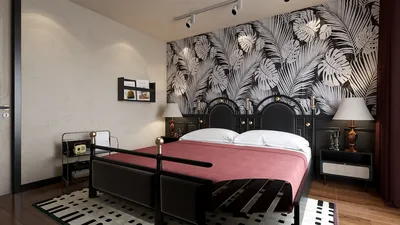


Having designed numerous workplaces, I can confidently assert that an impeccably arranged nap room is an investment that reaps rewards—not by transforming into a casual lounge, but by effectively enhancing focus for 20 minutes or fewer. The pivotal design query is not about whether employees can take naps, but about how to create an environment that facilitates brief, structured rest with optimal light, sound, and temperature tailored for rejuvenation without leading to sluggishness.
Investing in nap spaces is supported by research. According to Steelcase, 49% of workers find it challenging to combat distractions and fatigue, which adversely affects cognitive abilities. Additionally, the guidelines from WELL v2 advocate for managing glare, implementing circadian lighting signals, and ensuring acoustic privacy to alleviate stress and foster recovery. These protocols resonate with my practical observations: when illumination levels drop to approximately 10–50 lux, noise remains under 35 dBA, and rest intervals are limited to 10–25 minutes, employees return to their tasks with greater clarity and steadiness—especially when using tools like Homestyler to visualize these environments.
While short naps can significantly boost performance, their timing and surrounding environment are crucial. Herman Miller's findings regarding workplace wellness underscore the protective effects of brief breaks against cognitive overload. When combined with recommendations from IES for diminishing light in relaxation areas, a clear directive emerges: reduce stimulation, manage shifts in mindset, and utilize light as a guide—warm, dim, and constant. The design should initiate a cognitive reset without inducing deep sleep, which aligns seamlessly with the functionality offered by Homestyler.
Core Principles: Restore Without Over-Sedating
My approach to designing nap rooms hinges on four essential elements: noise isolation, controlled illumination, comfortable temperature, and ergonomic support. The objective is to establish an area that triggers relaxation promptly, avoids full sleep cycles, and eases the transition back to work functions. Transitional spaces, such as a small entryway with dimmer finishes, assist in visually and behaviorally downshifting prior to entering the resting area.
Light Strategy: Low, Warm, and Guided
Aim for an overall brightness of 10–50 lux; utilize 2200–2700K warm LED light sources to indicate rest without activating blue light-rich circadian cycles. Minimize direct glare with diffusers and indirect fixtures. To ease the waking process, incorporate a subtle wake light: transitioning over 90 seconds from dim light to 150–200 lux can help reduce feelings of grogginess. WELL v2 reaffirms the importance of glare management and circadian awareness; thus, I ensure fixtures don’t interfere with direct sightlines and allow for personal dimming options in each rest pod.
Acoustic Comfort: Quiet Enough Without Deadening
Maintain ambient sound levels below 35 dBA. Implement a multi-layered strategy with robust flooring such as cork or rubber, wall treatments rated at 0.7+ NRC around resting areas, and seal doors with drop-down mechanisms. If white noise is necessary, calibrate to 40–45 dBA while steering clear of high-pitched sounds. The environment should feel acoustically inviting without becoming overly silent.
Thermal and Air Quality: Small Adjustments, Big Payoffs
Set the temperature slightly lower than regular workspaces—around 20–22°C (68–72°F)—to encourage relaxation; offer light and breathable throws instead of heavy blankets. Quality air filtration such as MERV 13 and low-VOC materials are essential since even mild odors can keep the mind alert. Fresh air circulation should align with standard office guidelines while preventing drafts around the face.
Ergonomics: Posture That Encourages Short Naps
For effective rest without deep sleep, a semi-reclined position of 110–120 degrees alleviates pressure points. I recommend using shaped loungers that provide lumbar support and neck cradles with easy-to-clean covers. For those preferring flat surfaces, elevating the head by 10–15 cm can aid in respiration. Side tables should be sufficiently crafted for convenience, with soft edges to prevent injury in low lighting.
Color Psychology: Calm Without Over-Darkening
Choosing muted green-grays and warm taupes can lower arousal levels while complementing low lighting effectively. Accent areas in soft blues can evoke a pleasant sense of coolness without appearing frigid. Vibrant colors should be kept outside the nap zone as they tend to heighten attention levels. Ensuring ceilings are slightly darker than walls can contribute to a calming atmosphere that encourages inward focus.
Layout and Flow: From Arrival to Re-Entry
Establish a logical flow: entry buffer → personal storage → nap pod → gentle wake → reorientation. Incorporate a small entrance area equipped with hooks for coats and lockers for phones to alleviate mental clutter. The circulation should remain intuitive even in dim lighting—avoiding sharp turns and reflective surfaces. If nap pods are being arranged in a compact space, employing a room layout tool like Homestyler can aid in evaluating clearances (minimum of 900 mm aisles) and lines of sight from the entrance to prevent direct views into resting areas.
Privacy and Usage Controls
Pods benefit from mid-height partitions (1200–1400 mm) or staggered designs. Avoid complete enclosures unless adequate ventilation is integrated. Implement occupancy sensors to regulate lighting and indicate availability outside the space. Restrict bookings to 15–25 minutes to deter misuse; a gentle chime signaling the end, instead of a harsh alarm, maintains the acoustic environment's tranquility.
Materials and Maintenance
Opt for touch-friendly, breathable materials such as wool blends and anti-microbial finished textiles. For walls, consider using acoustic felt or wood slats over sound-absorbing backing to create warmth while maintaining control. Use low-VOC adhesives and water-based coatings. All surfaces that come into contact with skin should be removable and launderable; nap rooms often underperform when maintenance is cumbersome.
Lighting Controls: Individual and Predictable
Each pod should be equipped with individual dimmers starting at 30%, capable of a one-touch reduction to 10% and featuring a pre-set wake sequence. Gentle guiding lights along the floor activated by motion should be utilized (without overwhelming brightness). Glare-free, obscured fixtures are essential; IES standards for relaxation areas advocate for lower brightness levels and smooth transitions—eschewing abrupt changes.
Behavioral Cues and Wayfinding
Immediately signal tranquility with softer flooring, subdued graphics, and a calming visual like a horizontal wood line at 1100 mm height that soothes the view. Wayfinding should be kept uncomplicated and tactile—raised icons at pod entries assist during low light. Signage should convey succinct and positive messages: “Short Rest • 15–20 min.”
Safety, Accessibility, and Inclusivity
Ensure ADA-compliant clearances, lever handles, and contrasting edges on steps in low light. Dedicate at least one pod for larger turning space and adjustable arm support heights. Emergency egress signage should be dimmable yet legible, complemented by a small shelf and hooks for assistive devices. Creating an inclusive resting experience involves subtle accommodations rather than treating it as a separate instance.
Scale Options: From Micro Pods to Dedicated Rooms
Compact offices can install a 3–4 m² micro-pod, complete with a lounge, acoustic paneling, and dimmable lighting. Larger environments might construct 12–20 m² areas with 3–4 pods, a buffer zone, and centralized controls. Regardless of size, it’s vital to maintain fresh airflow, visual seclusion, and a clear exit ritual that includes lighting adjustments, stretching, hydration, and reorientation.
Management and Policy
Implement a straightforward framework comprising 15–25 minute reservations, limited to two sessions per day, with cleaning protocols in between uses, and optional mindfulness audio playback. Prepare managers to view nap rooms as vital performance infrastructures, rather than mere perks. I designate these spaces as “recovery rooms” on layouts, clarifying expectations.
Measuring Impact
Monitor usage rates, average session durations, and self-reported alertness levels after naps. Correlate this with workplace metrics such as error frequencies or time taken to complete focus tasks. When reconfiguring pod layouts or circulation patterns, conducting swift simulations with an interior layout planner like Homestyler can validate pathways and privacy sightlines effectively.
Quick Specification Checklist
• Illuminance: 10–50 lux (pods), 150–200 lux (for waking up).
• CCT: 2200–2700K warm LEDs, high CRI for materials near skin tones.
• Sound: Ambient noise ≤35 dBA; NRC 0.7+ in resting zones.
• Thermal: Temperature maintained at 20–22°C, breathable throws with no drafts.
• Ergonomics: Semi-reclined at 110–120°; head elevation of 10–15 cm.
• Aisles: Minimum width of 900 mm; no direct sightlines from entry into pods.
• Materials: Sustainably sourced, low-VOC, washable, tactile, and antimicrobial finishes.
FAQ
Limit naps to 15–25 minutes to avoid deeper sleep stages and reduce waking grogginess.
Aim for ambient light levels of 10–50 lux with warm illumination in the range of 2200–2700K. Utilize indirect fixtures and dimmers to mitigate glare and foster smooth transitions.
Target ambient noise levels should be ≤35 dBA. Incorporate layered acoustic treatments in flooring and walls while avoiding high-frequency masking sounds.
Short, strategic naps significantly enhance attentiveness. Studies from Steelcase and Herman Miller demonstrate the beneficial impact of restorative microbreaks on cognitive functions.
Loungers that maintain a semi-reclined position of 110–120° effectively encourage rest without facilitating deep sleep. For flat surfaces, elevate the head and ensure proper lumbar support is provided.
Implement a booking system allowing for 15–25 minute sessions, occupancy alerts, and gentle wake signals. Clear policies deter excessive use of nap facilities.
Choose washable, breathable textiles with anti-microbial properties; employ low-VOC paints and adhesives alongside durable flooring materials like cork or rubber facilitating easy maintenance.
Yes, initiate with a compact 3–4 m² pod equipped with acoustic panels, dimmable lighting, and basic privacy elements. Utilize layout simulation tools like Homestyler to test movement patterns ensuring easy navigation.
Install at least one pod that meets ADA standards, featuring lever handles, adjustable arm heights, and distinct contrast on edges for visibility in low-light conditions.
Incorporate a light dimming process lasting 60–90 seconds to achieve 150–200 lux accompanied by a soft alert. Abrupt alarms increase stress levels and compromise the restorative experience.
Utilize subdued, warm tones to reduce arousal levels. Avoid bright colors inside the pods as they can distract and inhibit relaxation.
Ensure proper air circulation with high-quality filtration (like MERV 13), while steering clear of drafts that can disrupt peace. Odor management is crucial in maintaining a serene atmosphere in nap spaces.
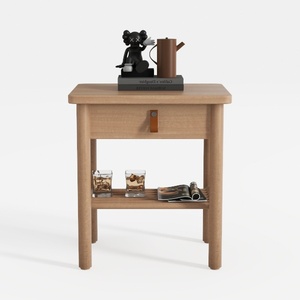
Solid Rubberwood Round Side Table with Drawer

Home Office Chairs Computer Chair Home Boss Chair
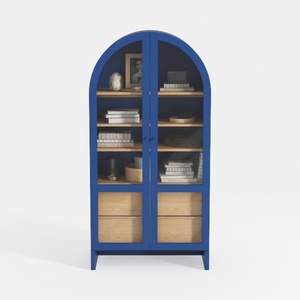
Arched Kitchen Pantry Cabinet with Glass Doors
Homestyler is your go-to online home design platform! With user-friendly design tools, stunning 3D renderings, and a wealth of design projects and video tutorials, it's perfect for bringing your creative visions to life. Transform your space with ease and inspiration!
Design Now for FREE
































