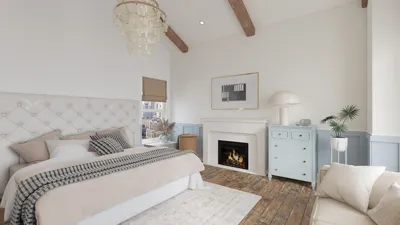


A couple’s bedroom should embody intimacy, equilibrium, and rejuvenation—never overly bright or stark. I start with shades that soothe circadian rhythms and smooth out edges: warm neutrals, soft pastels, and romantic dusk shades. Color psychology plays a crucial role here. Verywell Mind highlights that gentle blues and greens are linked to tranquility and stability, while warm neutrals foster comfort and understanding—elements essential to a shared space. Enhance this ambiance with lighting that honors human physiology; WELL v2 advises minimizing glare and balancing ambient and task lighting to enhance sleep quality and evening relaxation routines.
The choice of paint goes beyond just color; it influences mood and how we perceive space. Research from Steelcase shows that environments that feel comfortable and visually coherent can decrease cognitive load and promote relaxation—crucial for bedrooms where alleviating stress is vital. I prefer low-VOC paints to ensure better indoor air quality and select finishes that reduce reflections. The Illuminating Engineering Society (IES) recommends maintaining comfortable ambient illuminance in the bedroom at around 75–150 lux, reducing this prior to sleep for optimal rest. The finish of the paint affects glare; matte or eggshell generally offers a softer, more even light.
Warm Neutral Foundations
Start with a cozy foundation: greige, oatmeal, warm taupe, or a soft mushroom color. These tones act as a visual buffer—calming visual distractions and harmonizing various materials. They beautifully complement walnut, oak, boucle, and linen. I prefer an eggshell finish for a gentle glow that avoids harsh reflections. To prevent a flat appearance, vary tonal depth: paint the walls with a mid-warm neutral, the ceiling a shade lighter, and use an off-white with a creamy undertone for the trim.
Muted Pastels for Calm
Timeless in couple’s bedrooms, dusty blue, mineral green, and faded blush create serene atmospheres. Blue promotes tranquility; green fosters healing and stability; blush adds warmth without becoming overly sweet. I often apply these pastels either throughout the room or as a feature wall behind the bed to ground the headboard. To maintain maturity, I reduce saturation and incorporate earthy undertones—think sage as opposed to mint, smoke blue over sky.
Romantic Dusk Palette
When clients desire a snug retreat, I opt for evening-inspired hues: mauve-gray, aubergine blended with brown, and charcoal with a hint of violet. These create a sense of intimacy while remaining sophisticated. Keep ceilings lighter to avoid a claustrophobic feel, and include textured bedding—such as matelassé and washed linen—to balance the dramatic effect.
Two-Tone Harmony
It's common for couples to have differing color preferences. A dual approach can reconcile these tastes: paint upper walls a soothing neutral and lower walls a deeper tone, segregated by a delicate chair rail. Alternatively, the wall behind the headboard can be painted a darker shade while the remaining walls stay lighter. This method not only harmonizes differing preferences but also establishes visual rhythm that directs attention to the bed as the focal point. For planning sightlines and furniture arrangements, utilizing a layout simulation tool like Homestyler can help confirm proportions before committing to paint.
Earthy Greens with Natural Textures
Shades such as sage, bay leaf, and olive connect the room to the outdoors. Combined with materials like rattan, wool, and raw-edge wood, these shades create a tranquil retreat. Green’s restorative qualities make it ideal for shared spaces where relaxation is needed for both partners. Keeping trim in warm off-whites or pale stone helps prevent greens from becoming overwhelming.
Soft Blues with Warm Accents
Blue is widely regarded as the most favored color, yet I prefer to warm it up to avoid a chill: incorporating dusty blue walls, creamy trim, and caramel leather or brass accents. It's crucial to maintain color consistency—warm metals and wood tones temper blue’s coolness, making the space inviting instead of austere.
Layered Whites for Airiness
An all-white design can work if layered thoughtfully. Mix subtle undertones—ivory for walls, a chalky white ceiling, and a bone-colored trim—to keep the room from feeling sterile. Introduce texture through loop-pile rugs, nubby throws, and woven window treatments. In low-light rooms, whites enhance brightness; in sunnier spaces, opt for warmer whites to mitigate glare.
Moody Charcoal and Soft Contrast
For couples seeking sophistication, charcoal walls provide inviting calm. Balance this depth with light-colored linen drapes, pale wood floors, and soft bedside illumination. Maintaining a lighter ceiling creates a sense of vertical openness, while art with warm tones can soften the palette.
Accent Walls and Color Zoning
An accent wall can define the bed area without making the room feel smaller. Select the wall behind the headboard; keeping surrounding walls lighter maintains brightness. Color zoning can also be beneficial if the room serves as a small workspace: a deep, muted hue in the desk area (like deep sage) along with softer tones elsewhere can facilitate a behavioral shift between relaxation and productivity.
Sheen Selection and Lighting
The sheen of paint dictates reflectivity. Matte and eggshell finishes help keep bedrooms serene; satin can offer subtle highlights on moldings or doors. Align paint choices with layered lighting—using warm temperature lamps (2700–3000K), dimmable bedside fixtures, and indirect lighting where available. The WELL v2 guidelines emphasize glare control; pairing darker paints with diffused lamps can help soften contrasts in illumination.
Trim, Doors, and Ceilings
Trim color significantly alters the overall look. Utilizing warm off-whites and pale stone finishes helps soften bold wall colors and brings unity across different wood pieces. For ceilings, a slightly lighter shade than the walls prevents a sense of visual compression. If intimacy is desired, consider painting the ceiling a darker shade than the walls; this lowers the perceived height and enhances the cocooning effect.
Texture and Materials that Support Color
Paint looks its best when paired with complementary textures. Boucle and linen can mollify cooler palettes; suede and chenille enhance warmer schemes. Opting for sustainable materials promotes health and positive feelings—choose FSC-certified woods and low-VOC finishes. Materials that display subtle variations (like slubbed cotton or hand-troweled plaster) add richness to monochrome designs.
Color Psychology Alignment
I tailor color selections according to couple dynamics. Those who struggle with sleep benefit from cooler, low-saturation palettes that offer gentle contrasts. Conversely, individuals seeking warmth and connection often favor earthy tones paired with blush accents. The overview of color psychology by Verywell Mind underlines how color impacts our emotions; use this insight as guidance rather than strict rules.
Micro Palettes to Try
• Cozy Neutral: Mushroom walls, bone trim, linen white ceiling, brushed brass accents.
• Restorative Green: Sage walls, stone trim, oak furniture, woven jute rug.
• Romantic Dusk: Mauve-gray walls, warm white ceiling, walnut bed, matte black hardware.
• Soft Blue Blend: Dusty blue walls, creamy trim, caramel leather bench, burnished brass lamps.
• Layered Whites: Ivory walls, chalk ceiling, bone trim, boucle headboard, flax linen bedding.
Practical Planning Tips
Evaluate paint swatches in natural and artificial light—colors appear differently under varying temperatures. Position samples behind the bed and on opposite walls to assess both task and ambient lighting. If you're rearranging furniture for better functionality while updating color, preview the layout using an interior design software like Homestyler to ensure a seamless fit.
Authority Notes
• WELL v2: focus on glare control and equilibrium between ambient and task lighting to support sleep health.
• IES recommendations: sustain a comfortable ambient light level in the bedroom; lower light intensity as bedtime approaches.
• Steelcase findings: visual coherence enhances comfort and lessens cognitive load—reinforce this with harmonized palettes and textures.
FAQ
Q1: Which paint colors best support relaxation in a couple’s bedroom?
A1: Soft blues, muted greens, and warm neutrals consistently induce calmness; keeping saturation low and opting for warm undertones makes a space feel welcoming instead of chilly.
Q2: How do we merge differing color preferences?
A2: Consider a two-tone approach—using a deeper hue on the headboard wall and lighter shades on others, or contrasting upper and lower sections. Accents in bedding and artwork can reflect each partner’s preferred colors.
Q3: What sheen should we select to avoid glare?
A3: Opt for matte or eggshell finishes on walls; satin can be used for trim and doors if you want gentle highlights. Pair this with warm, diffused lighting for comfort.
Q4: Do darker colors create a smaller feel in bedrooms?
A4: They might, but by incorporating a lighter ceiling, soft drapes, and balanced lighting, dark walls can create an intimate atmosphere rather than feeling cramped.
Q5: How does lighting color temperature impact paint?
A5: Warm lighting (2700–3000K) enhances warm and neutral palettes; cool lighting may wash out warmer tones and intensify blues. Test paint swatches under both natural and artificial light.
Q6: What if our bedroom also functions as a small workspace?
A6: Color-zone the desk area with a focused muted hue (like deep sage) while maintaining softer shades in the rest of the room; this approach promotes a shift between resting and working without sacrificing calm.
Q7: Are greens truly restful for sleep?
A7: Green is associated with restoration and balance according to color psychology; muted, earthy greens (such as sage and olive) can be particularly soothing in sleeping spaces.
Q8: How can we achieve coziness in an all-white room?
A8: Layer different undertones (ivory, bone) while introducing textured materials (like boucle and wool) and using adjustable warm lighting. Steer clear of stark, cool whites that can feel clinical.
Q9: What trim color goes well with blush or mauve walls?
A9: Creamy off-whites or pale stone balances warmth without becoming overly sweet; avoid bright whites that could clash.
Q10: Is low-VOC paint a worthwhile investment?
A10: Absolutely—low-VOC paints enhance indoor air quality, which is particularly important in bedrooms. They also minimize odors and off-gassing during and after application.
Q11: How large should paint samples be for testing?
A11: Create swatches no smaller than 2x2 ft on various walls; colors can shift depending on orientation and lighting. Evaluate them throughout the day.
Q12: Can we incorporate black accents into a cozy palette?
A12: Absolutely—matte black accents, such as hardware or picture frames, provide contrast and elegance. Keep larger surfaces in softer tones to maintain warmth.

Modern Toile Upholstered Bed With Metal Ball Base Soft Bedding 3D Model
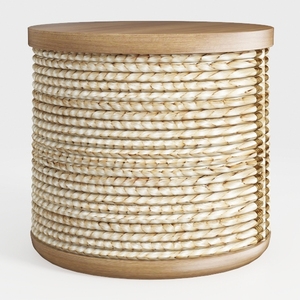

Minimalist Solid Oak Round Side Table 3D Model
Homestyler is an exceptional online home design platform that caters to both beginners and seasoned designers alike. With an intuitive design tool, stunning 3D renderings, and a treasure trove of video tutorials, you can effortlessly bring your creative visions to life. Start transforming your space today!
立即免费设计
































