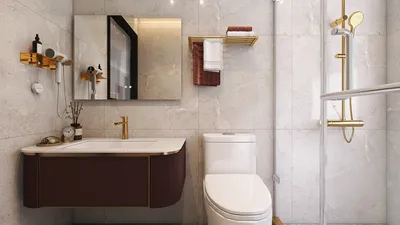


I view corner lighting as both an artistic element and a functional tool for setting the ambiance. The ideal corner lamp not only softens harsh lines but also anchors seating arrangements while drawing the eye upwards, which is incredibly useful in spaces with asymmetric designs or blank walls. In living rooms designed for both hosting and relaxation, I prioritize fixtures that provide a balance between ambient glow and targeted light, effectively manage glare, and blend in harmoniously with the room's existing textures and finishes. Additionally, utilizing tools like Homestyler can enhance this process by allowing for better planning of light placement.
Effective lighting significantly enhances people's emotional well-being and functionality. The WELL v2 standard advocates for maintaining comfortable glare levels alongside control measures to ensure visual comfort, while promoting layered lighting that accommodates various tasks throughout the day (WELL Light concept, v2). Research by Steelcase correlates comfort with improved well-being and productivity in shared environments, suggesting that adaptable settings—including lighting—help users to feel more at ease and engage better socially (Steelcase Research). This aligns with my observations that a dimmable and layered corner lamp can reduce eye strain and foster longer, more relaxed interactions.
The color of your lighting is equally important. Insights on color psychology shared by Verywell Mind indicate that warm color temperatures and tones evoke feelings of warmth and intimacy, whereas cooler hues can feel crisp and invigorating. For living and drawing rooms, I opt for warm-white LEDs in the range of 2700–3000K, while ensuring a color rendering index (CRI) above 90 to accurately represent art, textiles, and skin tones. This subtle yet impactful choice makes colors appear richer, wood surfaces more textured, and enhances how individuals present in photographs.
The Impact of Corner Lamps on the Drawing Room
Corner lamps are not merely functional; they actively shape the dynamics of a space. They delineate areas of seating and movement, soften harsh architectural features, and introduce a vertical rhythm that complements drapery or tall shelves. If your room setup is adaptable, using an interior layout planner can illustrate how a tall floor lamp integrates with sightlines and minimizes glare from windows. Tools like Homestyler's room design visualization tool help in simulating layouts to preview potential glare angles and furniture shadows.
Key Considerations for Choosing a Corner Lamp
- Color temperature: Aim for 2700–3000K to create a welcoming evening atmosphere.
- CRI: Select lamps with a CRI of 90+ to ensure true hues, particularly in spaces adorned with art or rich wood finishes.
- Glare management: Utilize diffusers, shades, or indirect lighting to achieve comfortable luminance levels in accordance with WELL Light guidelines.
- Dimming capabilities: Features like 1–10V, TRIAC, or smart dimming enable a transition from lively gatherings to quiet reading.
- Indirect uplighting: Reflects light off ceilings to create an illusion of height and soften shadows, ideal for lower or coffered ceilings.
- Diffused columns: Opt for fabrics or opal glass shades to generate a gentle vertical glow that enhances corners.
- Art-friendly accents: Choose adjustable lamp heads designed to illuminate artwork or textured walls without creating hotspots.
- Height: A range of 60–72 inches typically aligns with seated eye level without overshadowing the windows.
- Footprint: A slim base measuring 10–14 inches can easily fit behind sofas, while weighted bases add stability in snug corners.
- Shade size: Wider shades distribute softer light, which is beneficial if positioned near the main seating area.
- Finishes should complement door handles or fixture accents for a cohesive look.
- Natural materials such as linen, paper, or wood veneers contribute to a softer acoustic environment and tactile experience.
- LED modules with replaceable parts prolong lamp life and minimize waste; using recycled metals earns additional points for sustainability.
Top Corner Lamp Styles That Shine
These lamps are perfect for boosting low ceilings while managing glare from the TV. Opt for a style with an indirect head and deep baffle to conceal the LED source, complemented by warm 2700K, high-CRI lamps. In smaller spaces, a slim column in blackened steel can blend seamlessly into the backdrop during the evening and define the corner in daylight.
An ideal choice for living rooms featuring layered textiles. A double-diffused shade effectively minimizes hotspots. I prefer materials like linen or textured paper for a warm glow, combined with a pull-chain or inline dimmer for immediate adjustments when hosting.
Excellent for providing central illumination over a coffee table without ceiling installations. Verify that the arc clears headroom when seated and place the lamp behind or beside a sofa. Marble or weighted bases enhance stability, while fabric diffusers ensure a gentle, social lighting effect.
Visually anchors larger spaces, particularly in corners adjacent to tall drapes or art pieces. Opt for neutral, textured shades to avoid glare, maintaining a moderate lumen output to complement nearby sconces.
A modern, low-glare fixture that serves as a luminous art piece. Look for dimmable, flicker-free options paired with an opal shell for consistent light diffusion, perfect for minimalistic rooms with striking material features.
Strategic Placement for Enhanced Comfort
- Position near conversation areas: Place the lamp slightly behind the main sofa arm or between two lounge chairs to illuminate facial shadows without blinding guests.
- Respect sightlines: Ensure shades sit below the bottom edge of any artwork to maintain visual clarity and avoid obstructing views into the room.
- Manage reflections: If there are screens or artwork directly across from the lamp, angle the light to diminish reflections and glare.
- Harmonize with natural light: Corners opposite windows often require additional support as natural light diminishes at sunset. Smart controls can help increase light output during these times.
Optimal Light Levels and Controls
My target ambient light level for a drawing room is approximately 100–200 lux, increasing to around 300 lux for reading tasks. It’s important to layer the corner lamp's light with ceiling fixtures or wall sconces to avoid dependence on a single bright source. WELL v2 encourages utilizing multiple layers of light and individual controls; solutions like smart dimmers or tunable white bulbs facilitate transitions from intimate gatherings to vibrant game nights. For frequent entertainers, establishing preset scenes—soft warm light for chats and brighter neutral for games—ensures a consistent atmosphere.
Exploring Color Psychology and Mood
Warm whites harmonize with earthy tones, walnut, leather, and warm fabrics, fostering a grounded and inviting space. Cooler whites may accentuate contemporary stone or metallic surfaces but can feel less cozy as night falls. According to insights shared by Verywell Mind, warm hues can enhance feelings of comfort and community—perfect for drawing rooms emphasizing conversation. Therefore, I maintain the corner lamp on the warmer side of the spectrum and select materials that diffuse light effectively.
Understanding Acoustic and Visual Comfort
Soft shades along with textured materials can help absorb sound, particularly in rooms featuring hard floors and expansive windows. Visually, it’s vital to achieve a smooth luminosity without dramatic contrasts; ensure that no single surface is excessively brighter than others. Employ layered lighting to minimize stark differences and choose shades with matte interiors to reduce unwanted reflections.
Common Issues and Simple Solutions
- Overly bright single-source light: Introduce a dimmer switch and place a secondary task lamp next to the reading chair for relief.
- Glare from bare bulbs: Select designs with deep shades, diffusers, or uplight features equipped with baffles to mitigate glare.
- Inappropriate scale: If the lamp feels undersized in a room with soaring ceilings, consider a taller design or a tripod base for better visual compatibility.
- Mismatched colors: Ensure your lamp’s finishes either match or contrast thoughtfully with door hardware, drapery hardware, or the coffee table material for visual harmony.
Testing a Corner Lamp Before Finalizing Your Choice
- Utilize a temporary lamp in the intended corner for a week, assessing performance at night.
- Evaluate reading comfort from various seats and document observations with quick photos to assess how faces appear under the light.
- Observe reflections on screens and artwork; be prepared to adjust the shade style or placement as necessary.
- When reorganizing furniture, use an interior layout planner to visualize space efficiency, ensuring proper reach and clearance: consider using tools like Homestyler for this purpose.
Authoritative References to Review
For strategies related to visual comfort and layered lighting, I frequently consult the WELL v2 Light concept (v2.wellcertified.com) and workplace studies on comfort and versatility from Steelcase (steelcase.com/research). These resources resonate with my experiences in residential social spaces, where better control and reduced glare foster an atmosphere that encourages lingering and interaction.
Frequently Asked Questions
The 2700–3000K range provides an inviting glow ideal for conversations and relaxation, paired with a CRI of 90+ to ensure accurate color representation.
Aim for flexible lighting output: ambient levels between 100–200 lux, with an ease to ramp up to 300 lux for reading purposes. Dimmer functionality is crucial.
Uplights are excellent at creating an illusion of height and softening shadows; having a mixture of uplights and shaded lamps is beneficial for most spaces.
Use diffused shades or indirect uplight designs, positioning them slightly off-axis from screens to minimize reflections—testing at night is essential.
Opt for materials such as blackened or brushed metals combined with linen or paper shades and warm woods, as these generally match well with various hardware finishes and textiles.
Absolutely. Implementing tunable white and dimmable smart bulbs allows for a transition from warm evening lighting to brighter neutral tones for activities, consistent with WELL guidelines on controllability.
Typically, a height of 60–66 inches is ideal for maintaining a comfortable light level and reducing direct glare for seated guests.
Not exclusively. It functions best as part of a comprehensive layered lighting strategy: integrating the corner lamp with sconces or ceiling fixtures contributes to balanced illumination.
Consider a slim-base uplight or a narrow drum-shade design. Use a layout simulation tool to confirm clearances, avoiding congested pathways.
Select a lamp with an adjustable head or a soft accent that grazes the artwork gently; keep brightness moderate to prevent hotspots.
Adhere to the recommendations outlined in the WELL v2 Light concept for visual comfort and select lamps featuring deep baffles, diffusers, or matte surfaces for glare reduction.
Match or thoughtfully contrast a key metal element within the room—be it door hardware, table legs, or drapery rods—to maintain a unified design palette.


Homestyler is an outstanding online home design platform perfect for anyone looking to transform their space. With its user-friendly design tool, stunning 3D renderings, and a wealth of DIY video tutorials, you can effortlessly create and visualize your dream home. Explore the possibilities today!
Zaprojektuj teraz za darmo
































