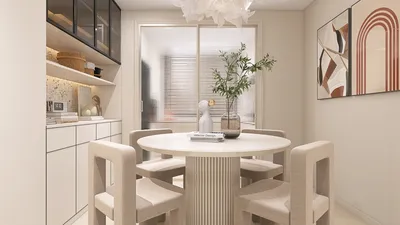


I've specified and installed numerous compact wood-burning stoves in cabins, garden rooms, and small urban studios. Choosing the right unit can transform a chilly corner into a cozy haven, ensuring that the space remains inviting while maintaining good air quality. Achieving this balance relies on careful sizing, detailed ventilation considerations, material selection, and a design that adheres to safety clearances while maximizing both radiant and convective heat. Incorporating tools like Homestyler can greatly aid in visualizing these layouts.
Maintaining Thermal Comfort in Small Spaces
In confined areas, using a high-output stove can lead to overheating. For rooms ranging from 150 to 250 sq ft, I aim for a moderate heat output of approximately 3-5 kW. This ensures a comfortable balance between radiant warmth and manageable burn rates. Ergonomics are crucial as well: seating positioned near heat sources should have temperature gradients that remain comfortable. Research from Steelcase highlights that thermal comfort can significantly influence cognitive performance—reporting a decline of up to 15% when individuals feel uncomfortable. This insight also applies to home studios. Following the WELL v2 guidelines for thermal and air quality, which emphasize the importance of reducing particulates and ensuring fresh air, is vital for wood-burning appliances.
Regarding safety, I ensure that sightlines and traffic paths are unobstructed, adhering to the clearances recommended by manufacturers. A small pedestal or wall-mounted shield can assist in reaching the stove comfortably. When spaces double as work areas, research from Herman Miller indicates that a well-balanced thermal environment improves focus and reduces feelings of fatigue—it's best to aim for consistent burns rather than large fluctuations.
Ventilation and Air Quality Standards
Proper ventilation is essential for any setup. Even the best small stoves require a dedicated flue and adequate makeup air. I reference the WELL v2 Air standard for managing particulates and combustion, monitoring PM2.5 levels with a small sensor during the initial burns. A sealed stove is my preferred choice in tightly sealed spaces. For tasks like reading or crafting in the same room, incorporating balanced lighting according to IES task lighting standards helps manage glare while ensuring that the warm glow from the stove isn't the only source of light.
For safety and functionality, I always ensure the hearth is free from tripping hazards, establish a cool-down area for handling ash, and install a carbon monoxide alarm at a height that’s easy to monitor. These simple additions can significantly lower risks while maintaining the charm of a real flame.
Optimizing Heat Output and Insulation
I evaluate room volume, air infiltration, and insulation quality first. For a room of 120 sq ft with standard insulation, a stove ranging from 3 to 4 kW is typically appropriate. If the room is exceptionally insulated, even 2 to 3 kW may suffice. Oversizing can lead to temperature spikes, while undersizing can result in inefficient combustion and constant refueling. When selecting a stove, consider those with clean-burn ratings, secondary burn features, and well-sealed doors for optimal efficiency and reduced smoke.
It's important to consider your seating arrangement: a chair situated 6 to 8 feet from the stove will benefit more from the radiant heat. In multifunctional rooms, I recommend using a small blower or a ceiling fan set to low to distribute warmth evenly without disturbing ash.
Layout Guidelines for Small Spaces
Proper placement of the stove should consider required clearances, traffic flow, and effective heat distribution. Corner installations often maximize floor space and create attractive diagonal sightlines. In narrow areas, positioning the stove on a side wall opposite the longest pathway helps keep it visible yet subtle.
Utilizing a room layout tool can be beneficial for visualizing overlaps in heating zones and seating distances. Experimenting with an interior layout planner can assist in simulating stove placement and movement paths, making it easier to incorporate tools like Homestyler for optimal designs.
Safety Considerations: Clearances and Fireproofing
I always specify non-combustible hearth pads that extend according to local codes and manufacturer specifications, ensuring that edges are highlighted to prevent tripping. Installing wall shields made from steel or cement board can also help minimize required clearances in compact spaces, always adhering to manufacturer guidelines. Firewood and kindling should be stored in breathable metal containers, keeping them away from areas of direct heat.
Using glove hooks, tightly lidded ash pails, and dedicated ash trays can significantly reduce mess and risk of burns. A simple fire screen or easily operable door latch can enhance usability, especially for those wearing winter gloves.
Light, Color, and Acoustic Comfort Around a Wood Stove
Wood fires tend to emit warm light; I pair them with ambient LED lights ranging from 2700 to 3000K to avoid mixed color temperatures. For tasks such as reading or crafting, I use task lighting at 3000 to 3500K to maintain clarity without conflicting with the fire's light. Following IES guidelines for glare management is helpful as well; fixtures should be positioned to avoid reflections off the glass doors of the stove.
Color psychology indicates that warmer palettes (like rust, umber, olive) enhance the sense of coziness. However, in smaller rooms, I balance these hues with lighter neutrals to prevent the space from feeling cramped. Incorporating soft, sound-absorbing materials such as wool rugs and upholstered furniture can help reduce the crackle of the fire and lower reverberation, fostering a peaceful atmosphere conducive to conversation.
Materials and Sustainability Considerations
I prefer stoves constructed from high-grade steel or robust cast iron to ensure durability and thermal retention. Ensure that door gaskets are sturdy and replaceable. Opt for locally sourced, well-seasoned hardwood, ideally with a moisture content of 15-20%, to minimize smoke production and creosote buildup. Using sustainably harvested logs and compact log storage solutions can also minimize your environmental impact. For surfaces near the stove, materials like stone, tile, or concrete are ideal as they resist heat and are easy to clean.
Ergonomics and Everyday Use
The height of the stove's handle, door swing, and the distance from storage to the firebox all influence daily comfort. Ensuring a stable stance with adequate knee space and safe reach minimizes strain during use. Keeping the log basket just a couple of steps away from the stove while remaining outside the primary heat zones is essential. Plan for regular ash removal as part of your routine, utilizing heat-proof tools and designating a cooldown period.
Essential Installation Checklist for Small Rooms
- Verify manufacturer clearances with actual site dimensions.
- Check the flue path, cap, and draft; consider insulated flue sections in colder climates.
- Ensure there is sufficient makeup air, either via a sealed intake or controlled venting.
- Install CO and smoke detectors, testing them during initial burns.
- Specify a non-combustible hearth pad and wall shield as required.
- Choose stoves with 3-5 kW outputs for most small rooms, adjusting per insulation and volume.
- Integrate layered ambient lighting between 2700 and 3500K that is dimmable and controls glare.
- Develop a streamlined procedure for handling wood and ash to maintain room cleanliness.
Ongoing Maintenance and Ensuring Performance Over Time
Regular inspections of the flue, gasket condition, and cleaning the glass are crucial for maintaining high efficiency. Burning seasoned wood and avoiding waste wood with adhesives will further reduce creosote buildup. In multifunctional rooms, using a low-profile fan can assist in heat distribution. Minor adjustments to seating distance may be needed over time, allowing for fine-tuning comfort without altering the stove itself.
Frequently Asked Questions
Typical output should be between 3 and 4.5 kW, adjusted based on insulation and ceiling height. Well-insulated spaces might do well with outputs of 2.5 to 3 kW to avoid overheating.
If possible, use a sealed-combustion stove, ensuring a dedicated flue and proper makeup air supply while incorporating CO/smoke alarms. The WELL v2 Air concept guides particulate management and ensures adequate fresh air.
Absolutely—thermal comfort plays a significant role in maintaining focus. Studies from Herman Miller and Steelcase show a direct link between uncomfortable temperatures and decreased performance, so aim for a stable and moderate heat level without abrupt changes.
Opt for non-combustible hearths made from materials like stone, tile, or concrete, coupled with wall shields that include air gaps. Keep flammable items such as curtains and baskets well outside the clearance zones.
Use layered ambient lighting around 2700-3000K in conjunction with task lighting at 3000-3500K. Following IES glare control standards can help avoid reflections in the glass of the stove doors.
Corner placements are efficient and commonly recommended, provided that manufacturer clearances are honored and adjacent walls are protected with suitable shields.
Ensure the stove is right-sized, burn seasoned woods at controlled rates, and utilize a fan to assist in spreading warmth. Avoid oversizing stove units to prevent sudden thermal spikes.
Yes, typically. A correctly sized and insulated flue liner can enhance draught, reduce creosote deposit, and improve safety, especially in colder regions.
Use well-seasoned hardwoods like oak, ash, and maple that maintain a moisture content around 15–20%. It's essential to avoid painted or treated wood as well as resin-rich softwoods that can create excess soot.
Routine maintenance such as cleaning the glass, removing ash regularly, conducting yearly flue checks, and inspecting gaskets helps sustain performance levels. This routine should be manageable yet consistent.
A comfortable distance for radiant exposure usually falls between 6 to 8 feet, which can be adjusted based on the stove's output and personal preferences. Be prepared to test and adapt after a few uses.
Certainly! Utilizing an interior layout planner can aid in accurately modeling clearances, seating arrangements, and circulation paths, thus helping visualize heat zones more effectively.

Discover your decorating potential with Homestyler! This user-friendly platform offers an amazing online design tool, stunning 3D renderings, and a wealth of design projects. Plus, you can learn from engaging DIY video tutorials. Transform your home design ideas into reality effortlessly!
Design Now for FREE
































