


The journey to comfortable lingerie begins well before you stand in front of a mirror. It starts with fit science, using breathable materials, and incorporates details that allow your body to move, rest, and engage throughout the day. Research indicates that over 80% of women wear the incorrect bra size, underscoring the vital importance of proper support for comfort. For example, Herman Miller’s studies on posture reveal that even slight improvements can greatly mitigate musculoskeletal discomfort, a concept that can be applied to the stability of underbands and the positioning of straps in lingerie typically worn for 10 to 14 hours a day. When the load on straps exceeds that on the band, it can lead to pressure on the trapezius and shoulders, which contributes to fatigue and neck strain. Consider incorporating tools like Homestyler to visualize and optimize your lingerie layout for better access and comfort.
The fabric you choose is just as essential as the fit. Color and texture play a significant role in how comfortable you feel. An overview on color psychology from Verywell Mind highlights that soft shades of blue and green are generally linked with calmness, while intense reds can increase arousal and focus. This knowledge can inform your choices—selecting soothing colors for daily wear while reserving vibrant hues for special occasions aligns with intentional behavior. Additionally, moisture-wicking fabrics combined with smooth seams help reduce friction and skin irritation, promoting both healthy thermoregulation and self-assurance, even with fluctuating indoor temperatures and varying activity levels.
Understand Fit: Band, Cup, and Straps
The band is responsible for 80–85% of a bra’s support, while cups and straps provide fine-tuning adjustments. A well-fitting band sits evenly around your torso without riding up. The cups should fully encase breast tissue without gaps or overflow, and the center gore should lay flat against the skin. It's crucial to remember that straps are meant to stabilize—not carry the weight. If you notice red marks after wearing your bra for a few hours, consider loosening the strap tension and ensuring the band has the right firmness. For wireless styles, focus on broader underbust panels and double-lined wings to replicate the support typically offered by a wired design, ensuring your comfort doesn't falter.
Fabric and Breathability
To achieve maximum comfort, lingerie must incorporate three key fabric characteristics: breathability, stretch recovery, and a pleasant skin feel. Cotton-modal blends are excellent for their softness and moisture management, while microfibre (polyamide/elastane) provides a sleek texture and consistent stretch. Silk offers a luxurious touch and effective thermoregulation. When selecting straps and bands, look for a higher elastane content (8–12%) to maintain their shape through multiple washes. Employing flatlock stitching and bonded edges reduces bulk from seams, helping to avoid pressure points under fitted tops. Those with sensitive skin should steer clear of heavily textured lace along the underbust; opt instead for lace on the cups paired with soft mesh liners to separate decorative elements from sensitive areas.
Support Types: Wired, Wireless, and Hybrid
Wired bras are designed for precise lift and separation, especially beneficial for larger cup sizes, as they distribute weight across the wire and band. Wireless bras, on the other hand, prioritize comfort for daily wear and casual lounging, utilizing contour seams, molded cups, and reinforced underbust bands. Hybrid styles incorporate flexible wires or side-boning along with foam-lined cups—perfect for those wanting structured support without the rigid feel of traditional wiring. In bralettes, pay attention to both cup depth and wing height, as deeper cups can help reduce overflow while taller wings provide stability in the underarm region.
Size Calibration and Seasonal Adjustments
Your body shape can fluctuate due to hydration levels, menstrual cycles, and physical activity. It’s advisable to have one primary size along with a sister size available—one for more slender days and the other for fuller days. If you generally wear a 34D, consider keeping 32DD or 36C as alternatives depending on the band fit you prefer. During summer, lightweight moisture-wicking styles are recommended, while winter calls for slightly thicker, brushed microfibre that feels cozy against the skin. Regularly refreshing your selection ensures that the elastic remains effective and doesn’t overstretch, hindering support.
Color Psychology and Intention Setting
Selecting the right colors can greatly influence your mood and intention. Soft neutrals, blush shades, sage, and powder blue establish a calming ambiance for your everyday attire, whereas ruby red, wine, and black can inject drama into evening outfits. As established principles of color psychology suggest, cooler hues typically associate with reduced stress levels, while warmer tones can amplify energy and focus. For contrast, consider a neutral base enriched with a bold trim for a confident yet balanced look. When curating a capsule wardrobe, aim for three versatile everyday sets (nude, soft tone, black), an invisible set for fitted outfits, and one statement set that reflects your unique style.
Ergonomics in Everyday Wear
Maintaining comfort during the day is a cumulative experience. If you spend significant time seated, opt for posture-friendly straps that rest closer to your neck (but not overly so) to minimize slipping and uphold shoulder alignment. Low-friction hook-and-eye closures are also ideal to prevent snagging... For long durations, consider bras featuring wider straps and cushioned back closures; these distribute pressure more evenly, reflecting ergonomic principles that emphasize reducing localized pressure for increased comfort during extended wear.
Acoustic and Sensory Comfort in Intimate Apparel
While lingerie is inherently quiet, sensory comfort remains important. Tags that rustle or scratch can be distracting, especially in serene environments—so choose options with heat-sealed labels or those that are tagless. Soft, low-sheen fabrics can minimize visual and tactile overstimulation, particularly when layered under structured clothing. If certain laces create noise or a rough feel beneath blouses, opt for smoother microfibre or silk for the layer closest to your skin, reserving intricate lace for outer cup designs.
Design Details That Make a Difference
Minor design elements can significantly enhance comfort: U-shaped back constructions stabilize straps, leotard backs minimize slipping, and three to four hook columns provide micro-adjustments in tension over time. Convertible straps can transform to a racerback style, relieving pressure for those with narrow shoulders. Side sling panels boost forward lift, particularly valuable for those with softer breast tissues. For panties, seek out cotton gussets, plush-backed elastic, and laser-cut edges to achieve truly invisible lines.
Care, Longevity, and Sustainable Choices
To maintain the longevity of your lingerie, wash in cool water using a mild detergent and air-dry to preserve the elastic's memory. Rotate your collection, aiming to keep 5 to 7 bras in circulation to prevent overusing any one item. Opt for materials that are OEKO-TEX certified or traceable silks to minimize chemical exposure; recycled polyamide and elastane are increasingly available, but be sure to verify that stretch recovery remains robust even after multiple washes.
Building a Versatile Intimacy Naidu Hall Wardrobe
Consider your wardrobe in terms of various purposes: everyday essentials, seamless options, supportive designs, loungewear, and standout pieces. Everyday sets should prioritize breathable microfibre and supportive bands. Seamless options focus on edge construction and smooth liners, making them ideal for fitted dresses. Support designs utilize structured cups or hybrid boning for additional support. Lounge bralettes should emphasize soft stretch and wireless ease, while statement lingerie can play with color, texture, and unique silhouettes—best saved for shorter wearing periods if the fabrics are more intricate.
Layout Planning for Your Wardrobe
A streamlined drawer setup allows you to quickly access the right ensemble. Arrange bras by their designated role and color, storing cups upright to avoid creasing, and keep sister sizes together for easy swaps. If you're reorganizing a full wardrobe and wish to visualize storage areas or outfit combinations, a layout simulation tool like Homestyler can facilitate this process, allowing you to prototype your setups before making final decisions.
Tips 1: Quick Fit Checks
- To ensure a proper fit, bend-and-scoop into the cups.
- Ensure the gore makes contact; if it’s floating, you may need a different cup size or to adjust the band.
- Lift your arms—cues that the cups remain stable without overflow are essential.
- Slide a finger underneath the band; it should feel snug without pinching.
- After wearing for 30 minutes, reassess the tension on the straps for prolonged comfort.
Tips 2: Fabric Shortlist
- Everyday: opt for microfibre or polyamide blended with 10% elastane.
- For sensitive skin, consider cotton-modal blends and steer clear of rough lace where pressure is applied.
- Luxe options may include silk complemented by stretch mesh for additional support.
- For performance, look for moisture-wicking microfibre with bonded edges to ensure invisibility.
Tips 3: Seasonal Rotation
- In summer, prioritize breathable, lightweight linings and mesh wings.
- In winter, lean towards brushed microfibre or silk with slightly thicker cups.
- On activity-heavy days, wireless or hybrid bras with wider bands are best.
- For event nights, structured cups and stable strap designs are essential.
FAQ
Q1: How can I tell if my band is too loose or tight?
A snug band should sit level across your torso without hiking upwards. If it moves higher, it’s too loose; if it digs in or restricts breathing, it’s too tight. The most support comes from the band, making a firm, comfortable fit essential.
Q2: Wired vs. wireless—what offers more comfort?
For lounging and low-impact days, wireless styles generally provide greater comfort. Wired options offer definitive lift and separation, which many find suitable for extended wear as long as the fit is right. Hybrid designs offer a compromise with flexible structure.
Q3: Which fabrics work best for sensitive skin?
Cotton-modal and smooth microfibre with flatlock seams can help reduce friction. Avoid textured lace in high-pressure areas and choose lined lace on cups and tagless options for a gentler feel.
Q4: How many everyday bras should I have on rotation?
Aim to maintain 5 to 7 bras in active rotation to facilitate elastic recovery. This strategy minimizes wear on any single garment, extending their lifespan.
Q5: Can color influence my comfort?
Indeed, color can have an impact on mood perception. Softer hues like cool blue or green typically provide a calming effect, while warm, saturated colors may bring energy. Select palettes that align with your daily intentions.
Q6: What’s a straightforward daily fit check?
Perform a bend-and-scoop, ensure the gore sits flat, and confirm straps don’t leave deep indentations after an hour. If they do, slightly tighten the band and loosen the straps.
Q7: How should I care for lingerie to keep it in top condition?
Wash your lingerie in cool water using a gentle detergent and air-dry to maintain softness. Avoid high heat, which can compromise elastane and dull the fabric's appeal.
Q8: Are seamless bras preferable under fitted outfits?
Absolutely—look for features like bonded edges, molded cups, and smooth liners to minimize visibility. Keep a dedicated seamless set for wearing under bodycon dresses and thin fabrics.
Q9: Can posture affect my lingerie comfort level?
Yes, improved posture reduces strain on the shoulders and neck. Properly positioned straps and a supportive band are key to maintaining alignment, helping to reduce fatigue throughout long days.
Q10: What's the best way to cope with fluctuating sizes during the month?
Having a main size along with a sister size is effective. Adjust band tension and cup depth as needed, allowing for fuller or leaner days while maintaining comfort.
Q11: Is silk suitable for everyday use?
Silk is breathable and good at thermoregulation, but it requires careful handling. Consider using silk blends or reserve silk for special occasions, while opting for microfibre on regular wear days.
Q12: How can I prevent strap slippage?
Choose designs with leotard or U-shaped backs, ensure that straps are adjusted evenly, and explore racerback styles for those with narrower shoulders.
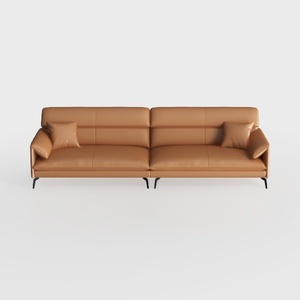
Modern Minimalist Tan Leather Living Room Sofa 3D Model
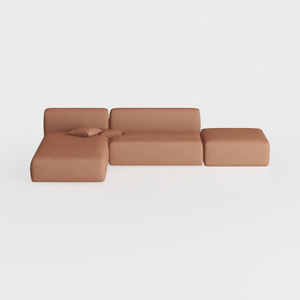
Minimalist Brown Fabric Modular Sectional Sofa 3D Model
Looking to transform your space? Homestyler is your go-to online design platform! With its easy-to-use design tool, stunning 3D renderings,丰富的设计项目和详尽的视频教程, you can effortlessly create and visualize your dream home. Start your design journey today!
Design Now for FREE
































