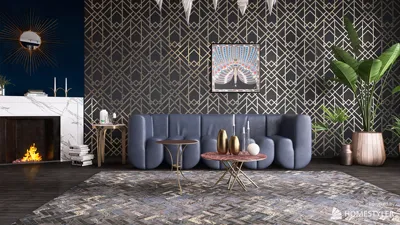


A well-organized space begins with mindful clothing choices and effective storage solutions. By ensuring that your clothes are easy to wear, maintain, and store, you can simplify daily routines and keep clutter at bay. Tools like Homestyler can enhance your room's design, making tidiness even more achievable.
Evidence-Based Wardrobe Practices
Simplicity beats complexity in wardrobe organization. Research from Steelcase reveals that visual order decreases cognitive load, helping individuals concentrate and make decisions quicker. Furthermore, the WELL v2 framework underscores cleanliness and organization as vital for wellbeing, correlating environmental quality with lowered stress. Practically, this translates to fewer clothing categories and well-defined sections for everyday, workout, outerwear, and special occasion clothing.
The Importance of Lighting
Lighting has a greater impact than most recognize. The IES recommends task lighting that falls within the 300–500 lux range for dressing areas, which minimizes color-matching mistakes and enhances decision-making speed. A warm-neutral light spectrum helps fabrics appear true without causing glare, while diffused lighting reduces shadows in your closet.
Organize Your Closet for Efficiency
I categorize my clothing by function and season, utilizing labels or color codes for quick decision-making. By minimizing deliberation time, I reduce the likelihood of clothes ending up on chairs or floors. Organizing daily wear on a single rail, shirts on a mid-height rail, and dresses or coats on a higher rail makes everything accessible. For tighter spaces, a double-hang arrangement can maximize capacity. When considering new layouts, a room design tool like Homestyler can simplify the process.
Ergonomics: Streamlining Storage Efforts
Human factors play a significant role in maintaining order. If folding clothes requires too much accuracy or reach is limited, they won't be put back. I position primary shelves between 20 and 60 inches from the floor for easy access and use shallow shelves (10–12 inches deep) to prevent unstable stacks. Full-extension drawers reveal all contents at once, decreasing rummaging. Hooks near the closet entrance help catch items that are in transition, preventing them from cluttering other areas.
Choosing Low-Maintenance Fabrics
Opt for wrinkle-resistant fabrics, such as performance cotton blends and breathable synthetics for daily wear. These materials can endure frequent washing and air drying without needing constant ironing. Midweight fabrics maintain their shape better on hangers, while lightweight materials tend to crease easily. Dark neutrals for bottoms provide a forgiving look that hides dust, while lighter shades on tops facilitate quick outfit matching, especially in dim morning light.
The Psychology of Color: Enhance Calmness in Closets
Utilizing a muted color palette allows your closet to appear organized, even during busy times. Studies show that cool, desaturated colors promote calmness and alleviate overstimulation, aiding in better decision-making. I maintain base colors in the cool-neutral range (like gray, navy, and taupe) and apply accent colors sparingly to avoid cluttered visuals. Consistent hanger colors across the closet enhance the perception of order.
Optimizing Lighting and Reducing Glare
Combine general ceiling lighting with targeted illumination on wardrobe fronts or integrated LED strips within shelves. Target lighting levels between 300 and 500 lux at the wardrobe face based on IES recommendations. For accurate color representation, select lights with a 90+ CRI rating. Frosted diffusers or prismatic coverings can help limit glare; positioning lights to wash closet panels from above minimizes harsh fabric shadows. Additionally, motion sensors can ensure lights turn off automatically, promoting efficient return habits.
Acoustic Solutions for a Peaceful Closet Environment
Implementing soft-close hinges and drawer slides can significantly reduce noise during early morning routines, alleviating stress in multi-person households. Utilizing felt-lined bins prevents noise from jostling items. A carpet or runner positioned outside the wardrobe absorbs foot traffic sounds and diminishes the echo of hangers. By minimizing sound distractions, you can foster better habits for maintaining a tidy environment.
Balancing Shelf, Rail, and Bin Space
I strive for a harmonious layout: approximately 40% hanging space, 40% shelves/drawers, and 20% versatile bins, which can be adjusted based on your wardrobe's needs. If knitwear occupies a significant portion of your wardrobe, allocate more shelf space, whereas a suit-heavy collection may require increased hanging length using shaped hangers to maintain form. Narrow, labeled bins for socks and accessories prevent overflow and eliminate small item clutter.
Entryway Organization: The First Line of Defense Against Clutter
Most mess originates at the entry point. Establishing a three-point entry organization system—consisting of a hook rail, a shoe storage option, and a lidded bin for miscellaneous items—effectively contains clutter. Hooks at varying heights accommodate both adults and children. A compact bench with a drawer can facilitate key and mail storage. For optimal entryway layout, use a space simulation tool like Homestyler to visualize the arrangement and prevent traffic flow issues.
Properly Caring for Clothing to Minimize Piles
Wash clothes on regular cycles appropriate for their fabric type, utilizing hang-drying to prevent wrinkles from excessive drying. Keep a portable steamer handy, allowing for quick crease removal that can prevent garments from becoming ‘rejected’ and left out. Sort hampers based on wash temperatures or fabric types (like cold brights, warm darks, and delicates) to streamline the pre-laundry process.
Embracing a Minimal Wardrobe for Maximum Utility
Creating capsule wardrobe collections can lessen decision fatigue and storage stress. When pieces complement each other, fewer items can yield greater versatility. Enforce a one-in, one-out rule for items that tend to accumulate, particularly sweaters and activewear. Conduct seasonal edits every six months to keep your closet manageable and prevent overflow into other living spaces.
Sustainable Choices in Wardrobe Materials
Select durable hangers made from wood or heavy-duty recycled plastic, steering clear of wire hangers that can warp clothing. Prioritize organic cotton, TENCEL, and recycled polyester blends, which maintain their shape even after frequent use. For wardrobe interiors, low-VOC finishes and FSC-certified plywood can enhance indoor air quality, making the space feel more inviting and fresh for use.
Design Features That Facilitate Tidiness
Incorporate a designated staging area—such as a short rail or hooks specifically for planning outfits for the next day. Enhance your design with a valet shelf that features a shallow lip to keep accessories secure. Drawer dividers ensure items can be returned to their specific spots with a single motion. Use discreet labels on the undersides of shelf lips or the inside edges of bins to maintain a clean aesthetic.
Trends to Watch in 2024-2025
Wardrobe features such as integrated lighting, breathable mesh drawers for athletic wear, and tool-free modular closet systems are gaining popularity. Neutral micro-textured laminates resist fingerprints, while soft graphite hardware maintains a tidy appearance even under warmer lighting. Smart lighting solutions with motion sensors help conserve energy while encouraging quick and efficient closet organization.
Quick Wins for Immediate Improvement
- Replace mismatched hangers with a uniform style and color.
- Designate a hook for transitional clothing to prevent chair piles.
- Organize clothing by function: daily, workout, outerwear, formal wear.
- Adjust lighting to 300–500 lux using warm-neutral LEDs.
- Incorporate shallow bins for accessories and socks, labeling them discreetly.
- Keep a fabric shaver and steamer nearby for convenience.
Frequently Asked Questions (FAQs)
Q1: What is the ideal lighting level for closets?
A: Target 300–500 lux at the wardrobe face according to IES recommendations, using warm-neutral LEDs (3000–3500K) and achieving a 90+ CRI for superior color accuracy.
Q2: How do I prevent clothes from accumulating on chairs?
A: Install hooks near your closet for transitional items and streamline categories. Ensure that primary storage is within easy reach to minimize friction.
Q3: What kind of hangers help maintain order?
A: Uniform-width wooden or heavy-duty recycled plastic hangers are ideal, while shaped and padded hangers are beneficial for suits and delicate knits to avoid stretching and preserve order.
Q4: Do capsule wardrobes truly help with maintaining neatness?
A: Absolutely. A smaller, coordinated collection reduces decision-making time and decreases storage demands, helping to minimize clutter.
Q5: What fabrics are easiest to maintain on a daily basis?
A: Choose wrinkle-resistant knits, performance cotton blends, and breathable synthetics that withstand regular washing and hang-drying with little need for ironing.
Q6: How can I effectively organize a compact entryway to avoid mess?
A: Utilize a hook rail, shoe tray or low rack, and a lidded bin for miscellaneous accessories. Ensure there is sufficient circulation space by simulating footpath and door swing before arranging furniture.
Q7: What’s the recommended shelf depth for folded items?
A: Approximately 10–12 inches prevents over-stacking and ensures items are visible, promoting consistent returns to their designated spots.
Q8: Can closet color choices influence behavior?
A: Yes. Muted cool neutrals lessen visual distractions and support calmer decision-making, indirectly enhancing prompt clothing organization.
Q9: Do you have ergonomic suggestions for utilizing high shelves?
A: Reserve high shelving for seasonal or seldom-used items and opt for labeled bins. Store everyday items between 20 and 60 inches above the floor for convenient access.
Q10: How can I minimize noise during morning routines?
A: Implement soft-close hardware, felt-lined containers, and a plush rug or runner to absorb sounds, making your routines smoother and less stressful.


If you're looking to redesign your space, try Homestyler! This user-friendly online design platform offers an innovative design tool, stunning 3D renderings, and a plethora of design projects. Plus, with comprehensive video tutorials at your fingertips, turning your design dreams into reality has never been easier!
Desain sekarang Gratis
































