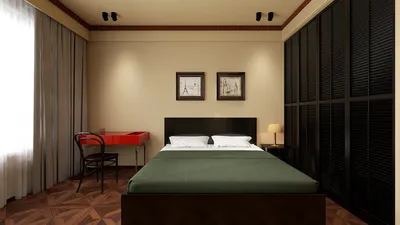


For over a decade, I have utilized tile as an efficient method to upgrade various spaces dramatically, from small entryways to expansive open-concept living areas. The allure of tile is clear: it offers significant visual appeal, long-lasting durability, and enhances comfort metrics when the appropriate format, pattern, and finish are selected. When chosen carefully, tile not only looks appealing but also enhances light distribution, acoustic quality, and daily usability in a room.
Research supports these observations. The WELL Building Standard emphasizes the importance of low-emitting materials and glare management for occupant comfort, both achievable with matte or satin porcelain glazes and compliant adhesives (refer to WELL v2 Materials and Light concepts at wellcertified.com). Gensler’s workplace studies associate well-designed environments with increased effectiveness and overall satisfaction, a trend I often witness when a dated room is revitalized with a harmonious tile palette and enhanced light reflectance (Gensler Research Institute).
Establish Your Design Goals
Before selecting any samples, I pinpoint the specific functional needs of the room: whether it should feel like a serene retreat, withstand high foot traffic, or radiate a vibrant, communal atmosphere. Color psychology plays a crucial role here—research from Verywell Mind indicates that shades of blue and green promote tranquility, while warmer tones like red and terracotta evoke energy and sociability. For instance, when designing a quiet reading nook, I might opt for cooler muted tones and matte finishes; for a lively kitchen ideal for entertaining, I would choose warm neutrals or earthy hues with subtle variations.
Select the Appropriate Tile Material
In my extensive design experience, I consistently favor three primary categories of tile: porcelain, ceramic, and natural stone.
Porcelain is my go-to choice for flooring and areas exposed to moisture due to its low porosity and substantial density. In open kitchens and entryways where sand, pets, and spills are constant challenges, opting for rectified, through-body porcelain with a dry coefficient of friction (DCOF) of ≥0.42 in dry conditions and higher for exterior transitions is essential to avoid slips and ensure manageable maintenance. Larger tile formats (24x24 inches or 24x48 inches) also minimize grout lines, simplifying cleaning while providing a cleaner aesthetic.
Ceramic tiles excel in wall applications and lighter foot traffic areas. They are fantastic for showcasing patterns and vibrant colors—think of handcrafted subway tiles, square Zellige forms, or modern elongated designs. On walls, glossy ceramic reflects ambient light further into the space, promoting brightness without the need for extra fixtures. I often contrast glossy backsplash tiles with matte perimeter surfaces to alleviate glare in task areas.
Natural stones like marble, limestone, and slate add a depth that is hard to replicate. I utilize these sparingly, often in feature walls, hearths, or foyer thresholds, where their unique texture becomes a striking element. When using them in wet areas, applying sealants and slip-resistant finishes is crucial. When budgets are constrained, I sometimes enhance stone accents with porcelain alternatives to achieve a balance between performance and cost-effectiveness.
Light, Glare, and Color Temperature
Tiles interact significantly with lighting. Under warm-white LEDs (3000K to 3500K), warm-toned tiles exude a cozy feel; however, under neutral 4000K light, beige tiles may take on an unflattering gray tint. It’s essential for me to test with the client's actual lighting setup. The Illuminating Engineering Society (IES) provides target ranges for horizontal illuminance in residential and task zones; pairing matte tile finishes with bright task lighting helps maintain desirable contrast without uncomfortable reflections (ies.org/standards). I avoid high-gloss finishes in sunlit areas to minimize glare and prefer honed or satin textures in high-traffic zones.
Proportion, Pattern, and Spatial Dynamics
The format of tiles significantly affects their perceived scale within a space. Larger slabs can elongate smaller rooms while compact mosaics add texture, which can sometimes overwhelm a space visually. In modest living areas, I frequently lay down 24x48 inch porcelain planks parallel to the longest wall to visually stretch proportions. Patterns like herringbone or chevron can introduce rhythm—ideal for rooms lacking architectural interest—but I reserve such styles for a single plane to prevent visual fatigue. In grid layouts, I prefer narrower grout lines (1/16–1/8 inch) to foster a modern and calming look.
Layout Planning and Visualization
Nothing beats creating a dry layout before making any cuts, especially around thresholds, fire surrounds, and kitchen islands. I typically start with the visual focal point—often the main sightline from the entryway—and align the grid to maintain symmetry across opposing walls. For intricate plans involving mixed patterns, inlays, or several transitions, tools like Homestyler can simulate joint placements, cutting lines, and tile quantities prior to ordering. This strategy conserves budget, reduces waste, and ensures clean edges at doorways and cabinets.
Acoustic and Comfort Aspects
Tile surfaces are acoustically reflective. In spaces with hard surfaces, I counterbalance this with area rugs, upholstered furniture, and acoustic wall panels in strategic zones (like seating areas and TV walls). Underfoot, investing in a quality underlayment can help to dampen sound impact on upper levels and add a touch of warmth. In areas where bare feet are common, such as bathrooms or bedrooms, I prefer tiles with a textured or matte finish and add cushioned mats at bedside and bath thresholds for extra comfort.
Safety and Slip Resistance
In wet zones, I prioritize textured finishes or smaller tile formats to enhance grip—greater grout lines provide additional traction. For transitions between interior and exterior spaces, I maintain a consistent textured surface to ensure that the foot’s expectation matches the ground's reality, which is vital for slip prevention. Sloped shower pans with mosaic tile floors remain my benchmark for effective drainage and traction.
Color Psychology and Harmony
Color influences mood and perceived temperature within a space. Hues like blue and teal offer calming effects, while warm tones such as terracotta and ochre inject energy; neutral shades create stability. I often balance bold colors with neutral tiles to prevent visual fatigue. In compact spaces, a monochromatic scheme with subtle variations can make the area feel larger and more tranquil. For social settings, a controlled warm palette with an accent tile, like at the bar or fireplace, maintains lively energy without chaos.
Sustainability and Health-Conscious Materials
Choosing tiles that include recycled content and low-VOC setting materials can significantly enhance indoor air quality, aligning with WELL’s Materials concept. I review Environmental Product Declarations (EPDs) and prefer vendors who demonstrate responsible manufacturing practices. Grouts that resist stains help reduce damaging chemicals throughout a tile's lifecycle. Whenever possible, I plan cutting strategies that minimize waste and choose modular tile sizes that align meticulously with the room's layout.
Room-Specific Tile Strategies
Using large-format porcelain that mimics soft stone lays a timeless base; I then introduce texture through rugs and wood accents. If a room lacks a defined focal point, I may tile a plinth or media wall with a complementary slab to anchor the overall design.
For slip resistance, I opt for matte porcelain flooring; the backsplash features a combination of gloss and matte finishes, with satin on open shelves for a sparkling effect. I keep grout lines aligned with cabinet lines for a cohesive visual rhythm.
In wet areas, I select mosaic floors for traction and large-format walls to reduce cleaning effort for grout. I will wrap showers in a uniform tile design and reserve intricate patterns for niches or vanity areas to avoid overwhelming visual clutter.
Using through-body porcelain in darker hues conceals dirt effectively. A border tile or inset mat well can signify arrival points and shield the main field from the messiest areas.
Detailing: Grout, Edges, and Transitions
Grout color should be considered carefully; it serves as a binding element. I either match it to the tiles to create a seamless look or contrast it to highlight patterns. For edges, metal trims provide a modern feel, while stone or bullnose edges soften the transition. Ideally, transitions to wood or carpeting should be coplanar to avoid tripping hazards. On staircases, I integrate nosing profiles with slip-resistant insets for safety.
Budget-Friendly Enhancements
When budget constraints arise, I focus investments where they will be most impactful: a feature wall or fireplace surround with premium tiles, accompanied by a simple and durable porcelain floor. Clever patterns can elevate even basic ceramics—stacked bonds convey a contemporary style, while a vertical orientation adds a sense of height. Thoughtful layout planning minimizes waste and labor time, maximizing every dollar spent.
Implementation Checklist
- Verify lighting temperature and test tile samples directly on-site.
- Set up a dry layout for the first two rows along the main sightline.
- Align with architectural features (such as window sections and cabinet lines).
- Maintain consistency in grout joints; ensure the substrate meets the large-format tolerance requirements.
- Seal natural stone and cement tiles as needed before and after installation.
- Document each stage for future reference and maintenance purposes.
FAQ
Q1: What tile size is appropriate for a small room?
A: Larger tiles help minimize grout lines and can make a space look larger. I typically use 24x24 or 24x48 inch tiles laid parallel to the longest wall, keeping grout lines narrow (1/16–1/8 inch) for a serene grid effect.
Q2: Which is better for living rooms—glossy or matte tile?
A: Matte or satin finishes reduce glare and show fewer footprints. Glossy finishes should be used sparingly on vertical feature areas to reflect light without compromising comfort.
Q3: What's the best grout color?
A: Matching grout can create a cohesive look; contrasting grout enhances patterns. For high-traffic areas, mid-tone grout effectively conceals dirt and simplifies maintenance.
Q4: Are tiles cold and noisy underfoot?
A: While tile can conduct temperature and reflect sound, using underlayment, area rugs, and soft furnishings effectively mitigates these issues. Incorporating radiant heating beneath the tile adds greater comfort.
Q5: How can tile improve safety?
A: Selecting textured or smaller-format mosaic tiles in wet areas increases traction. Always verify DCOF ratings and maintain consistent finishes across transitions to prevent slips.
Q6: Which colors create a calming atmosphere?
A: Generally, blues and greens foster a restorative feeling, while muted neutrals create stability. High-chroma colors work best when used as accents if you seek tranquility in living or bedroom spaces.
Q7: How do I design a complex tile pattern without making mistakes?
A: Using a digital interior design tool like Homestyler can help simulate cuts, joint placements, and transitions. Additionally, dry-laying key rows on-site can help avoid awkward cuts and saves materials.
Q8: Is the maintenance worth it for natural stone?
A: For focal points, certainly. Ensure proper sealing, specify honed finishes in wet areas, and limit stone to places where its texture can be showcased without excessive wear.
Q9: What lighting works best for tile?
A: Aim for a consistent color temperature (3000K to 3500K for warm environments and about 4000K for neutral areas). Control glare by pairing matte tiles with brighter task lights.
Q10: Can patterns be mixed while maintaining a calm atmosphere?
A: Yes—ensure that patterning is limited to one plane (like either the floor or a single feature wall), keep adjacent surfaces subdued, and align grout lines with architectural features for coherence.
Q11: How can I keep a tile project within my budget?
A: Invest in a visible focal point using premium tiles while opting for durable, simple porcelain in other areas. Efficient layouts will minimize cuts and waste; standardize grout and trim profiles to reduce costs.
Q12: Are there sustainability options to consider with tile?
A: Yes, seeking tiles with recycled content, EPDs, and low-VOC materials contributes to sustainability. Choosing durable tiles lessens the need for replacements, yielding positive environmental effects.

Kids Table and 4 Chairs Set,Height Adjustable


ProTuning Scrivania KRILLE/LAGKAPTEN, 120x60 cm, bianco antracite/bianco
If you're looking to transform your home, Homestyler is the ultimate design platform for you! With its easy-to-use online design tool, stunning 3D renderings, diverse design projects, and informative DIY video tutorials, bringing your interior vision to life has never been simpler or more enjoyable!
Concevez maintenant gratuitement
































