


The right lampshade can transform an ordinary living room into a breathtaking space. It's not merely about aesthetics; the shape, materials, and size of the shade dictate how light disperses, the atmosphere of the room, and how it feels overall. In my recent projects, simple changes, such as switching from opaque drum shades to intricately woven linen, greatly enhanced both task visibility and evening ambiance.
Establishing quality lighting is crucial, with guidelines that provide clarity rather than assumptions. The WELL v2 Light concept suggests that living areas should have ambient light levels of approximately 300–500 lux, while task-specific areas can see light levels rising to between 500 and 1,000 lux depending on the activities being performed (source: WELL v2 Lighting, International WELL Building Institute). According to the Illuminating Engineering Society, general living spaces should aim for about 100–300 lux, with increases in reading or work areas (source: IES standards). The materials, opacity, and design of the shade are essential in achieving these lighting levels without causing discomfort from glare or uneven brightness.
Defining Purpose: Assess Your Needs First
Begin with a clear purpose in mind. If the living room serves as a reading nook, opt for shades that provide targeted downlighting and pleasing vertical illumination. Consider tapered cone or empire shades, which have a narrower top to minimize glare while directing light towards seating areas. For conversational setups, choose drum or barrel shades crafted from medium-opacity materials that diffuse light evenly, preventing harsh shadowed corners. When a media wall is involved, pick shades with low-transmission linings to maintain brightness control and lessen reflections on screens.
Light Control: Shape Impacts Distribution
Different lampshade shapes alter how light is distributed throughout the space. Drum shades create a consistent halo, perfect for general ambient lighting. Tapered cone and empire shades direct light downward, making them ideal for side tables used for reading. Tall cylinder shades provide a slender beam of illumination that emphasizes vertical elements—particularly beneficial when placed near fireplaces or shelving. If your seating arrangement is still in flux, simulate the layout with a room design tool like Homestyler to evaluate sightlines, lamp heights, and the interplay of shadows.
Material Selection: The Impact of Fabric
The fabric of your lampshade plays a significant role in setting the mood. Natural linen offers a soft diffusion, casting a warm and inviting glow; closely woven fabrics allow for greater light control with minimal overflow. Cotton and parchment give a clearer diffusion, excellent for creating distinct areas of light. Woven materials like grasses or rattan introduce organic textures but may produce complex shadow patterns, which are atmospheric but not conducive for reading. Frosted glass shades evenly distribute light, while metal shades with perforations create dramatic patterns but need careful placement to avoid becoming distracting.
Understanding Color Temperature
Color temperature greatly influences how a space is perceived. For living rooms, LED lighting in the 2700K–3000K range provides a warm-white feel that flatters various skin tones and materials. Although a cooler 3500K hue can feel modern, excessive use may strip rooms of their coziness. Studies on color psychology indicate that warmer light encourages relaxation, while cooler tones are linked to increased alertness; resources such as verywellmind’s exploration of color psychology can offer valuable insights into emotional responses related to light temperatures. Select shades that harmonize with your lamp's correlated color temperature (CCT)—warmer fabrics complement 2700K, while brighter white liners pair better with 3000K to 3500K.
Mitigating Glare for Comfort
Glare must be managed for optimal comfort. A suitable shade should obscure the LED or bulb from direct sight at common seated and standing eye levels. Ideally, the bottom edge of the lamp should sit at eye level when seated, with the bulb shielded by at least 1–2 inches of shade depth. Utilizing matte liners and textured fabrics can effectively scatter light, and if clear filament LEDs are used for stylistic purposes, combine them with higher-opacity shades to minimize the brightness in areas with reflective surfaces like glass tables.
Maintaining Proportions: The Right Scale
Proportionality is a vital design aspect. In general, a shade width of about 60–70% relative to the lamp base height achieves a pleasing balance for most table lamps; floor lamps can accommodate wider drums when paired with substantial adjacent furniture. For sofas that have tall backs, slightly elevated cylinder shades will help visually anchor the lamp. Ensure the shade’s diameter does not far exceed the table surface, allowing for a refined clearance of about 1–2 inches to prevent accidental knockovers.
Layering Your Lighting: Multiple Functions
One type of shade usually won't suffice for all lighting needs. Combine three distinct lighting functions: ambient light (fabric drum shades), accent light (smaller glass or patterned shades near artwork or shelves), and task lighting (tapered shades or adjustable heads near seating). This layered methodology aligns with comfort standards proposed by WELL and IES while minimizing eye strain through the balanced distribution of light horizontally and vertically in the room.
Influencing Acoustics with Materials
Materials affect more than just light; they can also impact sound. Textured fabrics and woven shades can help absorb sound, decreasing the perception of high-frequency noise. In contrast, harder materials like glass and metal reflect sound, potentially sharpening a room’s acoustic characteristics. In open-plan living areas, opting for fabric shades can enhance conversation clarity without amplifying disruptive noises.
Expectations for Trends in 2024–2025
Current trends for living rooms lean toward subtle luxury—minimalist designs, tactile textures, and warm dim-to-warm LEDs that transition from 3000K down to 2200K in the evening. Sculptural floor lamps featuring oversized linen drums project a calming visual presence and broad light coverage. Micro-pleated shades are making a comeback, providing sophisticated diffusion without being overly ornate. Eco-friendly materials such as undyed linen, FSC-certified wood details, and recycled glass are increasingly favored, creating a softer, more tactile color palette.
Embracing Sustainability and Maintenance
Opt for long-lasting fabrics with removable liners that are easy to clean. LEDs significantly reduce energy consumption compared to incandescent bulbs and lower heat output, consequently prolonging the life of lampshades by reducing fabric wear. If you prefer the look of darker shades, select high-efficacy lamps (90+ CRI) to ensure accurate color rendering. Choosing replaceable components and local repair options ensures a beautiful base can be maintained while refreshing shades every few years, a more sustainable choice than starting from scratch.
Strategic Placement for Optimal Use
Position lamps according to the activities that take place. For reading chairs, place the lamp slightly behind and to the side to avoid casting shadows on the pages. In sectional sofas, two lamps at opposite corners help eliminate lighting bias and enhance conversational comfort. Use slimmer cylinder shades to maintain visual structure when placing lamps near walkways, and if your furniture setup is not finalized, utilize a layout simulation tool like Homestyler to assess glare and potential obstructions before making your purchase.
Attention to Finishing Touches
Finished details carry weight in design: rolled edges impart a premium feel while reducing fabric fraying. Drum shades equipped with diffuser tops conceal bulbs in taller floor lamps while softening upward light. The lining color can affect perceived warmth—gold linings create a cozy evening glow, while white linings maintain color accuracy, and black linings offer a dramatic flair with sharply managed light spill.
Cost-Effective Enhancements
When budgets are a concern, consider swapping shades first. Replacing stark white poly shades with natural linen or parchment instantly enhances the mood. Installing a dimmer switch or smart bulb with warm-dim capabilities allows the same shade to provide clarity during the day and comfort at night. If a room appears dull, incorporating a visually striking shade—either pleated or asymmetrical—can introduce a focal point without overwhelming the overall decor.
Quick Reference Selection Guide
- For reading areas: choose tapered cone or empire shapes with medium-opacity fabric, 2700–3000K LED, and optional diffusers.
- For social zones: opt for drum shades made from linen or cotton, focusing on high CRI with a preference for warm dim capabilities.
- For media areas: select darker or lined shades to minimize hotspots while managing brightness effectively.
- For tall corners: utilize cylinder shades to establish vertical appeal, pairing with frosted bulbs to mitigate glare.
Frequently Asked Questions
Tapered cone or empire shades are designed to direct light downward, providing comfortable task lighting while reducing glare at seated eye levels.
General ambient lighting should be around 100–300 lux, with reading areas achieving up to 300–500+ lux. These recommendations align with the guidance from IES and the WELL v2 Light framework.
Natural linen featuring a medium-tight weave offers a warm, uniform diffusion. Cotton and parchment provide a clearer diffusion, while rattan introduces patterned shadows.
Absolutely not. Dark or lined shades can be quite effective in media areas or moody spaces; just pair them with high-efficacy, high-CRI LEDs to maintain vibrant color rendering without resulting in overly dim light conditions.
A temperature range of 2700K–3000K yields a relaxed, inviting environment. Use 3500K lights sparingly for a contemporary touch, and consider warm-dim fixtures that can lower to 2200K during evening relaxation.
Choose shades with adequate depth, add diffuser tops for drum shades, and ensure that lamps are positioned to keep bulbs out of direct sight. Matte liners can assist in diffusing brightness effectively.
Yes. Fabric shades contribute to minor sound absorption that reduces high-frequency echoes, which can be beneficial in acoustically challenging living spaces. Glass and metal shades tend to reflect sound more prevalently.
As a starting reference: aim for a shade width of 60–70% of the base height, allowing for approximately 1–2 inches of clearance around the shade’s diameter on the table surface.
Definitely. Use fabric drum shades for ambient lighting, tapering shades for task-oriented zones, and a sculptural element for visual interest. Consistency in finishes and color temperature is key.
Micro-pleated designs are re-emerging, offering refined texture and light diffusion without excessive ornamentation. They pair wonderfully with minimalist lamp bases.
Sketch your seating arrangement and test it with a layout simulation tool like Homestyler to confirm sightlines and avoid shadow issues before finalizing purchases.
Definitely. White liners maintain neutral and bright illumination; gold shades warm the overall tone; black linings deliver dramatic control over light spill. Select based on the desired mood and function.
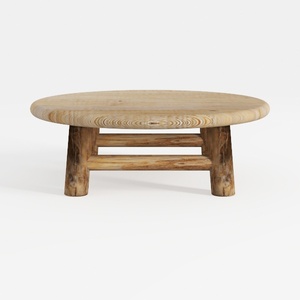

Rustic Solid Wood Round Coffee Table 3D Model

Minimalist Solid Oak Fluted TV Stand with Black Metal Legs 3D Model

Homestyler is your go-to online platform for effortless home design! With a user-friendly design tool, stunning 3D renderings, a collection of inspiring design projects, and helpful video tutorials, it empowers you to transform your space creatively and easily. Explore your design potential today!
Design Now for FREE
































