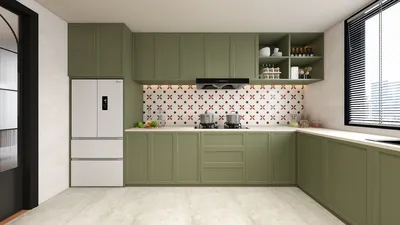


Throughout my experience, I've designed and installed an extensive number of ceiling fans for living rooms, the most effective ones achieve a harmonious blend of quiet airflow, appropriate sizing, and aesthetically pleasing finishes. A well-selected fan has the potential to reduce the perceived temperature by 4–8°F via the wind-chill effect, decrease HVAC operation time, and provide a visual anchor for the seating area without overshadowing lighting or artwork. Utilizing tools like Homestyler can assist in visualizing these elements together.
Efficiency and style go hand in hand. Research by Steelcase underscores that individual comfort and the ability to adjust environmental conditions is highly correlated with satisfaction in shared spaces, leading to enhanced productivity when individuals can fine-tune their surroundings instead of relying solely on central HVAC systems. Additionally, the WELL Building Standard v2 emphasizes the importance of thermal comfort and sound control in promoting occupant well-being, advocating for low-noise systems and adjustable airflow in living areas. For a deeper understanding of comfort and user control, refer to Steelcase’s extensive research library and WELL v2.
Initial Room Assessment: Consider Height, Layout, and Scale
The size of the room dictates the appropriate fan diameter. For smaller living rooms under approximately 144 square feet, fans ranging from 36 to 44 inches work best, while medium-sized rooms (144 to 224 square feet) accommodate 44 to 52-inch fans. Larger spaces typically need fans measuring 52 to 60 inches or may benefit from utilizing two fans. It is essential to maintain a minimum clearance of 7 feet from the floor to the fan blades; using a downrod can help achieve optimal airflow and comfort in rooms with ceilings taller than 9 feet. To effectively plan furniture placement and circulation, testing the visual focal point and seating spans in advance is crucial. Tools like Homestyler can effectively simulate sightlines and clearances.
Incorporating Style: Integrate the Fan Seamlessly
The fan should complement the color scheme and materials of your living room. In warm, organic atmospheres characterized by features like oak floors and linen upholstery, opting for matte brass or bronze finishes with wood blades can provide aesthetic coherence. For modern spaces, sleek DC-motor fans with sculpted ABS blades and muted tones (such as graphite or matte white) can allow the design to recede visually. For minimalist ceilings, a low-profile canopy paired with a compact light kit is ideal; in spaces showcasing striking pendants, a fan without a light can avoid competing for attention.
Coordination of Lighting and Fan
Properly paired lighting can eliminate glare and shadow casting from blades. Position recessed lighting strategically to stay outside of the fan's shadow area and utilize diffused sources for any integrated light kits. The Illuminating Engineering Society (IES) recommends that living room ambient brightness should be between 100 to 300 lux, increasing to 300 to 500 lux for reading tasks; using dimmable, high-CRI light sources will help preserve the color rendering while the fan is operational. Furthermore, maintaining color temperature (CCT) between 2700K and 3000K fosters a warm and inviting atmosphere while high-quality drivers mitigate flickering.
Understanding Motor Performance: DC vs AC and Noise Levels
DC motors are generally quieter and more energy-efficient than traditional AC motors, providing finer control over speed settings. When selecting fans, prioritize those with balanced blades, sealed bearings, and specified sound levels. Positioning the fan away from hard surfaces that could amplify noise, while incorporating soft rugs and upholstered furniture to enhance sound absorption, is essential. In multi-functional living rooms, pre-set fan speeds for different activities such as conversation (low), reading (medium), and cooling (high) will enhance comfort while avoiding excessive noise.
Blade Design and Airflow Management
The pitch of the blades (approximately 12 to 15 degrees) is crucial for effective air movement without creating turbulence. Curved blades are great at achieving smoother airflow in medium-sized spaces, while straighter blade profiles align well with modern decor and taller ceilings. During summer months, the fan ought to spin counterclockwise to generate a cooling downwash, while clockwise rotation in winter translates to gentle recirculation of warm air, effectively minimizing drafts and enhancing comfort across the seating area.
Ceiling Height Considerations: Flush Mounts and Downrods
For ceilings below 8 feet, a low-profile (hugger) fan is advisable to ensure appropriate clearance. Standard 8 to 9-foot ceilings typically do not necessitate more than a short downrod, while those with 10 to 12 feet ceilings benefit from rods that keep blades positioned 8 to 9 feet off the floor for optimal airflow. Vaulted ceilings will require sloped-mount hardware; thus, verifying the maximum slope tolerance is imperative to guarantee the fan's balanced performance.
Psychology of Color and Finish
Color choices significantly influence perception. According to insights from Verywell Mind, warmer tones are perceived as energetic and social, whereas cooler shades tend to evoke calmness. This should be applied judiciously: warm metallic accents (like brass and bronze) convey a welcoming ambiance in the evening, while satin nickel or matte black emanates a sleek, modern vibe. For a fan to blend with the ceiling, match the blade color to the ceiling. If you wish to create a gentle focal point, select blades that are subtly darker than the ceiling color.
Smart Control Integration: Practical and Efficient
Utilizing wall-mounted controls with specific speed settings is reliable for everyday usage. Remote controls can provide convenience, while app or voice controls offer automation capabilities for airflow adjustments, allowing for slow evening breezes or a burst of morning coolness without manual adjustments. When integrating a dimmable light kit, maintain compatibility with your dimmers to prevent flicker and motor noise.
Zoning Strategies and Multiple Fans for Spacious Living Areas
In open-plan designs, two smaller fans are often more advantageous than one larger fan, with each positioned over its respective seating area. Maintaining a consistent design in finish and blade style creates visual harmony. Utilizing layout simulation tools can help gauge spacing—typically between 8 to 10 feet between fan centers—to ensure a subtle overlap in airflow without generating disruptive drafts.
Selecting Materials with Sustainability in Mind
Prioritize responsibly sourced wooden blades or durable ABS materials that will not warp in humid environments. Energy-efficient DC motors lower energy consumption, while reversible seasonal settings facilitate year-round use. For coastal regions, choosing corrosion-resistant finishes and sealed enclosures is essential. Additionally, surfaces that are easy to clean and blade styles designed to minimize dust accumulation will assist in maintaining high indoor air quality.
Acoustic Comfort Considerations
Ceiling fans should seamlessly blend into the room's acoustic environment. Strive for smooth airflow without disruptive noise and minimize vibration at the fan mount. It’s important to consider human factors such as avoiding strobe effects from LED lights with mixed frequencies and preventing direct airflow from hitting reading chairs. Positioning the fan above the main pathway, rather than above delicate fixtures or tall plants that may sway in the breeze, is advisable.
Placement Strategy: Centered, Offset, or Layered
The majority of living rooms benefit from a centered fan above the main seating cluster. In spaces with asymmetrical designs—such as an off-center fireplace or a sectional sofa positioned towards a media wall—offsetting the fan to align with the functional core, rather than the architectural midpoint, is ideal. When coordinating with a primary pendant, layering the fan near the larger seating area will help maintain proper sightlines to artwork and television; visualizing the plan using an interior layout tool like Homestyler could be beneficial prior to finalizing the installation.
Installation Essentials I Never Overlook
Always ensure that the fan is mounted to a junction box rated for fans and confirm that the joist can support the installation. Verify that the blade sweep has a clearance of at least 18 to 24 inches away from nearby walls, beams, and tall furniture. Post-installation, balancing the blades and confirming the correct summer/winter direction is crucial. Additionally, calibrating dimming and speed settings can prevent unwanted motor noise; if the fan has an integrated light, testing for shadow effects during typical evening usage is important.
Ceiling Fan Styles: Inspiration for Your Design
A matte white fan with three sculptured blades and a compact canopy harmonizes beautifully with recessed ambient light and a soft 3000K reading lamp.
Model featuring walnut blades and a satin brass hub, with blade lengths tailored to the seating footprint to ensure a grounded look.
A ceiling fan with graphite housing, riveted accents, and an extensive blade span; ensure lighting is indirect to avoid creating harsh shadows on brick walls.
With a salt-resistant finish, bleached wooden blades, and DC motor for quieter operation at night; pair with linen shades and low-glare lighting to enhance ambiance.
Keeping Up with Maintenance and Ensuring Longevity
Regularly dusting the blades is vital for maintaining their aerodynamic efficiency. Annually re-tighten screws, check balancing, and refresh wall batteries for remote-operated systems. For light kits, utilize high-quality dimmable bulbs with reliable drivers to prevent flickering issues.
Frequently Asked Questions
For spaces measuring under 144 square feet: 36 to 44 inches; for 144 to 224 square feet: 44 to 52 inches; and for larger areas: 52 to 60 inches or multiple fans are recommended. Always ensure at least 7 feet of clearance from the ground to the blade tips.
DC motors are generally quieter, more energy-efficient, and provide better speed control compared to AC motors, though AC models can be a more budget-friendly option, they may be noisier at higher speeds.
Aim for the blade height to be approximately 8 to 9 feet from the floor. For low ceilings, consider flush mounts, and for ceilings between 9 to 12 feet, install downrods as needed. Validate slope adapters for vaulted ceilings.
Ceiling fans do not directly lower air temperature, yet the wind-chill effect can create a perceived cooler temperature of 4 to 8°F, allowing for higher thermostat settings while maintaining comfort. For optimal results, pair them with your HVAC system.
For living rooms, a color temperature of 2700K to 3000K delivers a welcoming social atmosphere. Select high-CRI lamps along with quality drivers to mitigate flickering attributed to moving blades.
Position the fan centrally above the main seating area. In expansive rooms, two fans should be spaced approximately 8 to 10 feet apart, aligning with the seating clusters to maintain even airflow.
Ensure to use a junction box specifically rated for fans, confirm that it has adequate structural support, balance the blades post-installation, and minimize vibration. The blades should maintain an 18 to 24-inch clearance from walls and beams.
Opt for ABS blades for their durability and warp resistance. Real wood offers a warm aesthetic but requires consistent humidity for maintenance. Coastal areas benefit from corrosion-resistant finishes and sealed construction.
Yes, fans operating in clockwise direction (winter mode) gently push warm air down, redistributing it without creating drafts, reducing temperature stratification and improving overall comfort.
Maintain recessed fixtures outside the fan's blade path, choose diffused lighting sources for light kits, and ensure dimmers are compatible with your motor to avoid operational noise and flicker.
Matte white, graphite, and satin black finishes frequently blend seamlessly with minimalistic ceilings, while brass or bronze accents impart warmth to contemporary or eclectic settings.
Indeed! Numerous DC fans offer app or voice control capabilities; users can program schedules for soft evening flows and daytime boosts. Ensure the controls are compatible with your dimmable lighting systems.
Built on technology originally developed at Autodesk, Homestyler empowers anyone to design beautiful, realistic spaces in minutes. Join over 18 million users who have already discovered a smarter way to plan, visualize, and bring their dream homes to life — all from the comfort of a browser.
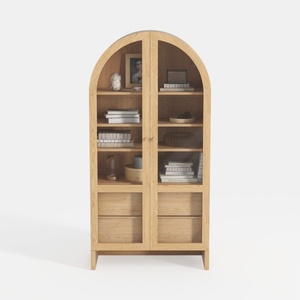
Minimalist Solid Wood Arched Display Cabinet 3D Model
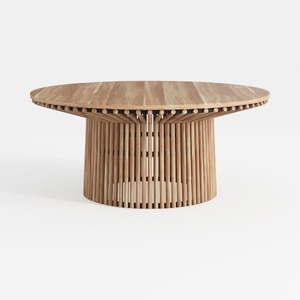

Merax Outdoor Dining Table 47.25" Round Extra
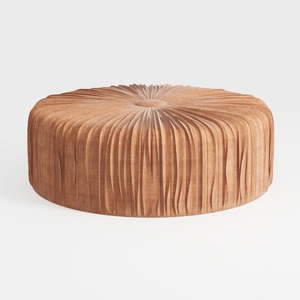
Minimalist Round Tufted Fabric Ottoman 3D Model
Homestyler is the ultimate online home design platform that empowers you to create stunning interiors. With its user-friendly design tool, rich library of 3D renderings, inspiring design projects, and informative video tutorials, you can effortlessly transform your home into a beautiful space.
Design Now for FREE
































