


Side tables serve more than just a practical purpose by providing a spot for a lamp or a coffee cup; they also help establish the atmosphere of a living room, guide movement within the space, and subtly encourage how individuals interact with their surroundings. In my designs, the best side tables harmonize scale, reach, and visual equilibrium in line with seating arrangements and lighting plans. The WELL v2 framework promotes unobstructed pathways and ergonomic reach specifications to enhance comfort and safety, while research from Herman Miller underscores that optimal reach zones (approximately 16–20 inches from a sitting position) diminish micro-strain and boost usability for everyday tasks. These considerations directly influence my selection of side tables, where height, diameter, edge softness, and placement are crucial.
The interplay of lighting and glare control plays a significant role in choosing side tables. The Illuminating Engineering Society recommends aiming for task light levels of about 300–500 lux for reading, achieved by placing lamps on side tables at or near eye level to reduce shadowing. Additionally, color psychology indicates that warm wood tones and muted shades can create a sense of calm and warmth, especially useful during evening hours when side tables are typically used for ambient and task lighting. I opt for table finishes that minimize specular glare under LED lighting, favoring matte or low-sheen surfaces that complement the seating.
Proportions, Height, and Reach
To ensure comfortable access, side tables should ideally align within 1–2 inches of the height of the adjacent seat arm. In tighter living spaces, a height of 16–18 inches is suitable for low-profile sofas, while deeper lounge chairs with high arms coordinate better with tables ranging from 22–24 inches. A diameter of 20–24 inches is perfect for tables serving single seats, and this measurement should increase to 24–28 inches when accommodating a loveseat or the corner of a sectional. Moreover, the center line of the table should remain about 12 inches from the seat edge to uphold an ergonomic reach without hindering movement.
Placement Strategy and Flow
Initial mapping of living room circulation is essential, followed by strategically positioning side tables at spots where interactions naturally occur—reading corners, casual workspaces, and conversation hubs. If you’re experimenting with varied seating configurations or clearances, utilizing a layout simulation tool can visually assist in placing items such as lamps. It is essential to maintain at least 30–36 inches for main pathways and 18–24 inches for secondary routes, ensuring that side tables enhance the space rather than obstruct it.
Material Choices: Tactility, Acoustics, and Longevity
Materials play a pivotal role in both comfort and sound management. Solid wood and cork materials absorb sound and feel warm to the touch; on the other hand, powder-coated steel is sturdy but can introduce sharper sound reflections in minimalist settings. Stone surfaces like marble or quartzite offer high scratch resistance for frequent use, while oiled hardwood develops a natural patina that integrates well with earthy living spaces. I prefer rounded edges to minimize bruising risks in constrained areas and opt for finishes that preserve color integrity under warm-white LED lights (2700–3000K).
Color Psychology and Visual Balance
Although small, side tables significantly impact the visual dynamics of a room. Utilization of earthy neutrals establishes stability in the color scheme, while muted blues and greens can temper a sunlit space. For more vibrant living environments, saturated accent colors—such as mustard, rust, or peacock—are most effective when echoed in other areas of the room (like throw pillows or artwork frames), ensuring cohesion. It’s advisable to keep high-chroma tables away from direct sightlines, particularly in rooms intended for relaxation at night, as softer hues tend to be more forgiving in dim lighting.
Primary Categories and Their Uses
These tables are perfect for versatile seating arrangements. They can be separated for guest use, combined for larger lamp bases, and adjusted to minimize glare. I particularly incorporate nesting tables beside sectional end-chaises to adapt to varying activities throughout the week.
These can easily slide under sofas and chairs, allowing their tops to be brought closer for activities like reading or light laptop work. Selecting a thin base and rounded edges enhances usability, with the table height just above the armrest to avoid wrist strain. Their design is ideal for compact areas with limited floor space.
Opting for stable, leg-free bases diminishes trip hazards and promotes a tidy look in minimalistic designs. Ventilated drum styles provide convenient cable management for lamps. I utilize solid pedestal tables to stabilize asymmetrical seating arrangements.
Tables with removable trays enhance practicality for serving meals and tidying up clutter. In households with a high volume of foot traffic, raised edges can minimize the risk of items sliding off. Pairing these tables with low-sheen finishes helps prevent glare from task lamps.
While side tables can showcase personality, managing their scale is vital. If a piece has visual weight, ensure its footprint remains compact. A simpler lamp design can provide balance, preventing visual clashes.
Lighting Integration
Side tables frequently support both task and ambient lighting. In reading areas, position the light source slightly behind and to the side of the shoulder, aligning the lower edge of the lamp shade with eye level when seated. Utilizing a color temperature of 2700–3000K facilitates relaxation in the evening, whereas 3000–3500K is more suitable for daytime clarity. I prefer lamps with dimming capabilities and diffusers to soften contrasts on dark tabletops.
Ergonomics and Human Factors
Comfort hinges on subtle movements: reaching for mugs, setting down books, adjusting devices. Avoid sharp corners near main pathways and ensure table heights allow the forearm to stay neutral when placing items. For rooms shared by multiple users, consider tables with adjustable heights or varied set pieces to cater to different seating types.
Storage and Cable Management
Incorporating integrated shelves and drawers helps manage clutter without adding unnecessary bulk. For tech-savvy households, selecting tables with grommets or concealed channels for charging cords can be beneficial. I typically route cables along the table’s shadow lines and under rugs to maintain a clean appearance and avoid tangles.
Sustainability and Durability
It’s essential to choose responsibly sourced hardwoods and low-VOC powder coatings. For tables subject to daily wear, prioritize replaceable components such as bolted bases and serviceable trays, ensuring that minor damages don’t warrant complete replacement. Natural finishes typically age more gracefully and conceal wear better than high-polish alternatives.
Solutions for Compact Spaces
In studio apartments and smaller living rooms, maximizing vertical and flexible options is crucial. Tall, slender side tables positioned next to lounge chairs save floor space, while wall-adjacent C-tables help prevent clutter. When space is tight, it’s worth verifying circulation using an interior layout planner before finalizing the table footprint.
Styling and Layering
Ensure that surfaces have a clear purpose: one source of light, a functional item, and a personal touch. Coasters and soft trays can protect finishes and help absorb sound. For sculptural tables, limit accessories to allow the design to stand out.
FAQ
Q1: What is the ideal height for a side table next to a sofa?
A1: Aim for 1–2 inches from the height of the sofa arm. For low-profile sofas, a height of 16–18 inches is suitable; for taller arms or lounge chairs, 22–24 inches provides better comfort.
Q2: What clearance should I maintain around side tables?
A2: Ensure at least 30–36 inches for main pathways and 18–24 inches for secondary routes so that tables enhance room functionality without causing obstructions.
Q3: Which materials are best suited for dynamic households?
A3: Stone surfaces and powder-coated metals are durable against scratches; oiled hardwood adjusts well, developing a natural patina. Rounded edges reduce impact risk in confined spaces.
Q4: Which lamp pairing is ideal for a side table intended for reading?
A4: Opt for a dimmable lamp with a diffuser at a color temperature of 2700–3000K, positioned slightly behind and to the side of the shoulder. Aim for task lighting levels of 300–500 lux on the reading material, per IES recommendations.
Q5: How do I select side tables for a sectional?
A5: Choose a larger table (24–28 inch diameter) for the corner where multiple seats converge, along with a nesting set for flexible placement beside chaise ends.
Q6: Are C-side tables useful in limited spaces?
A6: Absolutely. Their under-sofa design conserves floor space while bringing the surface closer for activities like reading or light laptop use, making them perfect for smaller rooms.
Q7: Which colors help create a serene living room environment in the evenings?
A7: Warm wood tones and muted neutrals minimize visual distractions under low lighting. It's best to steer clear of high-gloss finishes that may create harsh glare.
Q8: How can I effectively manage cables on side tables with lamps?
A8: Look for tables designed with grommets or covered channels for cables, route cords along shadow lines, and hide them under rugs where possible. Drum or pedestal bases often provide good concealment for wiring.
Q9: Can side tables enhance a room's acoustics?
A9: Indeed. Softer materials like wood and cork help to absorb sounds; it’s advisable to avoid large, hard-gloss surfaces in brightly lit and echo-prone areas.
Q10: What’s the safest edge profile suitable for a family space?
A10: Rounded or chamfered edges are ideal for minimizing bruising risks, particularly in spaces frequented by children moving quickly through narrow areas.
What began as an Autodesk innovation has evolved into a design platform used by more than 20+ million registered users (platform data, 2026) around the globe. Homestyler combines powerful rendering, an intuitive editor, and a vast furniture library to help you turn inspiration into photorealistic designs — whether you're redesigning a single room or planning an entire home.
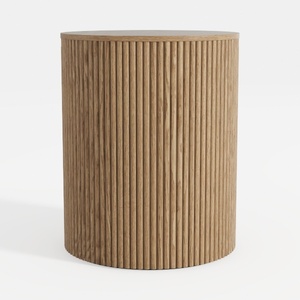
Minimalist Fluted Oak Round Side Table 3D Model


Bohemian Rattan Woven Glass Top Round Coffee Table 3D Model

Minimalist Solid Oak Storage Cabinet With Open Shelves And Drawers 3D Model
Homestyler is your go-to online design platform for transforming your home! With an easy-to-use design tool, stunning 3D renderings, diverse design projects, and helpful DIY video tutorials, you’ll effortlessly create the space of your dreams. Start designing today!
今すぐ无料でデザイン











![Design [1]](https://hs-designs.homestyler.com/production/design/images/87c3311f-b762-48e5-aa6c-2a61ff42aaa8/1731347951087/7837764.jpg?x-oss-process=image/resize,w_502,m_mfit/format,webp)








![[For dear Adelina madee 🤎]](https://hs-designs.homestyler.com/production/design/images/8a07e535-9cbc-4132-a42a-5932dac3a112/1706972286037.jpg?x-oss-process=image/resize,w_502,m_mfit/format,webp)