

I consider room shoes an essential aspect of design and a tool for daily wellness. The perfect pair should provide joint cushioning, manage indoor sounds (footfall noise really does matter), and harmonize visually with your living space. In my design projects, I focus on matching shapes, textures, and colors to the overall rhythm of the area while ensuring they offer proper arch support and slip resistance. This way, each step feels easy, quiet, and secure, making Homestyler that much more effective in enhancing style and comfort.
Comfort is not just a matter of personal preference—there’s significant data to support it. WELL v2 emphasizes the importance of musculoskeletal health through movement and ergonomics, advocating for measures that alleviate strain and promote good posture in daily life (WELL v2). Research conducted by Steelcase illustrates that comfortable, supportive environments lead to improved focus and less fatigue, principles I apply when choosing home slippers: they should distribute pressure, stabilize gait, and maintain a comfortable temperature. Verywell Mind highlights that soft shades of blue and green promote calmness, which is why I prioritize these serene tones for evening relaxation footwear (Verywell Mind).
What Makes a Great Pair of Room Shoes
For everyday wear, I seek out a supportive midsole designed with gentle arch contouring, a heel cup for added stability, and a breathable upper material. A wool blend helps maintain balanced temperature, memory foam offers softness without sacrificing form, and natural rubber outsoles provide excellent grip. The outsole pattern should feature fine, flexible designs to minimize hard sounds on floors—consider micro-siping instead of thick lugs. Interior seams ought to be flat-locked to avoid pressure points, especially if you prefer wearing them barefoot.
Ergonomics and Human Factors
Ergonomics extends beyond just office settings. A slipper featuring 10-15 mm of durable foam can lower peak plantar pressures, easing pressure on both the heel and forefoot. I steer clear of overly soft materials that can compromise ankle stability; moderate firmness helps maintain proprioception. For homes with stairs, I advocate for minimal heel-to-toe drop to diminish the risk of missteps and recommend durable rubber that performs well on polished wood. For those with high arches, a subtle built-in support is beneficial; if your arches are flat, search for wider platforms and stable midsoles rather than aggressive arch features.
Light, Color, and Evening Routines
Evening comfort is a blend of tactile and visual elements. Under warm lighting (2700–3000K), hues like beige, slate blue, and moss green appear softer and more restful. I avoid shiny materials that produce glare under task lamps; matte weaves or felt textures diffuse light and create a calming visual presence. Coordinating slipper colors with the overall room palette reduces visual distractions and subtly encourages relaxation.
Acoustic Comfort at Home
Footfall can be quite noticeable on hard surfaces. A thin rubber outsole featuring micro-textures can reduce impact noise while ensuring traction. Uppers made from felted wool or knitted fabrics can absorb ambient sounds instead of reflecting them. This consideration is particularly important for apartment living, where quiet steps are essential for respecting neighbors and maintaining a peaceful evening atmosphere.
Materials: Breathability, Care, and Sustainability
My top choice remains merino wool or recycled blends for their breathability, odor resistance, and moisture management properties. During summer months, cotton knitting with perforations or mesh zones can help keep feet cool. For eco-conscious individuals, natural rubber and water-based adhesives are ideal. Removable, washable insoles enhance shoe longevity; look for antimicrobial liners to manage those cozy micro-environments.
Fit and Safety for Different Floor Types
For tile floors, prioritize rubber outsoles with fine siping and stable sidewalls to minimize lateral slips. For wood surfaces, softer rubber is preferable to avoid scuffing—stay clear of hard plastics. On carpeted surfaces, a slightly firmer outsole can help reduce snagging and provide a smooth rollover. For those with area rugs, a beveled edge on the outsole can minimize catch points. For seniors or individuals concerned about balance, choosing a closed heel design with a moderate collar height can significantly enhance stability.
Style Integration with Interiors
I align slipper styles with the character of each room. In a contemporary living space, a monochromatic knit slipper appears clean and purposeful. In a cozy den, a felt mule accented with leather piping adds warmth and structure. Play with contrasting textures—such as smooth leather against heathered wool—to reflect your furniture and textiles. Keep slipper profiles slim near doorways to prevent scuffing the baseboards.
Seasonal Rotations and Care
I typically maintain two pairs for each individual: a breathable design for warm spells and an insulated option for colder months. Air them out after use, wash the liners monthly, and brush felted uppers to refresh the fibers. Regularly rotating pairs allows the foam to recover; this practice promotes comfort and durability.
Hygiene and Household Zones
For households that prefer a shoe-free entry, set up a small bench along with a dedicated slipper rack. Organize pairs by zones—one for the kitchen and living areas, and another for the bedroom—for an extra level of cleanliness. Households with pets might benefit from opting for closed-toe designs to minimize fur from sticking to toes.
Layout Tip: Storing Room Shoes Without Visual Clutter
Consider placing a low-profile tray or cabinet near your entries, bedrooms, and balconies. In smaller apartments, simulate the shoe placement within a floor plan before acquiring new storage solutions—an interior layout planner like Homestyler can help you balance circulation and convenience effectively. Leverage this room layout tool for optimal organization.
2024–2025 Trends I’m Embracing
• Natural fiber uppers featuring recycled materials and replaceable insoles.
• Sleek, flexible outsoles offering enhanced traction without sporty aesthetics.
• Muted, calming color schemes: dusty blue, soft olive, wheat, and clay shades.
• Quilted insides for cozy winter comfort without added bulk.
• Low-profile mules with slightly elevated collars for improved hold.
Buying Guide: Quick Checklist
• Upper material: breathable knits or felt; avoid rigid synthetics.
• Midsole: resilient foam with subtle arch contouring.
• Outsole: soft rubber, fine surface texture, and slip resistance matching your specific floors.
• Fit: closed heel for added stability; opt for mule styles only if your gait is steady.
• Care: removable liners and washable materials for easier maintenance.
• Aesthetic: ensure textures and colors align with your interiors to minimize visual distractions.
FAQ
Absolutely—gentle support enhances alignment and comfort. I prefer subtle contouring over rigid structures to maintain proprioception throughout use.
Choose merino or recycled wool for colder months, and go for cotton knit or mesh panels when it's warmer. Both options manage moisture and odors effectively.
Opt for soft rubber outsoles featuring micro-siping. Steer clear of hard plastics and overly smooth EVA bottoms. A closed heel design also boosts stability.
They can indeed—research mentioned by Verywell Mind links soft blues and greens with tranquility. In warm light, subdued tones feel particularly soothing.
Approximately 10–15 mm of resilient foam offers a balance of shock absorption and stability. Excessive softness can increase ankle wobble; conversely, too much firmness can compromise comfort.
Utilize flexible rubber outsoles combined with fine texturing and upper materials made from felt or knit. Avoid clogs with stiff bottoms as they increase impact on hard surfaces.
Not necessarily. A closed heel design combined with a moderate collar height can be safer, particularly on stairs or rugs. Prioritizing stability is crucial in such scenarios.
I keep two pairs: one for breathability and another for insulation. Rotating selections allows foam to recover and maintains hygiene standards.
Select wool blends, antimicrobial liners, and removable insoles that you can wash monthly. Airing out pairs after usage helps in preventing moisture buildup.
Supportive midsoles and stable heel cups are significant for better alignment, minimizing daily strain—this approach resonates with the WELL v2 focus on musculoskeletal comfort.
Mimic the textures and palette of your furniture. Minimalistic areas pair well with monochrome knitted footwear, while cozy surroundings benefit from understated felt mules.
Incorporate low-profile trays or cabinets at key access points, and use a room layout tool like Homestyler to visualize placement before purchasing new storage options.
Built on technology originally developed at Autodesk, Homestyler empowers anyone to design beautiful, realistic spaces in minutes. Join over 18 million users who have already discovered a smarter way to plan, visualize, and bring their dream homes to life — all from the comfort of a browser.

Modern Minimalist Dark Green Velvet Sectional Sofa 3D Model
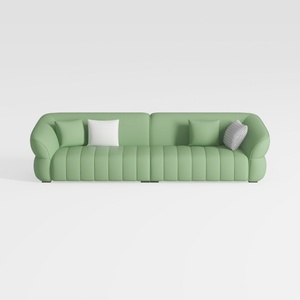

Minimalist Sage Green Fabric Channel Tufted Extra Large Sofa 3D Model

Modern Iridescent Glass Metal Round Coffee Table 3D Model
Transform your space effortlessly with Homestyler! This intuitive online design platform offers powerful tools, stunning 3D renderings, and an extensive library of design projects. You’ll also find helpful DIY video tutorials to inspire and guide you in bringing your dream home to life!
Design Now for FREE
































