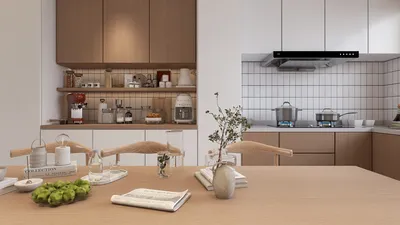


Oversized wall clocks serve more than just showing the time—they become essential design elements that establish a room's atmosphere, guide visual flow, and seamlessly integrate into daily routines. In expansive living areas where spatial dynamics, sightlines, and social interactions converge, a substantial clock can become a key focal point, enhancing the overall layout and harmonizing with dominant elements like sofas, media units, or fireplaces. When executed thoughtfully, it transforms into a piece of art that fulfills a functional purpose.
The impact of scale goes beyond aesthetic appeal; it plays a vital role in how we engage with and perceive our surroundings. Studies on interior design consistently correlate well-defined focal points and clear visual indicators with less mental strain during everyday activities. From a wellness perspective, WELL v2 emphasizes the importance of quality lighting and glare management around visual tasks, recommending illuminance levels between 150–300 lux for residential environments to mitigate visual fatigue—ensuring your clock face is properly illuminated fits perfectly within this range (consult WELL v2 guidelines at wellcertified.com). Color selections are crucial too: According to Verywell Mind, cool tones create a calmer, more spacious feel, while warm shades evoke inviting and invigorating atmospheres—apply this knowledge when choosing clock faces and frames to influence mood effectively.
Through my experiences, I've observed that a large clock can subtly enhance time awareness within family routines without cluttering the room with more devices. In living and multi-functional areas, research by Steelcase highlights the connection between visual clarity and fewer distractions leading to improved concentration; similarly, in home settings, this approach can lessen the urge to check smartphones for the time, thus minimizing attention disruptions. Thoughtful lighting, optimal viewing angles, and high-contrast numerals are small yet significant decisions contributing to everyday conveniences.
Selecting the Appropriate Size for Your Space
Proportion is key to successful integration. A helpful guideline is to choose a clock diameter that approximately measures 1/3 to 2/5 of the width of the wall area it fills. On an 8–10 ft (2.4–3 m) wall section with vertical interruptions (like windows, doors, or cabinetry), this translates to around 28–40 in (70–100 cm). For taller ceilings or larger furniture and artwork, scaling up to 48 in (120 cm) can be achieved without overwhelming the space, provided that adjacent decor remains understated.
Take into account sightlines from primary seating. Position the clock so that its center is about 60–66 in (152–168 cm) off the ground, adjusting for the height of sofa seats. In rooms boasting ceilings higher than 10 ft (3 m), slightly elevating the center helps maintain proportion. For gallery-style arrangements, treat the clock as the anchor piece and establish a consistent gap of 2–3 in (5–8 cm) from surrounding frames.
Opt for a Style Complementary to Your Architecture
- Modern minimalist: Features a slim bezel, monochromatic face, and simple numerals or markers—perfect for maintaining a clean aesthetic alongside media entities.
- Industrial chic: Incorporates open-gear designs, weathered steel, and large Roman numerals—ideal for settings with exposed brick and matte black accents.
- Classic transitional: Displays a metal ring with subdued numerals and a textured linen-inspired face for a gentle feel.
- Organic/Scandinavian: Uses light woods, rounded shapes, and muted colors to promote tranquility throughout the room.
- Artistic statement: Features sculptural shapes, asymmetry, or a blend of materials; consider it as a piece of wall art that serves a timing function.
Color, Contrast, and Easy Readability
High-contrast faces facilitate readability from a distance: pairing dark hands on a light background or vice versa works well, especially with a matte finish to lessen reflections. In a neutral palette, a single bold color on the bezel can provide a strong focal point without overwhelming the design. For serene living spaces, opt for cool neutrals (like blue-grey or soft charcoal) to create a sense of spaciousness; conversely, warm metals (such as brass or bronze) combined with terracotta accents can elevate energy levels without causing glare.
Illuminating the Clock to Eliminate Glare
Uniform, soft lighting prevents glaring spots and reflections on the clock's glass surface. Aim for ambient lighting of 150–300 lux on the wall and position luminaires away from direct reflection lines. If supplemental lighting is included, consider a 15–30° beam from adjustable track heads or recessed lights, ensuring that the center beam remains above eye level. For cozy atmospheres, select color temperatures between 2700–3000K, or 3000–3500K to maintain brightness against contemporary finishes. IES standards emphasize the necessity for adequate vertical illumination for clear visibility on faces and wall text; applying similar principles improves clock legibility (for further guidance, refer to ies.org/standards).
Strategies for Balanced Placement
- Above the console: Center the clock relative to the console width, allowing 8–12 in (20–30 cm) of space above for airiness.
- Above the mantel: Maintain a gap of 6–8 in (15–20 cm) from the edge of the mantel; ensure proper heat control to prevent material warping.
- Next to media: Position the clock beside a TV to minimize competition; choose a subtle face with slim hands to limit visual clutter.
- On stairways or expansive walls: Utilize a larger clock and consider dual lighting to mitigate harsh shadows.
Before finalizing placements, a quick layout simulation can preemptively address any potential issues with plaster. Utilizing an interior layout planner can provide visualizations of wall heights, sofa lines of sight, and mounting heights; tools like a room layout simulator can aid in picture options before installation: room layout tool.
Materials and Eco-friendliness
Seek out FSC-certified woods, powder-coated metals with low-VOC finishes, and glass or acrylic components that combine high light transmission with anti-glare enhancements. For sound quality, avoid flimsy, rattling housings and favor continuous-sweep movements to minimize ticking sounds from disturbing quiet living settings. If sound sensitivity is a concern, examine the movement specifications (look for labels like “silent sweep” or “continuous quartz”).
Human Considerations: Viewing Distance and Height
To achieve readable time from 8–15 ft (2.5–4.5 m), ensure that numerals or markers stand out, accompanied by hands that maintain a clear silhouette contrast. In open-concept layouts, consider using slightly larger minute markers, since viewers will be observing from various angles. In homes with children, securely anchor the clock at a minimum height of 60 in (152 cm) to keep it out of reach.
Harmonizing with Art and Shelving
Approach design with rhythm and the concept of negative space in mind. A sizable clock pairs beautifully with two side sconces or tall greenery; this triangular arrangement helps stabilize the visual weight on the wall. When it comes to shelving, reflect the clock’s materials—like a black metal frame—through two or three smaller accents to unify the look. Keep surrounding artwork either smaller and grouped, or incorporate one large yet understated piece to prevent visual competition.
Comfort and Movement Sound Control
In spaces with hard flooring and minimal textiles, even a soft ticking sound can resonate. Layering a rug, lined curtains, or fabric wall panels can help diminish echo effects. Choose clocks designed with sealed enclosures, damped backs, or felt pads to reduce wall vibrations. If you admire the aesthetics of open-gear models, ensure any gears are purely decorative and operate quietly.
Installation Guidelines and Safety
Utilize wall anchors appropriate for the substrate (toggle bolts for drywall where no stud is available; masonry anchors for brick). For clocks heavier than 6 lb (2.7 kg), a French cleat distributes weight and maintains proper alignment. Use painter’s tape to mark the centerline, confirm height in relation to seating, and double-check for leveling. Allow 6–8 in (15–20 cm) from adjacent door movements and 12 in (30 cm) away from drapery to avoid snags.
Care and Durability
Select high-quality quartz movements equipped with accessible battery compartments. Change alkaline batteries annually or switch to lithium for longer life and steadier function. For upkeep, dust with a microfiber cloth and avoid ammonia on lacquer or acrylic surfaces. In the case of a glass face, a matte anti-glare film can be used to retrofittingly manage glare-prone installations without needing to replace the clock entirely.
Frequently Asked Questions
For a wall segment measuring between 8–10 ft wide, a clock with a diameter of 28–40 in usually achieves a pleasing balance. If there are other large elements on the wall, lean toward the higher end; if it’s a narrow bay, stay closer to 28–32 in.
Position the center at 60–66 in above the floor, then modify as needed for seating sightlines. In rooms with ceilings exceeding 10 ft, a slight elevation helps maintain visual harmony.
Provide gentle, even ambient light around 150–300 lux and angle any accent lighting 15–30° from above. Matte finishes or anti-glare glass are beneficial, and avoiding direct lines of sight with windows reduces the potential for reflections.
Aim for minimalist designs featuring slim bezels and uncomplicated markers. Ensure high contrast for readability, while avoiding overly intricate numerals that clash with surrounding screens.
Opt for “silent sweep” mechanisms and robust housings. Incorporate soft furnishings in the room—such as rugs and curtains—to absorb residual ticking or vibrations.
Always try to secure to a stud; alternatively, use rated toggle anchors or a French cleat. Assess the clock’s weight and select fitting hardware that exceeds the safety threshold.
Cool shades convey a sense of calmness and expansiveness; warm colors impart a welcoming and invigorating ambiance, a concept supported by color psychology literature. Align your choices with the intended mood of your living room.
Absolutely—consider it as the focal point, then maintain a 2–3 in gap around it, using lighter or smaller frames nearby to preserve visual clarity.
Edge backlighting can provide an elegant touch if diffused correctly, but ensure there are no bothersome glows. A gentle wall wash from above is often more manageable and forgiving in terms of maintenance.
Powder-coated metal frames resist scratches; tempered glass is safer compared to standard glass; solid wood or high-grade veneer develops a pleasing patina over time. Focus on low-VOC finishes for better indoor air quality.
Simulate the layout with painter’s tape or cardboard at full size, then visualize using a layout simulation tool to check height, sightlines, and balance: interior layout planner.
Emphasize high-contrast faces featuring bold hands and low gloss. If needed, add a dimmable sconce or track head directed off-axis to enhance vertical lighting levels.


Homestyler is your go-to online platform for home design! With its user-friendly design tool, stunning 3D renderings, and a wealth of design projects and video tutorials, you can effortlessly create your dream space, making home design easy and enjoyable for everyone!
Design Now for FREE
































