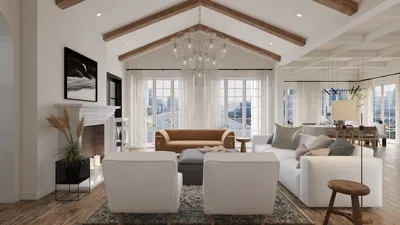


When selecting pots for my home, I prioritize proportion first, followed by materials, while always maintaining an eye on the overall mood. A strategically placed planter can serve as a focal point for seating arrangements, soften harsh corners, and inject a sense of liveliness. More than just a visual element, indoor plants and their chosen containers can impact acoustics, airflow, and overall movement within a space. In my designs, the most effective pots seamlessly blend into the living room's visual flow and scale.
There is substantial evidence supporting the inclusion of greenery in communal environments. According to Gensler’s Workplace Survey, access to natural elements and daylight significantly enhances perceived workplace effectiveness—a trend I also observe at home, where biophilic indicators lessen stress and elevate well-being. When it comes to lighting, adhering to basic IES guidelines for ambient illumination between 150–300 lux allows foliage to maintain its true colors without causing glare. For additional well-being measures, the WELL v2 Biophilia strategies recognize the advantages of integrating natural elements and visual connections within spaces. To explore these standards further, visit the WELL Building Standard at WELL v2.
In establishing a pot strategy, I begin with the spatial ratios: the height of the container should ideally be about one-third to one-half of the plant's height to achieve visual stability. For instance, a large ficus looks proportionate in a pot that stands 24–30 inches tall, rather than using a lower bowl; similarly, a trailing pothos thrives in a wide, shallow planter with a clean edge. The significance of color psychology cannot be overstated—Verywell Mind indicates that green hues symbolize balance and tranquility, neutral tones convey composure, while warmer shades enhance energy without overwhelming the senses. I often combine soft gray or sandy pots with lush greenery for a serene vibe; for spaces that require a boost, terracotta or brass options add warmth to the color scheme.
Choosing the Ideal Pot Material
The material selections influence weight, maintenance, and overall ambiance. Depending on the context, I gravitate towards specific archetypes:
Proportion, Scale, and Sightlines
Scale is often where living rooms can falter in design. For seating, average heights fall between 17–19 inches, while coffee tables typically range from 15–18 inches in height. When a pot fits within these dimensions, it feels more like furniture, blending harmoniously into the overall composition. For tall plants such as the fiddle-leaf fig, a pot measuring 12–16 inches in diameter with a height of 20–30 inches stabilizes the stems visually. It's important to maintain clearances of 18–24 inches for circulation paths and avoid blocking window view lines at eye level to preserve sightlines.
While evaluating potential placements—whether behind a lounge chair, adjacent to a media console, or softening a column—I utilize a straightforward layout tool to visualize pot sizes and sightlines, ensuring that the arrangement facilitates traffic flow and light distribution.
Color Psychology for Pots
Pots are far from neutral accessories. Their color choices can influence both mood and focal points. In spaces that lean cool (think grays and blues), incorporating terracotta or muted ochre introduces warmth and balances a clinical atmosphere. Conversely, for vibrant rooms with bold textiles, I lean towards soft neutral shades—such as stone, dove, or ecru—to prevent the plants from becoming overwhelming visual elements. According to well-known principles of color psychology, green tones resonate with harmony and renewal; pairing deep green foliage with charcoal or sandy pots enhances overall stability. A singular, statement pot—perhaps in teal or rust—should serve as a focal accent rather than being replicated.
Light, Glare, and Plant Vitality
Light plays a crucial role in both the health of plants and the presentation of pots. I maintain ambient lighting within the range of 150–300 lux for living areas, layering warmth using fixtures rated 2700–3000K. To minimize glare on glossy ceramics, I position accent lighting to highlight textures without causing harsh reflections. For optimal plant health, providing indirect light from east or north-facing windows is ideal; sheer curtains can help diffuse strong southern exposure. In dimly lit corners where greenery is needed, I recommend selecting low-light tolerant plants paired with matte or textured pots that won’t reflect limited light unevenly.
Acoustics and Movement
Pots have a surprising impact on sound and circulation within spaces. Larger porous materials like terracotta and textured concrete can slightly diffuse high-frequency sounds, assisting in reducing echo in rooms with hard surfaces. In compact layouts, it’s wise to keep heavy floor pots out of primary pathways; instead, framing seating areas with mid-height containers can subtly guide movement and delineate conversation spaces.
Sustainability and Care
Durability ensures that both the pot and plant remain out of the waste cycle. I often opt for inert, long-lasting materials and liners that inhibit soil contact with the exterior. Opting for breathable substrates for arid species while utilizing closed liners for tropical plants is advisable. Employing felt pads under heavier pots can safeguard floors and enhance airflow. Water with caution: overwatering is often a design issue rather than merely a horticultural one—planters lacking drainage should contain a layered base (such as LECA or gravel) and a moisture meter for monitoring saturation levels.
Effective Placement Strategies
A classic trio for emphasis: one tall feature in a sculptural pot serves as an anchor, a medium-sized planter adds balance near the sofa arm, and a low bowl on the coffee table introduces intimacy. In asymmetrical layouts, I counterbalance larger pots with wall art or a tall floor lamp, rather than replicating another planter. Corners close to windows are prime spots for vertical plants, while wider planters thrive by credenzas or under windowsills to reflect horizontal design lines.
Texture, Pattern, and Visual Rhythm
Texture stimulates visual interest. If your upholstery features smooth materials such as linen or leather, consider introducing ribbed ceramics or subtly fluted concrete. Patterned pots can quickly make a room feel cluttered; I recommend limiting patterns to a single statement piece with the rest being solid. Strive for a 60/30/10 ratio: 60% neutral pots, 30% warm mid-tones, and 10% accent colors to maintain visual cohesion across the living space.
Using tall, narrow pots helps draw the eye upward while conserving floor space. Wall-mounted planters can help clear pathways, bringing greenery into sightlines without bulk. In spaces with limited daylight, reflective yet matte finishes can help avoid glare while enhancing the perception of brightness.
Stability must always be a priority. Opt for wide bases and add internal weights as necessary; avoid combinations that are top-heavy. Non-porous liners can contain soil and prevent overflows. Keep thorny or irritating plant species out of reach; using stand-mounted pots with built-in trays aids in safe watering practices.
Frequently Asked Questions
Q1: What is the ideal pot size for tall indoor plants?
A: Aim for a pot diameter that is one-third to one-half of the canopy width, and a height that brings the total plant-to-pot ratio close to 2:1. For instance, a 6-foot fiddle-leaf fig should be paired with a pot measuring 12–16 inches in diameter and 20–30 inches tall to support mass and root stability.
Q2: Which performs better under living room lighting, matte or glossy pots?
A: Matte or satin finishes help reduce glare while ensuring consistent color under ambient light levels of 150–300 lux. Glossy ceramics may also be effective if accent lighting is directed to graze, rather than spotlight the surface.
Q3: How can I prevent overwatering in decorative pots lacking drainage?
A: Establish a drainage layer using LECA or gravel, incorporate a liner, and monitor moisture levels using a meter. Water gradually, halting the process when the substrate indicates optimal moisture for your plant's needs.
Q4: What are the most sustainable materials for indoor planters?
A: Durable materials that can be repaired—such as ceramics, fiberglass composites, and sealed terracotta—provide longevity. Pair them with reusable liners and protective floor pads to minimize replacement needs.
Q5: How should I anchor a large pot within the living room?
A: Position a tall planter near a natural focal point, like next to a media console or beside a window, while ensuring 18–24 inches of clearance from walkways. Utilize an interior layout planner to test placements before finalizing.
Q6: What pot colors work well with a cool-toned living room?
A: Warm neutrals, such as sand, taupe, or terracotta, balance out cool grays and blues effectively. Utilizing a single accent color on one statement pot can help avoid visual clutter.
Q7: Can pots affect acoustics?
A: Textured, porous pots can slightly diffuse high-frequency sounds, and large foliage aids in softening acoustics. Although they are not a substitute for acoustic panels, they contribute to a quieter atmosphere.
Q8: How can I ensure safety with heavy floor pots in homes with children?
A: Select wide bases, incorporate internal weights, utilize felt pads to protect floors, and position tall plants away from main circulation routes. Stand-mounted pots with trays can facilitate controlled watering practices.
Q9: What lighting considerations exist for plants in living rooms?
A: Maintain ambient light levels between 150–300 lux and use 2700–3000K lamps for a warm ambiance. Avoid direct lighting on glossy pots, and opt for sheer curtains to soften intense sunlight.
Q10: How can I effectively combine multiple pots without creating clutter?
A: Limit bold patterns to one feature piece, harmonize finishes across various sizes, and adhere to a 60/30/10 color distribution. Adjusting heights can create visual rhythm while preserving clear sightlines.




Homestyler is your go-to online platform for home design, offering an intuitive design tool that allows you to create stunning spaces effortlessly. With impressive 3D rendering, a wealth of design projects, and helpful DIY video tutorials, transforming your home has never been easier!
Design Now for FREE
































